
Passive income is a financial concept that refers to earnings derived from ventures in which an individual is not actively involved on a day-to-day basis. This type of income can come from various sources, but one of the most popular avenues is real estate, particularly rental properties. The allure of passive income lies in its potential to generate revenue with minimal ongoing effort, allowing individuals to focus on other pursuits or enjoy their leisure time.
Rental properties, when managed effectively, can provide a steady stream of income that can significantly enhance one’s financial stability and wealth over time. Investing in rental properties involves purchasing real estate with the intention of leasing it out to tenants. This investment strategy can yield substantial returns, especially in markets where property values are appreciating.

The income generated from rent can cover mortgage payments, property taxes, maintenance costs, and other expenses, while also providing a profit margin. Moreover, rental properties can appreciate in value over time, offering investors the dual benefit of cash flow and capital gains. Understanding the dynamics of passive income through rental properties is crucial for anyone looking to build a sustainable financial future.
Key Takeaways
- Passive income from rental properties requires understanding investment basics and property management.
- Choosing the right rental property involves market research and evaluating potential returns.
- Effective management, including tenant screening and property maintenance, is key to sustaining income.
- Calculating potential income helps assess profitability and guides financial planning.
- Legal, financial, and marketing strategies are essential for scaling and diversifying rental portfolios.
Finding the Right Rental Property

Identifying the right rental property is a critical step in establishing a successful passive income stream. The location of the property plays a pivotal role in its potential profitability. Areas with strong job growth, good schools, and low crime rates tend to attract tenants more readily.
For instance, urban centers or suburban neighborhoods that are experiencing revitalization often see increased demand for rental units. Conducting thorough market research is essential; this includes analyzing local rental rates, vacancy rates, and demographic trends to ensure that the chosen location aligns with your investment goals. In addition to location, the type of property is equally important.
Investors must decide whether to invest in single-family homes, multi-family units, or commercial properties. Each type has its own set of advantages and challenges. Single-family homes may attract long-term tenants and require less management, while multi-family units can provide multiple streams of income from a single location but may involve more intensive management efforts.
Commercial properties can yield higher returns but often come with longer vacancy periods and more complex lease agreements. Evaluating personal investment goals, risk tolerance, and management capabilities will help in selecting the most suitable property type.
Managing Rental Properties for Passive Income
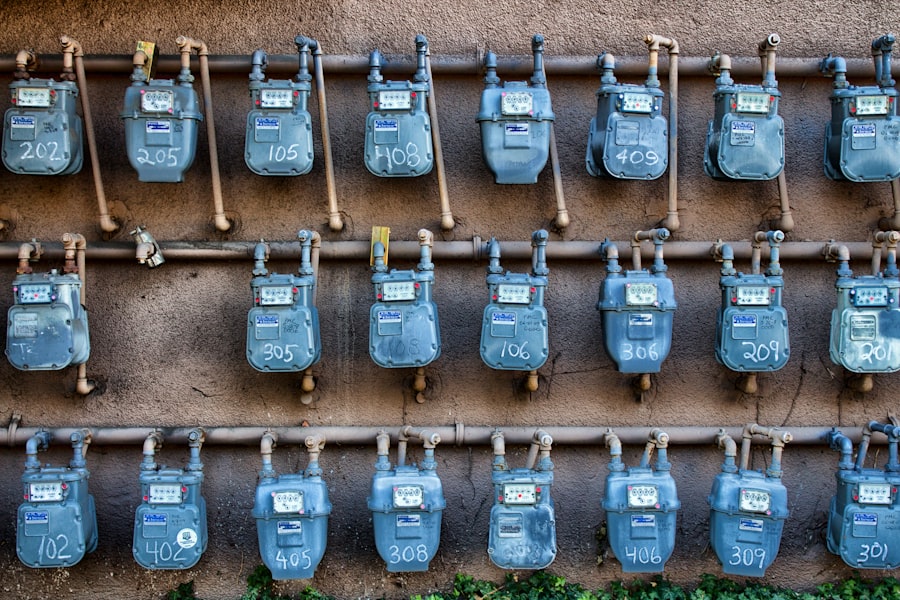
Effective management of rental properties is essential for maximizing passive income. While the goal is to create a hands-off investment, some level of involvement is necessary to ensure that the property remains profitable. This includes regular communication with tenants, timely maintenance of the property, and adherence to local landlord-tenant laws.
Many investors choose to hire property management companies to handle these responsibilities, which can alleviate the burden of day-to-day operations while still allowing for passive income generation. A well-managed rental property not only retains tenants but also attracts new ones. This involves creating a positive living environment through prompt maintenance responses and clear communication regarding lease terms and expectations.
Additionally, implementing technology solutions such as online rent payment systems can streamline operations and enhance tenant satisfaction. By fostering a good relationship with tenants and maintaining the property’s condition, landlords can reduce turnover rates and ensure a consistent flow of rental income.
Calculating Potential Passive Income from Rental Properties
Calculating potential passive income from rental properties requires a comprehensive understanding of both income and expenses associated with the investment. The primary source of income is the rent collected from tenants; however, it is crucial to account for potential vacancies and fluctuations in rental rates over time. A conservative approach would involve estimating an occupancy rate based on local market conditions to project realistic income figures.
On the expense side, landlords must consider mortgage payments, property taxes, insurance, maintenance costs, and property management fees if applicable. A common formula used by real estate investors is the “50% rule,” which suggests that approximately 50% of gross rental income will go towards operating expenses. By subtracting total expenses from total income, investors can determine their net operating income (NOI), which serves as a key indicator of profitability.
Understanding these calculations not only helps in assessing current investments but also aids in making informed decisions about future acquisitions.
Legal and Financial Considerations for Rental Properties
| Metric | Description | Example Value | Notes |
|---|---|---|---|
| Monthly Rental Income | Gross income received from tenants each month | 1500 | Before expenses and taxes |
| Occupancy Rate | Percentage of time the property is rented out | 95% | Higher rates indicate better income stability |
| Operating Expenses | Monthly costs including maintenance, property management, taxes | 400 | Includes insurance and utilities if landlord pays |
| Net Operating Income (NOI) | Income after operating expenses but before debt service | 1100 | Calculated as Rental Income minus Operating Expenses |
| Mortgage Payment | Monthly loan payment for the property | 700 | Principal and interest only |
| Cash Flow | Net income after all expenses including mortgage | 400 | Positive cash flow indicates profit |
| Capitalization Rate (Cap Rate) | Annual NOI divided by property value | 7% | Used to estimate return on investment |
| Return on Investment (ROI) | Annual cash flow divided by total cash invested | 10% | Measures profitability of the investment |
| Appreciation Rate | Annual increase in property value | 3% | Can add to overall returns |
Navigating the legal landscape surrounding rental properties is paramount for any investor aiming to generate passive income. Landlord-tenant laws vary significantly by jurisdiction and encompass various aspects such as lease agreements, security deposits, eviction processes, and tenant rights. Familiarizing oneself with these regulations is essential to avoid legal pitfalls that could jeopardize both the investment and the landlord’s reputation.
Financial considerations also play a crucial role in rental property investments. Investors should be aware of financing options available for purchasing properties, including conventional loans, FHA loans, or even cash purchases. Each option has its own implications for cash flow and return on investment (ROI).
Additionally, understanding tax implications related to rental income is vital; landlords may be eligible for various deductions such as depreciation, repairs, and property management fees. Consulting with financial advisors or tax professionals can provide valuable insights into optimizing financial strategies related to rental properties.
Marketing and Tenant Screening for Rental Properties

Effective marketing strategies are essential for attracting quality tenants to rental properties. In today’s digital age, online platforms such as Zillow, Craigslist, and social media play a significant role in reaching potential renters. High-quality photographs and detailed descriptions highlighting the property’s features can make a substantial difference in attracting interest.
Additionally, utilizing virtual tours or video walkthroughs can enhance engagement and provide prospective tenants with a comprehensive view of the property. Once interest has been generated, thorough tenant screening becomes critical in ensuring reliable occupancy. This process typically includes background checks, credit checks, employment verification, and references from previous landlords.
A well-structured application process not only helps identify responsible tenants but also protects the landlord’s investment by minimizing risks associated with late payments or property damage. Establishing clear criteria for tenant selection can streamline this process and ensure consistency in decision-making.
Maintaining and Upgrading Rental Properties for Passive Income
The maintenance and upgrading of rental properties are vital components in sustaining passive income over time. Regular maintenance ensures that the property remains in good condition, which not only satisfies current tenants but also preserves its value for future occupants. Routine inspections can help identify potential issues before they escalate into costly repairs.
For instance, addressing plumbing issues promptly can prevent water damage that could lead to significant expenses down the line. Upgrading rental properties can also enhance their appeal and justify higher rent prices. Simple improvements such as fresh paint, modern appliances, or energy-efficient fixtures can attract higher-quality tenants willing to pay a premium for enhanced living conditions.
Additionally, investing in smart home technology—such as smart thermostats or security systems—can make properties more attractive to tech-savvy renters while potentially reducing utility costs for both landlords and tenants.
Scaling and Diversifying Your Rental Property Portfolio
Once an investor has established a successful rental property operation, scaling and diversifying the portfolio becomes an attractive next step. Scaling involves acquiring additional properties to increase overall cash flow and reduce reliance on any single asset. This can be achieved through various strategies such as leveraging equity from existing properties or exploring partnerships with other investors.
Diversification is equally important; it mitigates risk by spreading investments across different types of properties or geographical locations. For example, an investor might consider adding multi-family units in urban areas while also investing in vacation rentals in tourist destinations. This approach not only balances potential risks associated with market fluctuations but also opens up new revenue streams that can enhance overall profitability.
By strategically scaling and diversifying their portfolio, investors can create a robust passive income system that stands resilient against economic uncertainties.