
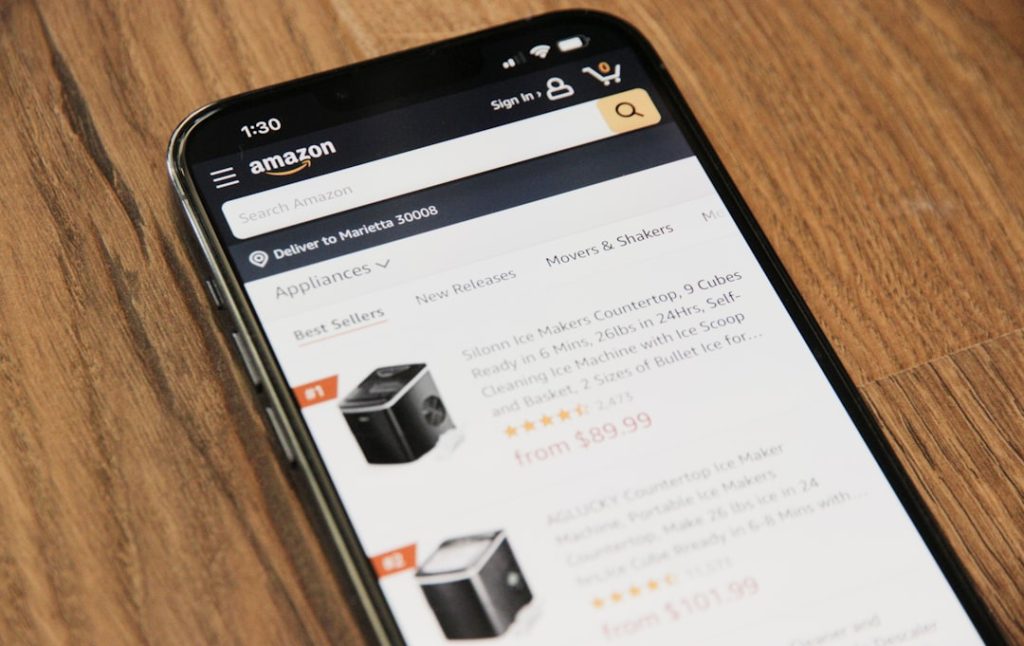
Amazon Seller Central is a powerful platform that allows individuals and businesses to sell products directly to consumers through Amazon’s vast marketplace. However, navigating the fee structure can be daunting for new sellers. The fees associated with selling on Amazon can be categorized into several types, including subscription fees, referral fees, and fulfillment fees.
The subscription fee is a monthly charge that sellers incur for using the platform. There are two types of accounts: Individual and Professional. Individual accounts do not have a monthly fee but incur a per-item fee for each sale, while Professional accounts charge a flat monthly fee but do not have per-item fees.

Referral fees are another significant component of Amazon’s fee structure. These fees are charged as a percentage of the total sales price of each item sold and vary by category. For instance, selling electronics may incur a different referral fee compared to selling clothing or books.
Additionally, fulfillment fees apply if sellers choose to use Amazon’s Fulfillment by Amazon (FBA) service, which handles storage, packing, and shipping of products. Understanding these fees is crucial for sellers to accurately assess their potential profits and make informed decisions about their pricing strategies.
Key Takeaways
- Amazon Seller Central fees include referral, fulfillment, and subscription costs that impact overall expenses.
- Accurately calculating all selling costs is essential for pricing products competitively and maintaining profitability.
- Additional expenses such as advertising, storage, and returns should be factored into the total cost of selling.
- Implementing cost-saving strategies like optimizing inventory and leveraging promotions can reduce fees and increase margins.
- Comparing fees across e-commerce platforms helps sellers choose the most cost-effective marketplace for their business.

Calculating the Cost of Selling on Amazon
To effectively calculate the cost of selling on Amazon, sellers must consider all applicable fees and expenses associated with their products. This begins with determining the selling price of the product, which should include not only the cost of goods sold (COGS) but also the various fees incurred through Amazon Seller Central. For example, if a seller lists a product for $30, they must account for the referral fee, which might be 15% for that category, resulting in a $4.50 deduction from the sale price.
This calculation is essential for understanding how much revenue will actually be retained after fees. Moreover, sellers should also factor in shipping costs if they are not using FBIf a seller ships products themselves, they need to consider packaging materials, postage, and any potential returns. For instance, if shipping costs amount to $5 per item, this further reduces the net revenue from the sale.
By meticulously calculating these costs, sellers can gain a clearer picture of their profit margins and adjust their pricing strategies accordingly to ensure profitability.
Additional Expenses to Consider as an Amazon Seller

Beyond the primary fees associated with Amazon Seller Central, there are several additional expenses that sellers must consider when operating their businesses. One significant expense is inventory management. Sellers need to invest in inventory that meets demand while avoiding overstocking, which can lead to increased storage fees if using FBAdditionally, there are costs associated with sourcing products, whether through wholesale suppliers or manufacturers.
These costs can vary widely depending on the product type and sourcing strategy. Marketing and advertising expenses also play a crucial role in an Amazon seller’s overall budget. To stand out in a crowded marketplace, many sellers invest in Amazon Advertising services such as Sponsored Products or Sponsored Brands.
These advertising campaigns can significantly increase visibility but also add to the overall cost of selling on Amazon. For example, if a seller allocates $200 per month for advertising but only sees a modest increase in sales, they must evaluate whether this investment is yielding a satisfactory return or if adjustments are necessary.
Tips for Minimizing Amazon Seller Central Costs
Minimizing costs on Amazon Seller Central requires strategic planning and careful management of resources. One effective approach is to optimize product listings to improve organic search visibility. By utilizing relevant keywords in product titles and descriptions, sellers can enhance their chances of appearing in search results without relying solely on paid advertising.
This organic visibility can lead to increased sales without incurring additional advertising costs. Another strategy involves regularly reviewing and adjusting pricing based on market trends and competitor analysis. Sellers can use tools like Amazon’s pricing dashboard or third-party software to monitor competitors’ prices and adjust their own accordingly.
This proactive approach can help maintain competitiveness while ensuring that profit margins remain intact. Additionally, sellers should consider bulk purchasing or negotiating better terms with suppliers to reduce COGS, thereby increasing overall profitability.
Comparing Amazon Seller Central Fees to Other E-commerce Platforms
| Cost Type | Description | Typical Range | Notes |
|---|---|---|---|
| Subscription Fee | Monthly fee for Professional Seller account | 39.99 per month | Waived for Individual Seller accounts |
| Referral Fees | Percentage of each sale paid to Amazon | 6% – 45% depending on category | Most categories around 15% |
| Fulfillment Fees (FBA) | Cost for Amazon to pick, pack, and ship products | 2.50 – 5.00 per unit | Varies by size and weight |
| Storage Fees (FBA) | Monthly fee for storing inventory in Amazon warehouses | 0.75 – 2.40 per cubic foot | Higher rates during holiday season |
| Advertising Costs | Pay-per-click ads to promote listings | Varies widely | Depends on keywords and competition |
| Refund Administration Fee | Fee charged when a customer is refunded | 20% of referral fee | Only applies if refund is processed |
When evaluating the cost-effectiveness of selling on Amazon Seller Central, it is essential to compare its fee structure with other e-commerce platforms such as eBay, Shopify, or Etsy. Each platform has its unique fee structure and selling environment that can significantly impact a seller’s bottom line. For instance, eBay charges listing fees and final value fees based on the sale price but does not have a monthly subscription fee for individual sellers.
This can be advantageous for those who sell infrequently or have lower sales volumes. On the other hand, Shopify operates on a subscription model where sellers pay a monthly fee plus transaction fees based on their chosen payment gateway. While Shopify offers more customization options and control over branding, it may not provide the same level of built-in traffic that Amazon does.
Sellers must weigh these factors carefully when deciding where to invest their time and resources. Ultimately, the choice between platforms will depend on individual business goals, product types, and target audiences.
Budgeting for Amazon Seller Central Expenses

Creating a comprehensive budget for Amazon Seller Central expenses is vital for maintaining financial health as an online seller. A well-structured budget should include all anticipated costs such as subscription fees, referral fees, fulfillment fees, shipping costs, inventory purchases, marketing expenses, and any additional overheads like software tools or professional services. By categorizing these expenses and estimating their amounts based on historical data or market research, sellers can create a realistic financial plan.
Moreover, it is beneficial to set aside a contingency fund within the budget to account for unexpected expenses or fluctuations in sales volume. For example, if a seller experiences an increase in demand during peak seasons like holidays or back-to-school periods, they may need to invest more in inventory or marketing efforts to capitalize on this opportunity. Having a contingency fund allows sellers to respond quickly without jeopardizing their overall financial stability.
The Impact of Amazon Seller Central Fees on Profit Margins
The various fees associated with Amazon Seller Central can significantly impact profit margins for sellers. Understanding how these fees affect overall profitability is crucial for making informed business decisions. For instance, if a seller has a product with a retail price of $50 and incurs $10 in total fees (including referral and fulfillment), their gross profit would be $40 before considering other expenses like COGS and marketing costs.
As competition increases within the marketplace, many sellers may feel pressured to lower prices to attract buyers. However, this can lead to thinner profit margins if not managed carefully. Sellers must strike a balance between competitive pricing and maintaining healthy profit margins by closely monitoring their costs and adjusting their strategies accordingly.
Regularly analyzing profit margins can help identify which products are performing well and which may need reevaluation or discontinuation.
Strategies for Maximizing ROI on Amazon Seller Central
Maximizing return on investment (ROI) on Amazon Seller Central involves implementing various strategies that enhance profitability while minimizing costs. One effective strategy is leveraging data analytics tools to gain insights into customer behavior and sales trends. By analyzing metrics such as conversion rates, click-through rates on ads, and customer reviews, sellers can make data-driven decisions that optimize their product offerings and marketing efforts.
Additionally, diversifying product lines can help mitigate risks associated with fluctuating demand for specific items. By offering complementary products or exploring new niches within their market segment, sellers can create additional revenue streams that contribute positively to overall ROI. Furthermore, engaging with customers through excellent service and follow-up communications can foster brand loyalty and encourage repeat purchases—an essential factor in long-term success on the platform.
In conclusion, navigating the complexities of selling on Amazon Seller Central requires careful consideration of various fees and expenses while implementing strategies that maximize profitability. By understanding the fee structure, calculating costs accurately, budgeting effectively, and employing data-driven strategies for growth, sellers can thrive in one of the largest e-commerce marketplaces in the world.


