

Amazon liquidation refers to the process through which unsold or returned inventory is sold off at a discounted price, often in bulk. This practice is essential for maintaining the efficiency of Amazon’s vast supply chain and inventory management system. When products do not sell within a certain timeframe or are returned by customers, they can accumulate in warehouses, leading to increased storage costs and potential losses.
To mitigate these issues, Amazon offers liquidation options that allow sellers and retailers to offload excess inventory quickly and efficiently. This not only helps Amazon clear out its warehouses but also provides opportunities for other businesses to acquire products at significantly reduced prices. The liquidation process on Amazon can involve various types of products, ranging from electronics and home goods to clothing and seasonal items.

These products may be in new condition, open-box, or even slightly damaged. Understanding the nuances of Amazon liquidation is crucial for businesses looking to capitalize on these opportunities. For instance, some sellers may choose to purchase liquidation pallets, which are bulk lots of returned or unsold items that can be resold individually for a profit.
Others may focus on specific categories or brands that align with their existing inventory or market niche. By grasping the fundamentals of Amazon liquidation, businesses can make informed decisions that enhance their profitability and operational efficiency.
Key Takeaways
- Amazon liquidation involves selling excess or returned inventory through various channels to recover value.
- Choosing the right liquidation strategy depends on product type, condition, and market demand.
- Amazon offers specialized liquidation services and auctions to help sellers efficiently offload inventory.
- Effective inventory management and marketing can significantly increase profits from liquidation sales.
- Staying adaptable to market changes and streamlining processes ensures ongoing success in liquidation efforts.

Finding the Right Liquidation Strategy
Developing a successful liquidation strategy requires careful consideration of various factors, including target market, product selection, and pricing strategy. One effective approach is to conduct thorough market research to identify trending products and consumer preferences. By analyzing sales data, customer reviews, and competitor offerings, businesses can pinpoint which items are likely to yield the highest return on investment when purchased through liquidation channels.
For example, if a particular electronic gadget is gaining popularity, acquiring liquidation stock of that item could lead to substantial profits when resold. Another critical aspect of a successful liquidation strategy is determining the right pricing model. Businesses must strike a balance between competitive pricing and profitability.
Setting prices too low may lead to losses, while pricing too high could deter potential buyers. Utilizing tools such as dynamic pricing algorithms can help sellers adjust their prices based on market demand and competition. Additionally, offering bundle deals or discounts for bulk purchases can attract more customers and increase sales volume.
By carefully crafting a liquidation strategy that aligns with market trends and consumer behavior, businesses can optimize their chances of success in the competitive landscape of Amazon liquidation.
Leveraging Amazon’s Liquidation Services

Amazon provides several services designed to facilitate the liquidation process for sellers and retailers. One of the most notable is the Amazon Liquidation Auctions platform, where sellers can bid on lots of returned or excess inventory. This platform allows businesses to access a wide range of products at competitive prices, enabling them to stock their shelves with items that are in demand.
By participating in these auctions, sellers can acquire inventory that they may not have been able to source through traditional wholesale channels. In addition to auctions, Amazon also offers a program called Fulfillment by Amazon (FBA), which allows sellers to store their products in Amazon’s warehouses while leveraging its logistics network for shipping and customer service. This service can be particularly beneficial for businesses dealing with liquidation inventory, as it simplifies the fulfillment process and enhances visibility among potential buyers.
Sellers can take advantage of Amazon’s extensive customer base and marketing tools to promote their liquidation products effectively. By leveraging these services, businesses can streamline their operations and maximize their reach in the competitive e-commerce landscape.
Maximizing Profit with Inventory Management
Effective inventory management is crucial for maximizing profits in the liquidation business. Businesses must maintain a delicate balance between having enough stock to meet customer demand while avoiding overstock situations that can lead to additional costs. Implementing an inventory management system that tracks sales trends, stock levels, and reorder points can help sellers make informed decisions about when to restock or liquidate excess inventory.
Utilizing data analytics tools can further enhance inventory management efforts. By analyzing historical sales data, businesses can identify patterns in consumer behavior and adjust their purchasing strategies accordingly. For instance, if certain products consistently sell well during specific seasons or events, sellers can plan their liquidation purchases around those trends to ensure they have adequate stock on hand.
Additionally, employing just-in-time inventory practices can minimize storage costs and reduce the risk of holding onto unsold items for extended periods. By prioritizing effective inventory management strategies, businesses can significantly improve their profitability in the Amazon liquidation space.
Utilizing Amazon Liquidation Auctions
| Metric | Description | Typical Range | Notes |
|---|---|---|---|
| Average Discount Rate | Percentage off retail price for liquidation items | 30% – 70% | Varies by product category and condition |
| Common Product Categories | Types of products frequently found in Amazon liquidation | Electronics, Home Goods, Apparel, Toys | Electronics often have higher resale value |
| Condition of Items | Typical state of liquidation inventory | New, Open Box, Used, Damaged | Condition affects pricing and resale potential |
| Average Lot Size | Number of units per liquidation lot | 10 – 500 units | Depends on supplier and product type |
| Return Rate | Percentage of items returned by customers | 5% – 15% | Higher return rates can affect liquidation volume |
| Typical Buyer Types | Common buyers of Amazon liquidation inventory | Resellers, Small Businesses, Liquidators | Buyers often seek bulk purchases for resale |
| Average Resale Margin | Profit margin after reselling liquidation items | 10% – 40% | Depends on product condition and market demand |
Amazon Liquidation Auctions provide a unique opportunity for businesses to acquire inventory at significantly reduced prices. These auctions feature a wide variety of products, including electronics, home goods, apparel, and more, allowing sellers to diversify their offerings without incurring substantial upfront costs. Participating in these auctions requires a strategic approach; businesses must carefully evaluate the lots available and assess their potential resale value before placing bids.
One effective strategy for navigating Amazon Liquidation Auctions is to set a budget and stick to it. Bidding can become competitive, and it’s easy to get caught up in the excitement of the auction process. By establishing a clear budget beforehand, sellers can avoid overspending and ensure that they are making financially sound decisions.
Additionally, conducting thorough research on the specific products within each lot is essential. Sellers should consider factors such as brand reputation, market demand, and potential resale channels when evaluating auction lots. By approaching Amazon Liquidation Auctions with a well-defined strategy, businesses can maximize their chances of acquiring profitable inventory.
Implementing Effective Marketing and Promotion
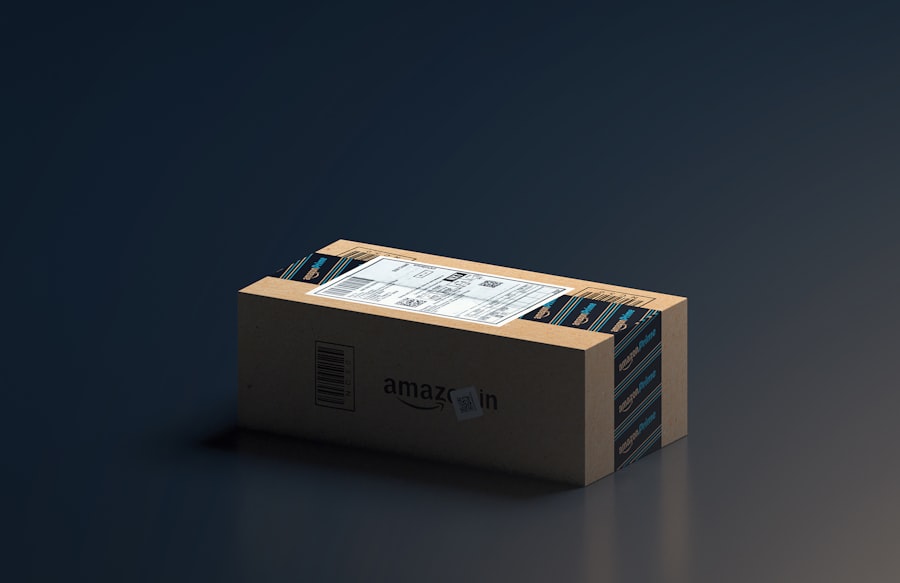
Once businesses have acquired liquidation inventory, effective marketing and promotion become paramount for driving sales. Leveraging Amazon’s advertising tools can significantly enhance visibility among potential buyers. Sponsored Products ads allow sellers to promote specific items directly within search results, increasing the likelihood of attracting interested customers.
Additionally, utilizing social media platforms to showcase liquidation products can help reach a broader audience and generate buzz around new arrivals. Creating compelling product listings is another critical aspect of effective marketing. High-quality images, detailed descriptions, and customer reviews play a significant role in influencing purchasing decisions.
Sellers should focus on highlighting the unique features and benefits of their liquidation items while addressing any potential concerns buyers may have regarding product condition or warranty information. Engaging with customers through Q&A sections or responding promptly to inquiries can also foster trust and encourage conversions. By implementing a comprehensive marketing strategy that encompasses both online advertising and engaging product listings, businesses can effectively promote their liquidation inventory and drive sales.
Streamlining the Liquidation Process
Streamlining the liquidation process is essential for maximizing efficiency and minimizing costs associated with excess inventory management. One effective approach is to establish clear workflows for receiving, inspecting, and listing liquidation products for sale. By creating standardized procedures for each step of the process, businesses can reduce errors and ensure that products are quickly made available to customers.
Investing in technology solutions such as inventory management software can further enhance operational efficiency. These tools can automate various aspects of the liquidation process, including tracking stock levels, generating reports on sales performance, and managing order fulfillment. Additionally, integrating barcode scanning systems can expedite the receiving process by allowing businesses to quickly log new inventory into their systems without manual entry errors.
By streamlining operations through technology and standardized workflows, businesses can reduce overhead costs associated with managing liquidation inventory while improving overall productivity.
Adapting to Changes in the Liquidation Market
The liquidation market is constantly evolving due to shifts in consumer behavior, economic conditions, and technological advancements. Businesses must remain agile and adaptable to navigate these changes successfully. For instance, during economic downturns or periods of uncertainty, consumers may become more price-sensitive, leading to increased demand for discounted products through liquidation channels.
Conversely, during times of economic growth, consumers may prioritize quality over price, impacting the types of products that sell well. Staying informed about industry trends and market dynamics is crucial for making strategic decisions in the liquidation space. Engaging with industry publications, attending trade shows, and participating in online forums can provide valuable insights into emerging trends and best practices within the liquidation market.
Additionally, fostering relationships with suppliers and other industry players can create opportunities for collaboration and knowledge sharing. By remaining proactive in adapting to changes within the liquidation market, businesses can position themselves for long-term success while capitalizing on new opportunities as they arise.


