

Amazon SellerCentral serves as the primary interface for third-party sellers on the Amazon marketplace. This platform allows sellers to manage their product listings, track sales, and handle customer interactions. To navigate SellerCentral effectively, it is essential to familiarize oneself with its various features and tools.
The dashboard provides a comprehensive overview of sales performance, inventory levels, and customer feedback, enabling sellers to make informed decisions about their business strategies. Additionally, SellerCentral offers resources such as tutorials and forums where sellers can seek advice and share experiences with one another. One of the key components of SellerCentral is the ability to create and manage product listings.

Sellers can upload product information, including descriptions, images, and pricing, which are crucial for attracting potential buyers. Understanding how to optimize these listings is vital, as they directly impact visibility in search results. Moreover, SellerCentral provides analytics tools that allow sellers to monitor their performance metrics, such as conversion rates and traffic sources.
By leveraging these insights, sellers can refine their strategies and enhance their overall presence on the platform.
Key Takeaways
- Mastering Amazon SellerCentral is essential for effective store management and sales growth.
- Optimizing product listings and leveraging Amazon Advertising boost product visibility and sales.
- Using Fulfillment by Amazon (FBA) streamlines order processing and improves customer experience.
- Strategic pricing and managing customer reviews help drive sales and build trust.
- Analyzing sales data and expanding through Amazon Global Selling enable informed decisions and market growth.

Optimizing Product Listings for Maximum Visibility
Optimizing product listings is a critical step in ensuring that items are easily discoverable by potential customers. The first aspect of optimization involves keyword research. Sellers should identify relevant keywords that potential buyers are likely to use when searching for products.
Tools like Amazon’s own search bar can provide insights into popular search terms. Incorporating these keywords strategically into product titles, bullet points, and descriptions can significantly improve a listing’s visibility in search results. In addition to keyword optimization, high-quality images play a pivotal role in attracting customers.
Amazon allows multiple images per listing, and sellers should take advantage of this feature by showcasing their products from various angles and in different contexts. Lifestyle images that demonstrate the product in use can help customers visualize its benefits. Furthermore, detailed product descriptions that highlight unique features and specifications can enhance the likelihood of conversion.
By combining effective keyword usage with compelling visuals and informative content, sellers can create listings that stand out in a crowded marketplace.
Leveraging Amazon Advertising for Increased Sales
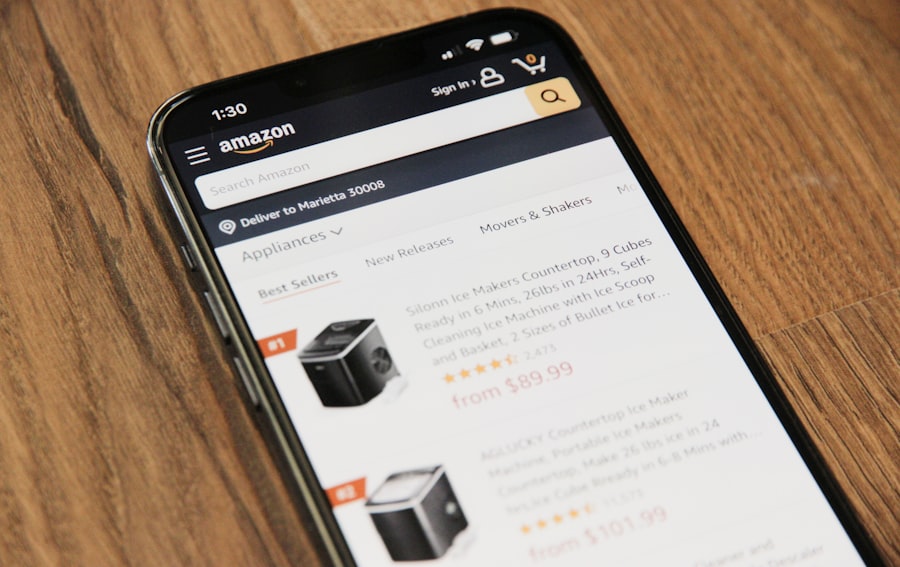
Amazon Advertising offers a suite of tools designed to help sellers promote their products effectively. Sponsored Products is one of the most popular advertising options, allowing sellers to create ads that appear in search results and on product detail pages. By targeting specific keywords or products, sellers can increase their visibility among potential buyers actively searching for similar items.
This targeted approach not only drives traffic to listings but also enhances the likelihood of conversions. Another advertising option is Sponsored Brands, which enables sellers to showcase multiple products within a single ad. This format is particularly beneficial for brand awareness, as it allows sellers to present their brand logo alongside featured products.
Additionally, utilizing Amazon’s Demand-Side Platform (DSP) can help sellers reach audiences beyond Amazon through display ads on third-party websites. By strategically investing in these advertising options, sellers can amplify their reach and drive more sales while continuously monitoring performance metrics to optimize their campaigns.
Utilizing Fulfillment by Amazon (FBA) for Efficient Order Processing
Fulfillment by Amazon (FBA) is a service that allows sellers to store their products in Amazon’s fulfillment centers. When a customer places an order, Amazon takes care of storage, packaging, and shipping on behalf of the seller. This service not only streamlines order processing but also provides sellers with access to Amazon Prime customers, who often prefer products eligible for fast shipping.
By utilizing FBA, sellers can focus on other aspects of their business while Amazon handles logistics. Moreover, FBA offers additional benefits such as customer service and returns management. Amazon’s established reputation for customer service can enhance buyer confidence in purchasing from third-party sellers using FBSellers can also take advantage of Amazon’s extensive logistics network to ensure timely delivery, which is crucial for maintaining positive customer feedback and ratings.
As a result, FBA can significantly improve a seller’s operational efficiency while enhancing the overall customer experience.
Implementing Pricing Strategies to Drive Sales
| Metric | Value | Description |
|---|---|---|
| Monthly Active Sellers | 2,500,000+ | Number of active sellers on Amazon Seller Central globally |
| Average Seller Rating | 4.6 / 5 | Average customer feedback rating for sellers |
| Fulfillment Options | FBA, FBM, SFP | Fulfillment by Amazon, Fulfillment by Merchant, Seller Fulfilled Prime |
| Product Categories | 20+ | Number of product categories available for selling |
| Average Time to First Sale | 7-14 days | Typical time from listing to first sale for new sellers |
| Seller Central Languages Supported | 10+ | Number of languages supported in the Seller Central interface |
| Account Health Metrics | Order Defect Rate < 1% | Target order defect rate to maintain good standing |
Pricing strategies are fundamental to driving sales on Amazon. Sellers must strike a balance between competitiveness and profitability when setting prices for their products. One effective approach is dynamic pricing, where prices are adjusted based on market demand, competitor pricing, and inventory levels.
Tools like repricing software can automate this process, allowing sellers to remain competitive without constant manual adjustments. Additionally, promotional pricing strategies such as discounts or limited-time offers can create urgency among potential buyers. Lightning Deals and Coupons are two features available on Amazon that can help sellers attract attention during peak shopping periods.
By analyzing competitors’ pricing strategies and understanding customer behavior, sellers can implement effective pricing tactics that not only drive sales but also enhance their overall market positioning.
Managing Customer Feedback and Reviews to Build Trust

Customer feedback and reviews play a crucial role in shaping a seller’s reputation on Amazon. Positive reviews can significantly influence purchasing decisions, while negative feedback can deter potential buyers. Therefore, actively managing customer feedback is essential for building trust and credibility within the marketplace.
Sellers should encourage satisfied customers to leave reviews by following up after purchases and providing exceptional service. In cases where negative feedback arises, it is important for sellers to respond promptly and professionally. Addressing customer concerns publicly demonstrates a commitment to customer satisfaction and can mitigate the impact of negative reviews.
Additionally, utilizing Amazon’s “Request a Review” button can streamline the process of soliciting feedback from customers after they receive their orders. By fostering positive relationships with customers and actively managing reviews, sellers can enhance their reputation and drive more sales.
Analyzing Sales Data to Make Informed Business Decisions
Data analysis is an integral part of running a successful business on Amazon. SellerCentral provides various reports that offer insights into sales performance, inventory levels, and customer behavior. By regularly reviewing these reports, sellers can identify trends and patterns that inform their business strategies.
For instance, analyzing sales data over time can reveal peak shopping periods or seasonal trends that may influence inventory management and marketing efforts. Furthermore, understanding customer demographics through data analysis can help sellers tailor their marketing strategies more effectively. By identifying which products resonate with specific customer segments, sellers can refine their advertising campaigns and product offerings accordingly.
Utilizing tools like Amazon Brand Analytics provides deeper insights into customer behavior and preferences, enabling sellers to make data-driven decisions that enhance their overall business performance.
Expanding Reach with Amazon Global Selling
Amazon Global Selling presents an opportunity for sellers to expand their reach beyond domestic markets. This program allows sellers to list their products on various international Amazon marketplaces, tapping into new customer bases around the world. To successfully navigate global selling, it is essential for sellers to understand the nuances of each market, including local regulations, cultural preferences, and competitive landscapes.
Sellers should also consider localization strategies when entering new markets. This includes translating product listings into the local language and adjusting marketing messages to resonate with cultural norms. Additionally, understanding shipping logistics and customs regulations is crucial for ensuring smooth order fulfillment across borders.
By leveraging Amazon Global Selling effectively, sellers can significantly broaden their market presence and drive growth in international sales channels. In conclusion, mastering the intricacies of Amazon SellerCentral is essential for any seller looking to thrive in the competitive landscape of e-commerce. From optimizing product listings for visibility to leveraging advertising tools and managing customer feedback effectively, each aspect plays a vital role in building a successful business on the platform.
By continuously analyzing data and exploring opportunities for global expansion, sellers can position themselves for long-term success in the ever-evolving world of online retail.


