Syndicate apartment living represents a unique approach to urban housing, where multiple owners share ownership of a single property. This model is particularly prevalent in densely populated cities where real estate prices are high, making it difficult for individuals to afford entire units on their own. In a syndicate apartment, each owner typically holds a share in the property, which grants them the right to occupy a specific unit while also participating in the management and decision-making processes regarding the building’s upkeep and regulations.
This arrangement fosters a sense of collective responsibility among owners, as they must work together to maintain the property and ensure that it meets the needs of all residents. The concept of syndicate living is not new; it has roots in cooperative housing models that date back to the early 20th century. However, it has evolved significantly over the years, adapting to modern urban lifestyles and the increasing demand for affordable housing solutions.

In many cases, syndicate apartments are governed by a set of bylaws that outline the rights and responsibilities of each owner, as well as the procedures for making decisions about shared spaces and amenities. This structured approach helps to mitigate potential conflicts and ensures that all owners have a voice in how their living environment is managed.
Key Takeaways
- Syndicate apartment living involves shared ownership and communal management of residential buildings.
- Benefits include cost savings, shared amenities, and a built-in community.
- Selecting the right syndicate apartment requires evaluating location, management quality, and financial health.
- Effective financial management and clear conflict resolution strategies are crucial for harmonious living.
- Engaging with neighbors and utilizing shared spaces enhances community spirit and resident satisfaction.
Benefits of Syndicate Apartment Living

One of the primary benefits of syndicate apartment living is the financial aspect. By pooling resources, owners can afford properties that might otherwise be out of reach for individual buyers. This collective investment not only lowers the financial burden on each owner but also allows for shared expenses related to maintenance, utilities, and improvements.
For instance, if a building requires significant repairs or upgrades, such as a new roof or plumbing system, the costs can be distributed among all owners, making it more manageable for everyone involved. Additionally, syndicate living often fosters a strong sense of community among residents. With shared spaces and common interests, owners are more likely to interact with one another, leading to friendships and support networks that can enhance their living experience.
This communal atmosphere can be particularly beneficial for families or individuals who may feel isolated in traditional apartment settings. Social events organized by the syndicate can further strengthen these bonds, creating an environment where residents feel connected and invested in one another’s well-being.
Choosing the Right Syndicate Apartment
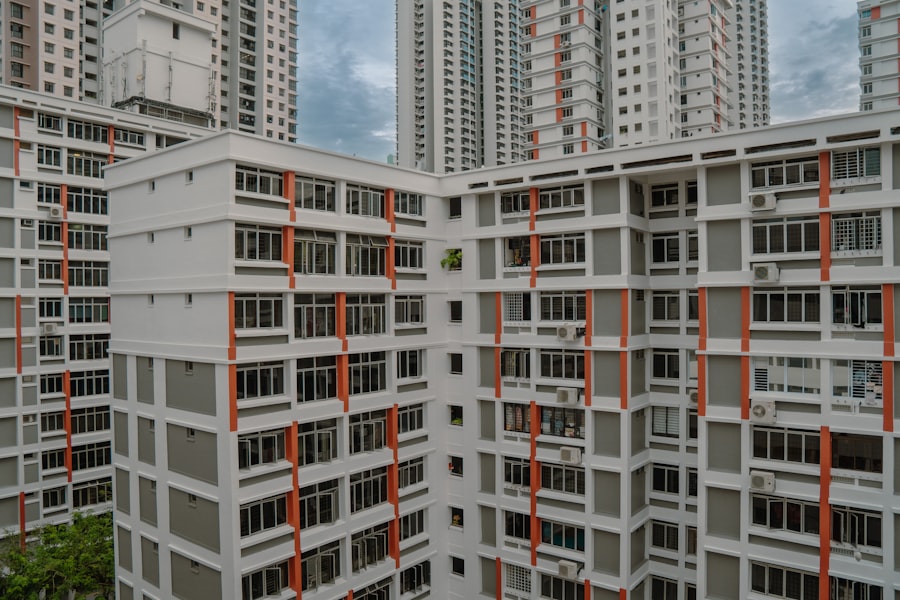
Selecting the right syndicate apartment requires careful consideration of various factors that can significantly impact your living experience. First and foremost, potential buyers should assess the location of the property. Proximity to essential amenities such as schools, public transportation, grocery stores, and recreational facilities can greatly influence daily life.
A well-located syndicate apartment not only enhances convenience but also contributes to long-term property value appreciation. Another critical aspect to consider is the financial health of the syndicate itself. Prospective owners should review the syndicate’s financial statements, including budgets and reserve funds, to ensure that there are adequate resources for maintenance and unexpected repairs.
A well-managed syndicate will have a transparent financial history and a plan for future expenses. Additionally, understanding the bylaws and regulations governing the syndicate is essential; these documents outline the rights and responsibilities of owners and can reveal potential issues that may arise in the future.
Managing Finances in a Syndicate Apartment
Financial management in a syndicate apartment involves navigating shared expenses while ensuring personal financial stability. Each owner typically pays monthly fees that contribute to the overall maintenance of the property, including utilities, insurance, and common area upkeep. It is crucial for owners to budget effectively, taking into account these fees alongside their personal expenses.
Establishing an emergency fund can also be beneficial; this fund can cover unexpected costs that may arise from repairs or special assessments levied by the syndicate. Transparency in financial dealings is vital for maintaining trust among owners. Regular meetings should be held to discuss financial matters, allowing all members to voice concerns or suggestions regarding expenditures.
Additionally, employing a professional property management company can help streamline financial processes, ensuring that funds are allocated appropriately and that all owners are kept informed about the financial status of the syndicate.
Resolving Conflicts in a Syndicate Apartment
| Metric | Value | Unit | Description |
|---|---|---|---|
| Number of Units | 120 | units | Total apartments available in the syndicate complex |
| Average Rent | 1500 | per month | Average monthly rent per apartment |
| Occupancy Rate | 95 | % | Percentage of apartments currently occupied |
| Maintenance Fee | 200 | per month | Monthly maintenance fee per apartment |
| Year Built | 2010 | year | Year the syndicate apartment complex was constructed |
| Average Apartment Size | 850 | sq ft | Average size of each apartment unit |
| Number of Syndicate Members | 50 | members | Number of members in the apartment syndicate |
Conflicts are an inevitable part of communal living, especially in a syndicate apartment where multiple individuals share ownership and responsibility for a property. Disagreements may arise over various issues, such as noise levels, maintenance responsibilities, or use of common areas. To effectively resolve these conflicts, it is essential to establish clear communication channels among owners.
Regular meetings can provide a platform for discussing grievances and finding amicable solutions before issues escalate. When conflicts do arise, it is important to approach them with empathy and an open mind. Active listening can help parties understand each other’s perspectives and work towards a resolution that satisfies everyone involved.
In some cases, mediation by an impartial third party may be necessary to facilitate discussions and ensure that all voices are heard. By fostering a culture of respect and collaboration within the syndicate, owners can create an environment where conflicts are addressed constructively rather than allowing them to fester.
Creating a Sense of Community in a Syndicate Apartment

Building a sense of community within a syndicate apartment is essential for enhancing residents’ quality of life. One effective way to achieve this is through organized social events that encourage interaction among owners. These gatherings can range from casual barbecues or potlucks to more structured activities like game nights or holiday celebrations.
Such events not only provide opportunities for residents to get to know one another but also foster camaraderie and collaboration within the syndicate. In addition to social events, creating shared interest groups can further strengthen community ties. For example, residents might form book clubs, gardening groups, or fitness classes that cater to their interests.
These initiatives not only promote socialization but also encourage residents to take an active role in their living environment. By participating in community-building activities, owners can cultivate relationships that enhance their overall living experience and contribute to a positive atmosphere within the syndicate.
Making the Most of Shared Amenities in a Syndicate Apartment
Shared amenities are one of the key features of syndicate apartment living, offering residents access to facilities that may be too costly or impractical to maintain individually. Common amenities often include fitness centers, swimming pools, rooftop gardens, or communal lounges. To maximize these shared resources, it is important for residents to establish guidelines for their use that promote fairness and respect among all owners.
Regular maintenance and upkeep of shared amenities are crucial for ensuring their longevity and usability. Owners should collaborate on creating schedules for cleaning and maintenance tasks while also discussing any necessary improvements or upgrades. By taking collective responsibility for these spaces, residents can enhance their enjoyment of shared amenities while fostering a sense of ownership and pride in their community.
Tips for Thriving in a Syndicate Apartment Environment
Thriving in a syndicate apartment environment requires adaptability and proactive engagement with fellow residents. One key tip is to maintain open lines of communication with other owners; this can help prevent misunderstandings and foster a collaborative atmosphere. Regularly attending meetings and participating in discussions about property management can also empower residents to voice their opinions and contribute to decision-making processes.
Another important aspect is being considerate of neighbors’ needs and preferences. Simple gestures such as keeping noise levels down during late hours or being mindful of shared spaces can go a long way in promoting harmony within the community. Additionally, embracing diversity within the syndicate can enrich the living experience; engaging with residents from different backgrounds can lead to new friendships and broaden perspectives.
Ultimately, thriving in a syndicate apartment environment hinges on fostering relationships built on respect and cooperation while actively participating in community-building efforts. By embracing these principles, residents can create a vibrant living space that enhances their quality of life while enjoying the benefits of shared ownership.