

Bullion refers to precious metals that are typically in the form of bars, ingots, or coins and are valued primarily based on their metal content rather than their form. The most commonly traded types of bullion are gold, silver, platinum, and palladium. The term “bullion” is derived from the French word “bouillon,” which means “to boil,” a reference to the process of melting metal into bars.
Bullion is often produced by government mints or private refineries and is recognized for its purity and weight, which are critical factors in determining its market value. The market for bullion operates on the principles of supply and demand, much like any other commodity. Prices fluctuate based on various factors, including geopolitical events, economic indicators, and changes in currency values.

Investors often turn to bullion as a hedge against inflation or economic instability, as these metals tend to retain their value over time. When purchasing bullion, investors should be aware of the spot price, which is the current market price for immediate delivery of the metal. This price can vary significantly throughout the day based on trading activity in global markets.
Key Takeaways
- Bullion refers to precious metals like gold and silver in bulk form, valued by weight and purity.
- Investing in bullion offers benefits such as wealth preservation, inflation protection, and portfolio diversification.
- Common types of bullion include gold, silver, and platinum, each with unique market dynamics and uses.
- Key factors before investing include market timing, purity verification, storage options, and dealer reputation.
- Secure storage and choosing the right time to sell are crucial for maximizing returns and safeguarding your investment.
The Benefits of Investing in Bullion: Why it’s a Smart Choice for Investors

Investing in bullion offers several advantages that make it an appealing option for both seasoned investors and newcomers alike. One of the primary benefits is its intrinsic value; unlike stocks or bonds, bullion has a tangible form and is universally recognized as a store of value. This characteristic makes it particularly attractive during times of economic uncertainty when traditional investments may falter.
For instance, during the 2008 financial crisis, gold prices surged as investors sought safe-haven assets, demonstrating bullion’s ability to preserve wealth. Another significant advantage of bullion investment is its potential for portfolio diversification. By incorporating precious metals into an investment strategy, individuals can reduce overall risk.
Bullion often exhibits a low correlation with other asset classes, such as equities or real estate. This means that when stock markets decline, bullion may hold its value or even appreciate, providing a buffer against losses in other areas of an investment portfolio. Furthermore, bullion can serve as a hedge against inflation; as the cost of living rises, so too does the value of precious metals, making them an effective safeguard for purchasing power.
Types of Bullion: Gold, Silver, Platinum, and Other Options
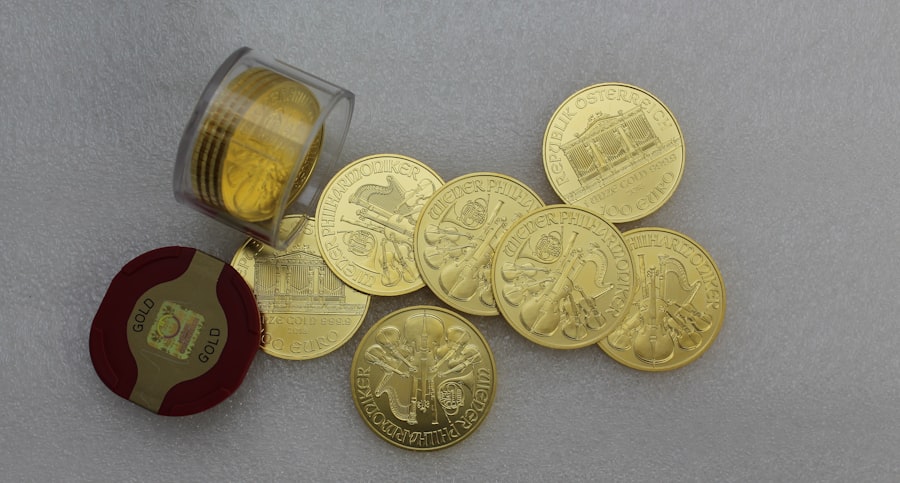
The most well-known type of bullion is gold, often considered the ultimate safe-haven asset. Gold bullion comes in various forms, including coins like the American Gold Eagle and bars produced by reputable mints. Its historical significance as a currency and store of value contributes to its enduring popularity among investors.
Gold’s unique properties—such as its resistance to corrosion and malleability—also make it an ideal choice for jewelry and industrial applications. Silver bullion is another popular investment option, often seen as a more affordable alternative to gold. Silver has a wide range of industrial uses, from electronics to solar panels, which can influence its demand and price.
Coins like the American Silver Eagle and Canadian Silver Maple Leaf are widely recognized and traded in the market. Platinum and palladium are also gaining traction among investors due to their rarity and industrial applications, particularly in automotive catalytic converters. Each type of bullion has its own market dynamics and investment characteristics, making it essential for investors to understand these differences when considering their options.
Factors to Consider Before Investing in Bullion: Tips for Success
Before diving into bullion investment, several critical factors should be considered to ensure a successful experience. First and foremost is understanding the market dynamics that influence precious metal prices. Investors should stay informed about global economic trends, interest rates, and geopolitical events that can impact supply and demand.
For example, changes in mining production or new regulations affecting mining operations can lead to fluctuations in metal availability and prices. Another important consideration is the purity and authenticity of the bullion being purchased. Investors should seek out products that are certified by recognized authorities or mints to ensure they are acquiring genuine metals.
The purity of gold bullion is typically measured in karats or fineness; for instance, 24-karat gold is considered pure gold (99.9% purity). Additionally, understanding the premiums associated with buying bullion—over the spot price—can help investors make informed decisions about their purchases.
Where to Buy Bullion: Finding a Reputable Dealer
| Metric | Description | Example Value | Unit |
|---|---|---|---|
| Gold Bullion Price | Current market price of gold bullion | 1950 | per ounce |
| Silver Bullion Price | Current market price of silver bullion | 25 | per ounce |
| Platinum Bullion Price | Current market price of platinum bullion | 1050 | per ounce |
| Gold Purity | Purity level of gold bullion | 99.99 | percent |
| Silver Purity | Purity level of silver bullion | 99.9 | percent |
| Weight of Standard Gold Bar | Weight of a standard gold bullion bar | 400 | troy ounces |
| Weight of Silver Bar | Weight of a standard silver bullion bar | 1000 | troy ounces |
Finding a reputable dealer is crucial when investing in bullion to ensure that you receive quality products at fair prices. There are several avenues through which investors can purchase bullion, including online dealers, local coin shops, and government mints. Online dealers often provide a broader selection and competitive pricing due to lower overhead costs; however, it’s essential to conduct thorough research before making a purchase.
When evaluating potential dealers, consider factors such as customer reviews, industry reputation, and transparency regarding pricing and shipping policies. Reputable dealers will provide clear information about their products’ authenticity and offer guarantees or buyback options. Additionally, checking for membership in professional organizations like the Professional Numismatists Guild (PNG) or the American Numismatic Association (ANA) can further validate a dealer’s credibility.
Storing Your Bullion: Keeping Your Investment Safe and Secure
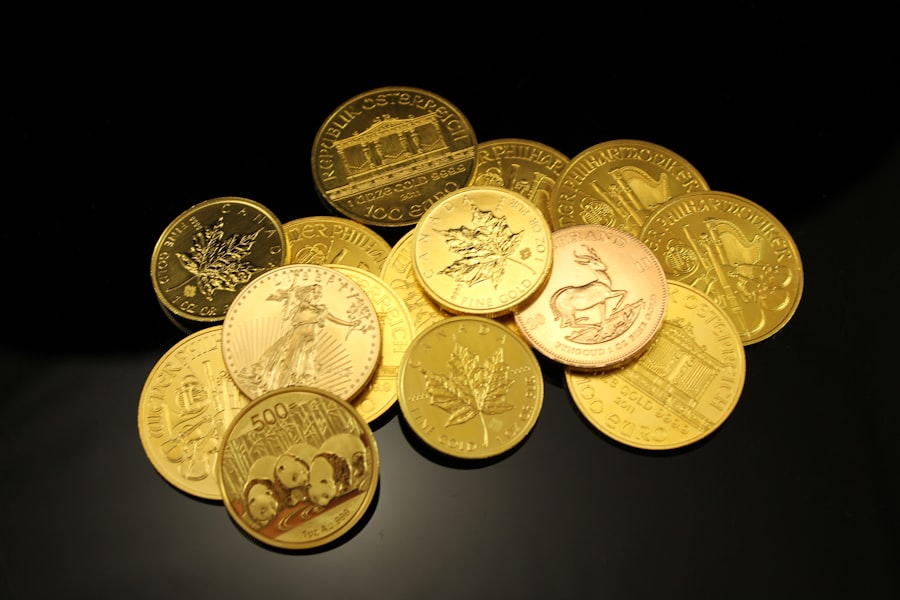
Once you have acquired bullion, ensuring its safe storage is paramount to protecting your investment. There are several options available for storing precious metals, each with its own advantages and disadvantages. One common method is using a safe deposit box at a bank; this provides a high level of security but may come with annual fees and limited access hours.
Alternatively, some investors choose to store their bullion at home in a personal safe designed for security against theft or damage. While this option offers immediate access to your investment, it also carries risks related to burglary or natural disasters. For those looking for a more secure solution without the hassle of personal storage, third-party storage facilities specializing in precious metals can be an excellent choice.
These facilities often provide insurance coverage and advanced security measures to protect your assets.
Selling Your Bullion: Knowing When and How to Cash in on Your Investment
Knowing when and how to sell your bullion is just as important as the initial purchase decision. The timing of your sale can significantly impact your returns; therefore, keeping an eye on market trends is essential. Investors should monitor price movements closely and consider selling during periods of high demand or when prices reach favorable levels compared to their purchase price.
When it comes time to sell, there are various avenues available. You can sell directly to dealers who specialize in precious metals or through online platforms that facilitate transactions between buyers and sellers. Each option has its pros and cons; selling directly to a dealer may offer convenience but could result in lower prices compared to selling on the open market.
Regardless of the method chosen, ensuring that you have all necessary documentation regarding your purchase will help streamline the selling process.
Diversifying Your Portfolio: Incorporating Bullion into Your Investment Strategy
Incorporating bullion into an investment portfolio can enhance diversification and reduce overall risk exposure. A well-balanced portfolio typically includes a mix of asset classes such as stocks, bonds, real estate, and commodities like precious metals. By allocating a portion of your investments to bullion, you can create a buffer against market volatility while potentially benefiting from price appreciation during economic downturns.
Determining the appropriate allocation of bullion within your portfolio depends on individual risk tolerance and investment goals. Financial advisors often recommend that investors consider holding between 5% to 10% of their total portfolio in precious metals as a hedge against inflation and economic uncertainty. This allocation allows investors to enjoy the benefits of bullion without overexposing themselves to the inherent risks associated with commodity investments.
In summary, understanding the intricacies of bullion investment—from its definition and benefits to storage solutions and selling strategies—can empower investors to make informed decisions that align with their financial goals. By carefully considering these factors and incorporating bullion into a diversified portfolio, individuals can enhance their investment strategies while safeguarding their wealth against economic fluctuations.

