

Affiliate marketing is a performance-based marketing strategy where individuals or businesses earn a commission by promoting another company’s products or services. This model operates on a simple premise: affiliates share a unique link to a product, and when someone makes a purchase through that link, the affiliate receives a percentage of the sale. This system benefits all parties involved; companies gain exposure and sales without upfront advertising costs, while affiliates can monetize their platforms without needing to create their own products.
The roots of affiliate marketing can be traced back to the mid-1990s, with Amazon being one of the pioneers in this space. The company launched its affiliate program in 1996, allowing website owners to earn commissions by linking to Amazon products. This innovative approach not only expanded Amazon’s reach but also laid the groundwork for countless other businesses to adopt similar models.

Today, affiliate marketing has evolved into a multi-billion dollar industry, encompassing various niches and platforms, from blogs and social media to email newsletters and YouTube channels.
Key Takeaways
- Affiliate marketing involves promoting products and earning commissions on sales generated through your referrals.
- Selecting affiliate programs that align with your niche and audience is crucial for success.
- High-quality, relevant content attracts and drives targeted traffic to your affiliate offers.
- Building and engaging a loyal audience increases trust and boosts conversion rates.
- Using email marketing and website optimization techniques enhances sales and helps scale your affiliate business.
Choosing the Right Affiliate Programs

Selecting the right affiliate programs is crucial for success in affiliate marketing. Not all programs are created equal, and aligning with the right partners can significantly impact your earnings and credibility. When evaluating potential affiliate programs, consider factors such as commission rates, payment structures, product relevance, and the reputation of the company.
High commission rates may be enticing, but if the products do not resonate with your audience, conversions will likely be low. Additionally, it is essential to assess the support and resources provided by the affiliate program. Some programs offer extensive training materials, promotional tools, and dedicated account managers to help affiliates succeed.
For instance, programs like ShareASale and CJ Affiliate provide affiliates with access to a wealth of resources, including banners, product feeds, and performance analytics. By choosing programs that offer robust support, you can enhance your marketing efforts and increase your chances of success.
Creating Quality Content to Drive Traffic
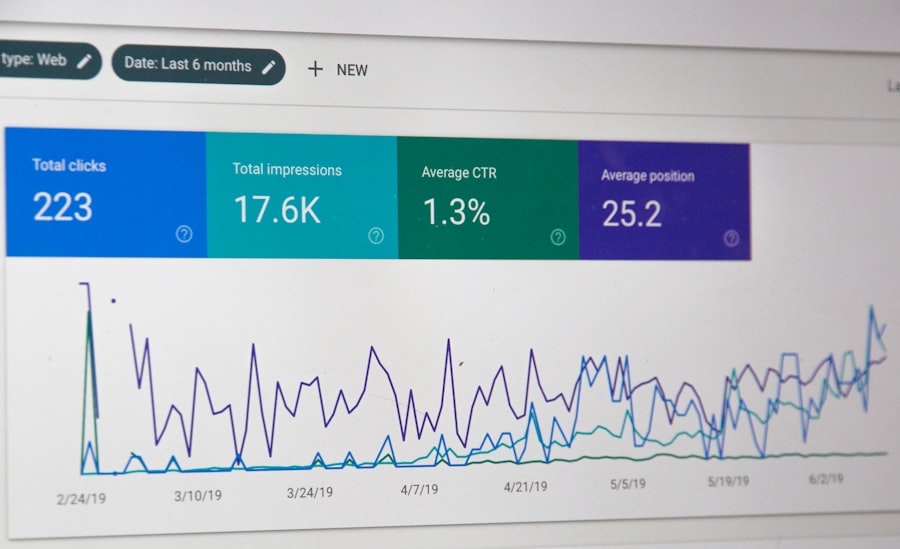
Content is the backbone of any successful affiliate marketing strategy. High-quality content not only attracts visitors but also builds trust and authority within your niche. To drive traffic effectively, focus on creating informative, engaging, and valuable content that addresses the needs and interests of your target audience.
This could include blog posts, product reviews, tutorials, or comparison articles that highlight the benefits of the products you are promoting. For example, if you are an affiliate for fitness products, consider writing detailed workout guides or nutrition tips that incorporate the products you are promoting. By providing genuine value to your readers, you establish yourself as a credible source of information, which can lead to higher conversion rates.
Additionally, incorporating SEO best practices into your content can help improve visibility on search engines, driving organic traffic to your site. Utilizing keywords strategically and optimizing meta descriptions can enhance your content’s discoverability.
Building an Engaged Audience
An engaged audience is vital for successful affiliate marketing. Building a loyal following requires consistent effort in nurturing relationships with your audience. Start by identifying your target demographic and understanding their preferences, pain points, and interests.
Engaging with your audience through social media platforms, blog comments, or email newsletters fosters a sense of community and encourages interaction. One effective way to engage your audience is by encouraging feedback and participation. For instance, you could run polls or surveys to gather insights on what types of content they find most valuable or what products they are interested in.
This not only helps you tailor your content but also makes your audience feel valued and heard. Additionally, hosting live Q&A sessions or webinars can further strengthen your connection with your audience while providing them with valuable information related to your niche.
Leveraging Email Marketing for Affiliate Sales
| Metric | Description | Typical Range | Notes |
|---|---|---|---|
| Average Commission Rate | Percentage of sale earned per affiliate transaction | 5% – 30% | Varies by industry and product type |
| Conversion Rate | Percentage of visitors who make a purchase through affiliate link | 1% – 10% | Depends on traffic quality and offer relevance |
| Click-Through Rate (CTR) | Percentage of visitors clicking on affiliate links | 0.5% – 5% | Higher CTR improves potential earnings |
| Average Earnings Per Click (EPC) | Average income generated per click on affiliate link | 0.10 – 2.00 | Varies widely by niche and offer |
| Monthly Passive Income | Estimated recurring income from affiliate marketing | 100 – 10,000+ | Depends on traffic volume and commission rates |
| Affiliate Program Cookie Duration | Time period affiliate is credited for referred sales | 24 hours – 90 days | Longer durations increase earning potential |
| Return on Investment (ROI) | Profitability ratio of affiliate marketing efforts | 100% – 1000%+ | High ROI possible with low upfront costs |
Email marketing remains one of the most effective channels for driving affiliate sales. Building an email list allows you to communicate directly with your audience and promote products in a personalized manner. To leverage email marketing effectively, start by offering valuable incentives for subscribers, such as exclusive content, discounts, or free resources related to your niche.
Once you have established your email list, focus on creating engaging and informative newsletters that provide value beyond just promoting affiliate products. Share tips, insights, or industry news that resonates with your audience while subtly incorporating affiliate links where appropriate. For example, if you are promoting a new skincare product, you could include a section in your newsletter discussing skincare routines or common skin concerns while linking to the product as a solution.
This approach not only drives traffic but also positions you as a trusted source of information.
Optimizing Your Website for Conversions

Website optimization is critical for maximizing conversions in affiliate marketing. A well-optimized website enhances user experience and encourages visitors to take action, whether that means clicking on an affiliate link or making a purchase. Start by ensuring that your website is mobile-friendly and loads quickly; slow-loading sites can lead to high bounce rates and lost opportunities.
Incorporating clear calls-to-action (CTAs) throughout your site is another essential aspect of optimization. CTAs should be strategically placed within your content to guide users toward taking specific actions, such as signing up for a newsletter or clicking on an affiliate link. Additionally, using eye-catching visuals and compelling copy can help draw attention to these CTAs.
A/B testing different layouts and designs can also provide insights into what resonates best with your audience and leads to higher conversion rates.
Tracking and Analyzing Performance
To succeed in affiliate marketing, it is crucial to track and analyze performance metrics regularly. Understanding how your affiliate links are performing allows you to make data-driven decisions that can enhance your strategy. Most affiliate programs provide dashboards that display key metrics such as clicks, conversions, and commissions earned.
Familiarizing yourself with these metrics will help you identify which products or campaigns are performing well and which may need adjustments. In addition to tracking metrics provided by affiliate programs, utilizing tools like Google Analytics can offer deeper insights into user behavior on your website. By analyzing traffic sources, user demographics, and engagement patterns, you can refine your content strategy and optimize for better performance.
For instance, if you notice that a particular blog post drives significant traffic but has low conversion rates, it may be worth revisiting the content or adjusting the placement of affiliate links within it.
Scaling Your Affiliate Marketing Business
Once you have established a solid foundation in affiliate marketing, scaling your business becomes the next logical step. Scaling involves expanding your reach and increasing revenue without proportionately increasing costs. One effective way to scale is by diversifying your income streams; consider joining multiple affiliate programs across different niches or exploring additional monetization methods such as sponsored content or digital products.
Investing in paid advertising can also accelerate growth by driving targeted traffic to your site. Platforms like Facebook Ads or Google Ads allow you to reach specific demographics based on interests and behaviors, increasing the likelihood of conversions. However, it’s essential to monitor ad performance closely to ensure that your return on investment justifies the costs involved.
Moreover, collaborating with other influencers or affiliates in your niche can open new avenues for growth. Joint ventures or co-promotions can introduce you to new audiences while leveraging each other’s strengths for mutual benefit. By continuously exploring new strategies and adapting to market trends, you can effectively scale your affiliate marketing business while maintaining its sustainability over time.


