Lockheed Martin Corporation, a titan in the aerospace and defense sector, has long been a focal point for investors seeking exposure to the defense industry. Founded in 1912, the company has evolved into a global leader, specializing in advanced technology systems, including military aircraft, missile systems, and space exploration. Lockheed Martin’s stock is traded on the New York Stock Exchange under the ticker symbol LMT.
The company has consistently demonstrated resilience and adaptability in a rapidly changing geopolitical landscape, making it an attractive option for investors looking for stability and growth potential. The stock has garnered attention not only for its robust dividend yield but also for its historical performance during periods of economic uncertainty. As nations around the world continue to prioritize defense spending, Lockheed Martin stands to benefit from increased government contracts and international partnerships.

The company’s strategic focus on innovation and modernization of defense capabilities positions it favorably within the industry. This article delves into various aspects of Lockheed Martin’s financial performance, business operations, competitive positioning, growth prospects, risks, and challenges, as well as a comparative analysis with industry peers.
Key Takeaways
- Lockheed Martin demonstrates strong financial performance and stable business operations.
- The company holds a competitive position in the aerospace and defense industry.
- Growth prospects are supported by ongoing contracts and innovation initiatives.
- Risks include geopolitical factors and defense budget fluctuations.
- Compared to peers, Lockheed Martin offers a strategic investment opportunity with balanced risk and reward.
Analysis of Lockheed Martin’s Financial Performance

Lockheed Martin’s financial performance has been characterized by steady revenue growth and strong profitability metrics. In recent years, the company has reported consistent increases in both top-line revenue and net income, driven largely by its diverse portfolio of defense contracts and a growing demand for advanced military technologies. For instance, in 2022, Lockheed Martin reported revenues exceeding $67 billion, marking a significant increase from previous years.
This growth trajectory is underpinned by substantial contracts with the U.S. Department of Defense and international allies, which have bolstered the company’s order backlog to record levels. Moreover, Lockheed Martin’s commitment to shareholder returns is evident through its robust dividend policy.
The company has a long-standing history of dividend payments, with a track record of annual increases that reflect its strong cash flow generation capabilities. The dividend yield has consistently hovered around 3%, making it an appealing choice for income-focused investors. Additionally, Lockheed Martin’s disciplined approach to capital allocation—balancing investments in research and development with shareholder returns—has contributed to its strong financial health.
The company’s ability to maintain a solid balance sheet, characterized by manageable debt levels and ample liquidity, further enhances its attractiveness as an investment.
Overview of Lockheed Martin’s Business Operations

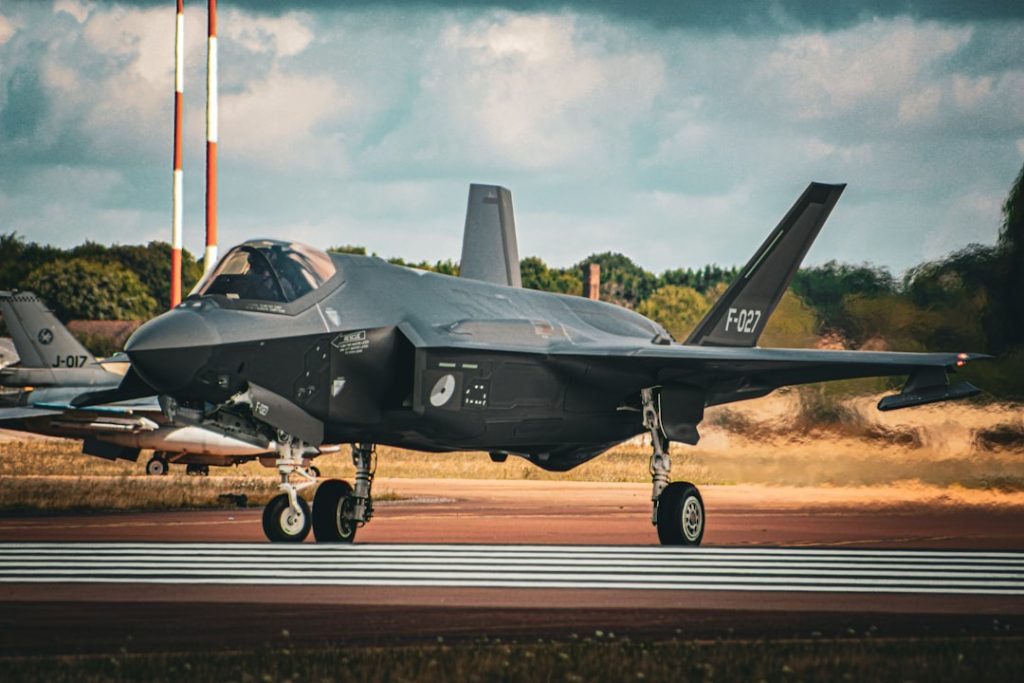
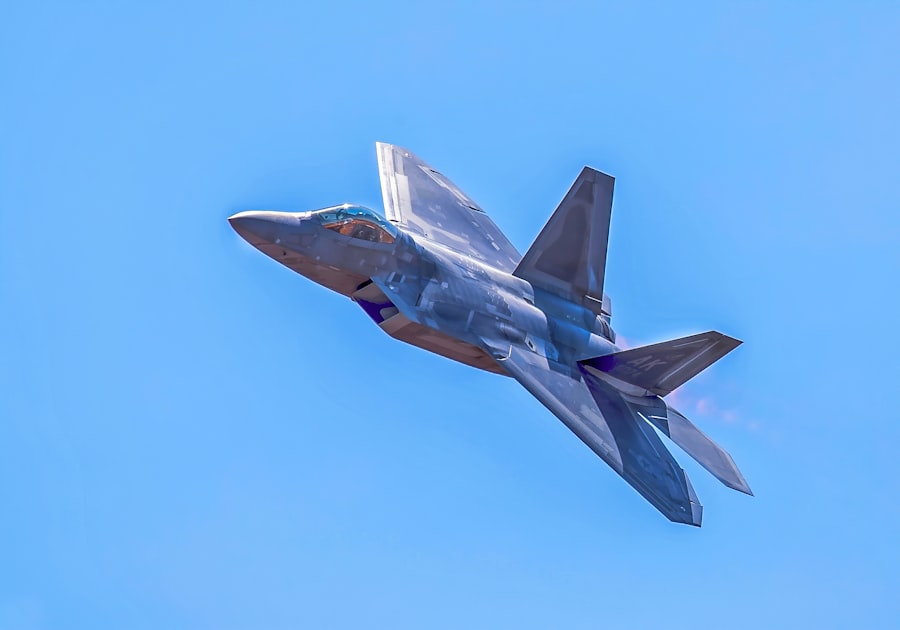
Lockheed Martin operates through several key business segments: Aeronautics, Missiles and Fire Control, Rotary and Mission Systems, and Space Systems. Each segment plays a crucial role in the company’s overall strategy and revenue generation. The Aeronautics segment is perhaps the most well-known, encompassing the production of advanced military aircraft such as the F-35 Lightning II and the F-22 Raptor.
These platforms are not only technologically advanced but also represent significant investments from various governments around the world. The Missiles and Fire Control segment focuses on developing advanced missile systems and fire control solutions that enhance battlefield effectiveness. This includes products like the Terminal High Altitude Area Defense (THAAD) system and the Joint Air-to-Ground Missile (JAGM).
Meanwhile, the Rotary and Mission Systems segment provides a range of services related to helicopters and naval systems, including the Sikorsky Black Hawk helicopter. Lastly, the Space Systems segment is dedicated to satellite technology and space exploration initiatives, including partnerships with NASA for missions to Mars and beyond. This diversified operational structure allows Lockheed Martin to mitigate risks associated with reliance on any single product line or market.
Assessment of Lockheed Martin’s Competitive Position
Lockheed Martin’s competitive position within the aerospace and defense industry is formidable, bolstered by its extensive experience, technological prowess, and strategic partnerships. The company consistently ranks among the top defense contractors globally, often competing with other giants such as Boeing, Northrop Grumman, and Raytheon Technologies. One of Lockheed Martin’s key advantages is its ability to innovate rapidly in response to emerging threats and technological advancements.
The company’s investment in research and development is substantial; in 2022 alone, it allocated over $1 billion towards R&D initiatives aimed at enhancing its product offerings. Furthermore, Lockheed Martin’s strong relationships with government entities provide it with a competitive edge in securing lucrative contracts. The U.S.
Department of Defense remains its largest customer, accounting for a significant portion of its revenue. However, Lockheed Martin has also successfully expanded its international footprint by establishing partnerships with foreign governments and defense agencies. This global approach not only diversifies its revenue streams but also positions the company favorably in an increasingly interconnected world where defense collaboration is paramount.
Evaluation of Lockheed Martin’s Growth Prospects
| Metric | Value |
|---|---|
| Stock Symbol | LMT |
| Current Price | 460.25 |
| Market Cap | 110 Billion |
| PE Ratio | 18.5 |
| Dividend Yield | 2.8% |
| 52 Week High | 485.00 |
| 52 Week Low | 390.50 |
| Average Volume | 1.2 Million |
Looking ahead, Lockheed Martin’s growth prospects appear promising due to several factors that are likely to drive demand for its products and services. The ongoing geopolitical tensions around the globe have prompted many nations to increase their defense budgets significantly. For instance, NATO member countries have committed to spending at least 2% of their GDP on defense in response to security challenges posed by regional conflicts.
This trend is expected to benefit Lockheed Martin as countries seek to modernize their military capabilities. Additionally, advancements in technology such as artificial intelligence (AI), unmanned systems, and cyber warfare are reshaping the defense landscape. Lockheed Martin is at the forefront of integrating these technologies into its offerings, ensuring that it remains competitive in an evolving market.
The company’s focus on next-generation systems—such as hypersonic weapons and advanced cyber defense solutions—positions it well for future growth opportunities. Moreover, Lockheed Martin’s commitment to sustainability through initiatives aimed at reducing carbon emissions aligns with global trends toward greener technologies, further enhancing its appeal to investors.
Discussion of Risks and Challenges Facing Lockheed Martin
Despite its strong market position and growth prospects, Lockheed Martin faces several risks and challenges that could impact its performance. One significant risk is the potential for budget cuts or changes in defense spending priorities by the U.S. government or allied nations. Political shifts can lead to fluctuations in defense budgets, which may affect contract awards and revenue projections for companies like Lockheed Martin that rely heavily on government contracts. Another challenge lies in the increasing complexity of global supply chains exacerbated by geopolitical tensions and trade disputes. Disruptions in supply chains can lead to delays in production schedules and increased costs for materials—factors that could negatively impact profitability. Additionally, cybersecurity threats pose a significant risk not only to Lockheed Martin’s operations but also to national security interests tied to its technologies. As cyber threats evolve, the company must continuously invest in safeguarding its systems against potential breaches that could compromise sensitive information or disrupt operations.
Comparison of Lockheed Martin Stock with Industry Peers
When evaluating Lockheed Martin stock as a potential investment, it is essential to compare its performance with that of industry peers such as Boeing, Northrop Grumman, and Raytheon Technologies. Each of these companies operates within the aerospace and defense sector but has distinct business models and market focuses. For instance, while Boeing has a significant commercial aviation segment that can be more volatile due to economic cycles, Lockheed Martin’s reliance on defense contracts provides a more stable revenue stream.
In terms of financial metrics such as price-to-earnings (P/E) ratios and dividend yields, Lockheed Martin often stands out favorably against its peers. Its consistent dividend payments reflect a commitment to returning value to shareholders while maintaining strong cash flow generation capabilities. Furthermore, Lockheed Martin’s order backlog is one of the largest in the industry, indicating robust future revenue potential compared to competitors who may face challenges in securing new contracts.
Rationale for Considering Lockheed Martin Stock as a Strategic Investment
Lockheed Martin presents a compelling case for investors seeking exposure to the aerospace and defense sector due to its strong financial performance, diversified business operations, competitive positioning, and favorable growth prospects. The company’s ability to adapt to changing geopolitical landscapes while maintaining a focus on innovation positions it well for continued success in an industry characterized by rapid technological advancements. While risks such as budget fluctuations and supply chain disruptions exist, Lockheed Martin’s robust order backlog and commitment to shareholder returns provide a level of confidence for potential investors.
When compared with industry peers, Lockheed Martin often demonstrates superior financial metrics that underscore its attractiveness as a strategic investment choice within the defense sector. As global defense spending continues to rise amid evolving security challenges, Lockheed Martin stands poised to capitalize on these trends while delivering value to its shareholders over the long term.