
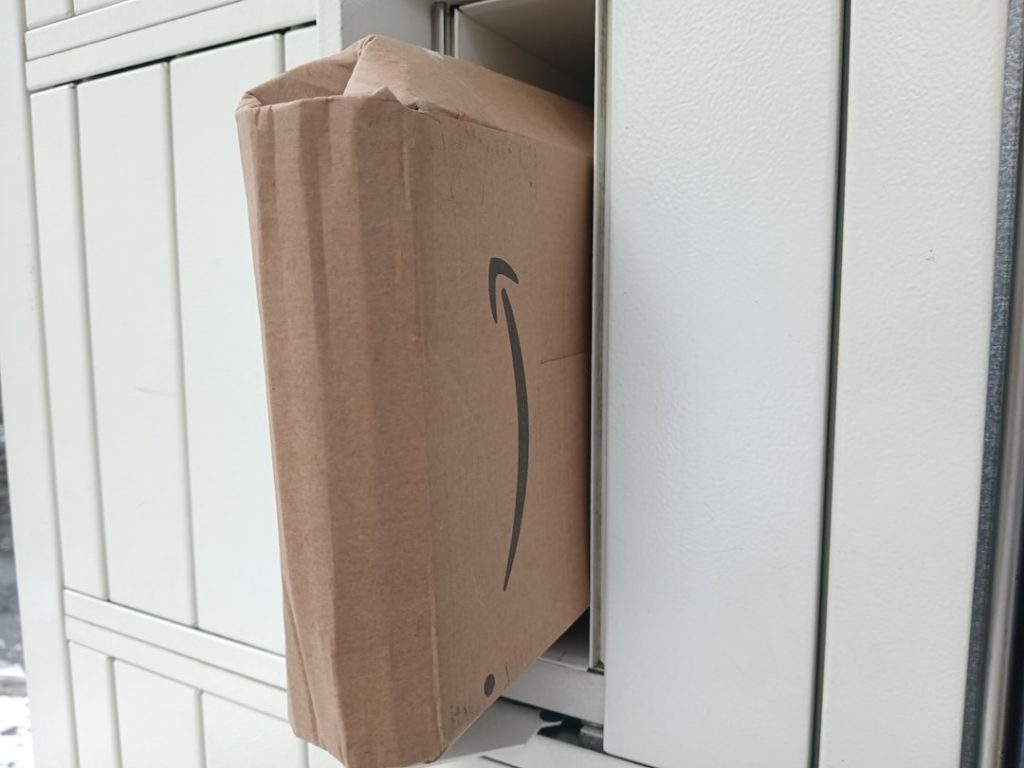
Amazon Seller Central serves as the primary platform for third-party sellers to manage their sales on Amazon. This web-based interface allows sellers to list products, manage inventory, process orders, and analyze sales performance. The platform is designed to be user-friendly, yet it encompasses a wide array of features that can be overwhelming for newcomers.
Sellers can choose between two primary selling plans: the Individual plan, which charges a fee per item sold, and the Professional plan, which incurs a monthly subscription fee but offers additional features such as bulk listing tools and access to advanced selling reports. Navigating Seller Central requires a solid understanding of its various components. The dashboard provides an overview of sales metrics, including total sales, order volume, and customer feedback.

Sellers can also access tools for managing product listings, including the ability to create new listings or edit existing ones. Additionally, Seller Central offers insights into customer behavior, allowing sellers to tailor their strategies based on data-driven decisions. Familiarity with the platform is crucial for optimizing sales and ensuring a smooth operational flow.
Key Takeaways
- Master Amazon Seller Central to effectively manage your online store.
- Optimize product listings with clear titles, descriptions, and keywords to boost visibility.
- Use Amazon Advertising to increase product reach and drive sales.
- Manage inventory and fulfillment efficiently to ensure timely delivery and customer satisfaction.
- Continuously monitor performance metrics and stay updated on Amazon policies to maintain a competitive edge.
Optimizing Product Listings

Creating an effective product listing is essential for attracting potential buyers and converting views into sales. The first step in optimizing a listing is crafting a compelling title that includes relevant keywords. A well-structured title not only improves search visibility but also provides customers with a clear understanding of the product.
For instance, instead of simply naming a product “Bluetooth Speaker,” a more descriptive title like “Portable Bluetooth Speaker with 20-Hour Battery Life and Waterproof Design” can significantly enhance click-through rates. Beyond the title, high-quality images play a pivotal role in product listings. Amazon allows multiple images per listing, and sellers should take advantage of this by showcasing their products from various angles and in different contexts.
Lifestyle images that depict the product in use can help customers visualize its application in their lives. Additionally, including informative bullet points and a detailed product description can further enhance the listing’s appeal. Bullet points should highlight key features and benefits, while the description can delve into specifics that answer potential customer questions.
Utilizing Amazon Advertising

Amazon Advertising offers sellers a powerful way to increase visibility and drive traffic to their listings. The platform provides several advertising options, including Sponsored Products, Sponsored Brands, and Sponsored Display ads. Sponsored Products are particularly effective for new sellers looking to gain traction; these ads appear in search results and on product detail pages, making them highly visible to potential buyers actively searching for related items.
To maximize the effectiveness of Amazon Advertising, sellers should conduct thorough keyword research to identify terms that potential customers are using to find similar products. Tools like Amazon’s own Keyword Tool or third-party software can assist in uncovering high-traffic keywords. Once the right keywords are identified, sellers can create targeted ad campaigns that focus on these terms.
Monitoring ad performance is crucial; sellers should regularly analyze metrics such as click-through rates (CTR) and conversion rates to refine their advertising strategies and allocate budgets effectively.
Managing Inventory and Fulfillment
Effective inventory management is vital for maintaining a successful Amazon business. Sellers must ensure they have adequate stock levels to meet demand while avoiding overstock situations that can lead to increased storage fees or unsold inventory. Utilizing inventory management software can streamline this process by providing real-time data on stock levels, sales trends, and reorder points.
This allows sellers to make informed decisions about when to restock and how much inventory to order. Fulfillment options also play a significant role in inventory management. Sellers can choose between Fulfillment by Merchant (FBM) or Fulfillment by Amazon (FBA).
FBM allows sellers to handle shipping and customer service themselves, which can be cost-effective for those with lower sales volumes or niche products. Conversely, FBA offers the advantage of Amazon’s logistics network, enabling faster shipping times and eligibility for Prime status. This can significantly enhance customer satisfaction and increase sales potential, as many customers prefer the convenience of Prime shipping.
Providing Excellent Customer Service
| Metric | Description | Typical Range / Value | Importance |
|---|---|---|---|
| Order Defect Rate (ODR) | Percentage of orders with negative feedback, A-to-Z claims, or chargebacks | Less than 1% | High – affects account health and selling privileges |
| Cancellation Rate | Percentage of orders canceled by the seller before shipment | Less than 2.5% | High – impacts customer experience and account standing |
| Late Shipment Rate | Percentage of orders shipped after the expected ship date | Less than 4% | High – affects customer satisfaction and account health |
| Buy Box Percentage | Percentage of time a seller wins the Buy Box on product listings | Varies widely, often 20% to 80% | High – directly impacts sales volume |
| Customer Feedback Rating | Average star rating from customer reviews | 4.0 to 5.0 stars | High – influences buyer trust and sales |
| Fulfillment Method | Type of fulfillment used (FBA, FBM, SFP) | FBA (Fulfillment by Amazon), FBM (Fulfillment by Merchant), SFP (Seller Fulfilled Prime) | Medium – affects shipping speed and customer experience |
| Advertising Cost of Sales (ACoS) | Percentage of ad spend relative to sales generated | Typically 15% to 30% | Medium – measures advertising efficiency |
| Inventory Turnover | Rate at which inventory is sold and replaced | Varies by category, often 4 to 12 times per year | Medium – impacts cash flow and storage fees |
Customer service is a cornerstone of any successful e-commerce business, and Amazon is no exception. Providing timely and effective support can lead to positive reviews and repeat business. Sellers should be proactive in addressing customer inquiries and concerns, responding promptly to messages through Seller Central.
Establishing clear communication channels helps build trust with customers and enhances their overall shopping experience. In addition to direct communication, sellers should also focus on managing their product reviews and feedback ratings. Positive reviews not only improve a seller’s reputation but also influence potential buyers’ purchasing decisions.
Encouraging satisfied customers to leave reviews can be beneficial; however, sellers must adhere to Amazon’s policies regarding solicitation of reviews. Addressing negative feedback constructively is equally important; resolving issues amicably can turn dissatisfied customers into loyal advocates for the brand.
Monitoring and Analyzing Performance Metrics

To thrive on Amazon, sellers must continuously monitor their performance metrics. Key performance indicators (KPIs) such as sales volume, conversion rates, and return rates provide valuable insights into how well a seller’s products are performing in the marketplace. Seller Central offers various reporting tools that allow sellers to track these metrics over time, enabling them to identify trends and make data-driven decisions.
For instance, if a seller notices a decline in conversion rates for a particular product, it may indicate that the listing needs optimization or that there is increased competition in the market. By analyzing customer behavior through metrics like cart abandonment rates or session duration, sellers can gain deeper insights into potential barriers preventing purchases. Regularly reviewing these metrics not only helps in identifying areas for improvement but also aids in setting realistic sales goals and forecasting future performance.
Leveraging Amazon Prime and FBA
Amazon Prime membership has become synonymous with fast shipping and exclusive deals, making it an essential consideration for sellers looking to maximize their reach. By enrolling in Fulfillment by Amazon (FBA), sellers can automatically qualify their products for Prime eligibility, which significantly enhances visibility among Prime members who prioritize quick delivery options. This can lead to increased sales as many consumers filter their searches to show only Prime-eligible products.
FBA also alleviates the logistical burdens associated with order fulfillment. Amazon handles storage, packing, shipping, and even customer service for FBA orders, allowing sellers to focus on other aspects of their business such as marketing and product development. Moreover, FBA provides access to Amazon’s vast logistics network, ensuring that products are delivered efficiently across various regions.
This not only improves customer satisfaction but also enhances the seller’s credibility on the platform.
Staying Updated on Amazon Policies and Best Practices
The e-commerce landscape is constantly evolving, and staying informed about Amazon’s policies and best practices is crucial for long-term success as a seller. Amazon frequently updates its guidelines regarding product listings, advertising practices, and seller performance standards. Sellers must regularly review these updates to ensure compliance and avoid potential penalties or account suspensions.
Engaging with seller communities through forums or social media groups can also provide valuable insights into best practices shared by experienced sellers. These communities often discuss recent changes in policies or share tips on navigating challenges within the platform. Additionally, attending webinars or training sessions offered by Amazon can further enhance a seller’s understanding of effective selling strategies and operational efficiencies.
By maintaining an awareness of both Amazon’s policies and industry trends, sellers can adapt their strategies accordingly and position themselves for sustained growth within the competitive e-commerce landscape.


