
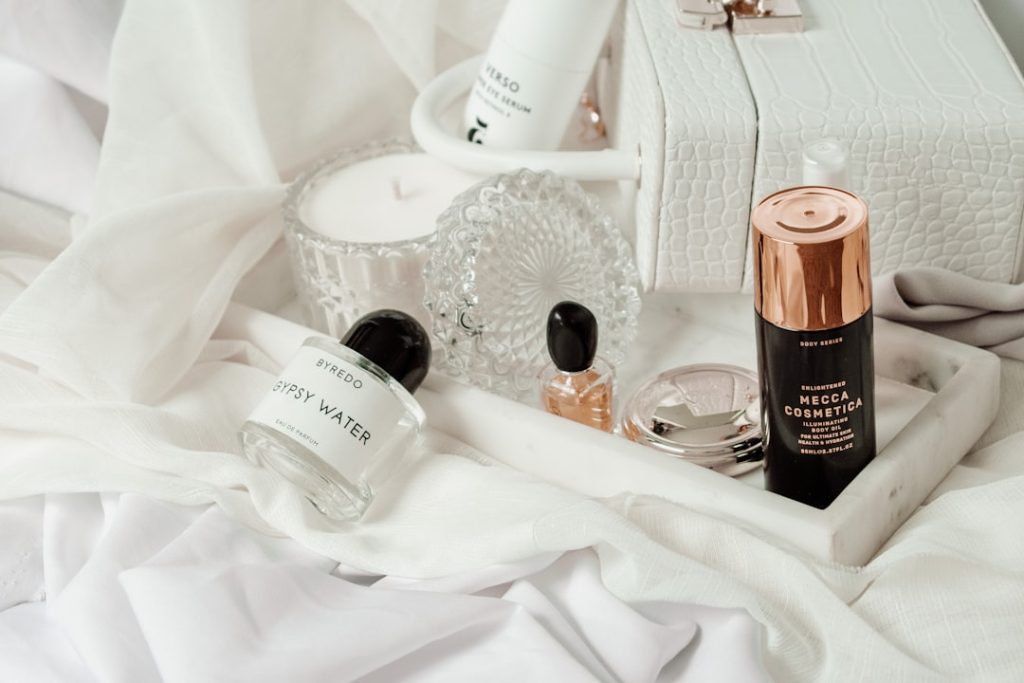
Cleansers and exfoliators form the cornerstone of any effective skincare routine, serving as the first line of defense against dirt, oil, and impurities that accumulate on the skin’s surface. Cleansers come in various formulations, including gels, creams, oils, and micellar waters, each designed to cater to different skin types and concerns. For instance, gel cleansers are often favored by those with oily or acne-prone skin due to their ability to deeply cleanse pores and remove excess sebum.
On the other hand, cream cleansers are typically more hydrating and suitable for dry or sensitive skin, as they help maintain the skin’s moisture barrier while effectively removing makeup and impurities. Exfoliation is equally crucial in maintaining healthy skin. It involves the removal of dead skin cells from the surface, promoting cell turnover and revealing a brighter, more radiant complexion.

Exfoliators can be categorized into physical and chemical types. Physical exfoliators contain granules or beads that manually slough off dead skin, while chemical exfoliators utilize acids like alpha-hydroxy acids (AHAs) or beta-hydroxy acids (BHAs) to dissolve the bonds holding dead skin cells together. For example, glycolic acid, an AHA derived from sugar cane, is renowned for its ability to penetrate the skin deeply and enhance texture, making it a popular choice in many skincare products.
Regular exfoliation can help prevent clogged pores, reduce the appearance of fine lines, and improve overall skin tone.
Key Takeaways
- Proper cleansing and exfoliation are essential for maintaining healthy skin.
- Moisturizers and serums help hydrate and target specific skin concerns.
- Sunscreens protect the skin from harmful UV rays and prevent premature aging.
- Face masks and treatments provide deep nourishment and address various skin issues.
- Using the right tools and accessories enhances the effectiveness of skincare and makeup routines.

Moisturizers and Serums
Moisturizers and serums play a pivotal role in hydrating the skin and addressing specific concerns. A good moisturizer not only hydrates but also locks in moisture, creating a protective barrier that prevents water loss. Formulations vary widely; for instance, lightweight gel moisturizers are ideal for oily skin types as they provide hydration without feeling heavy or greasy.
Conversely, cream-based moisturizers are often richer and more emollient, making them suitable for dry or mature skin that requires additional nourishment. Serums, on the other hand, are concentrated formulations designed to deliver active ingredients directly into the skin. They typically have a lighter consistency than moisturizers and are packed with potent ingredients targeting specific issues such as hyperpigmentation, fine lines, or uneven texture.
For example, a vitamin C serum can brighten the complexion and reduce dark spots due to its antioxidant properties. Hyaluronic acid serums are also popular for their ability to attract moisture to the skin, providing a plumping effect that can diminish the appearance of fine lines. The layering of serums beneath moisturizers allows for a customized approach to skincare, enabling individuals to address multiple concerns simultaneously.
Sunscreens and SPF Products
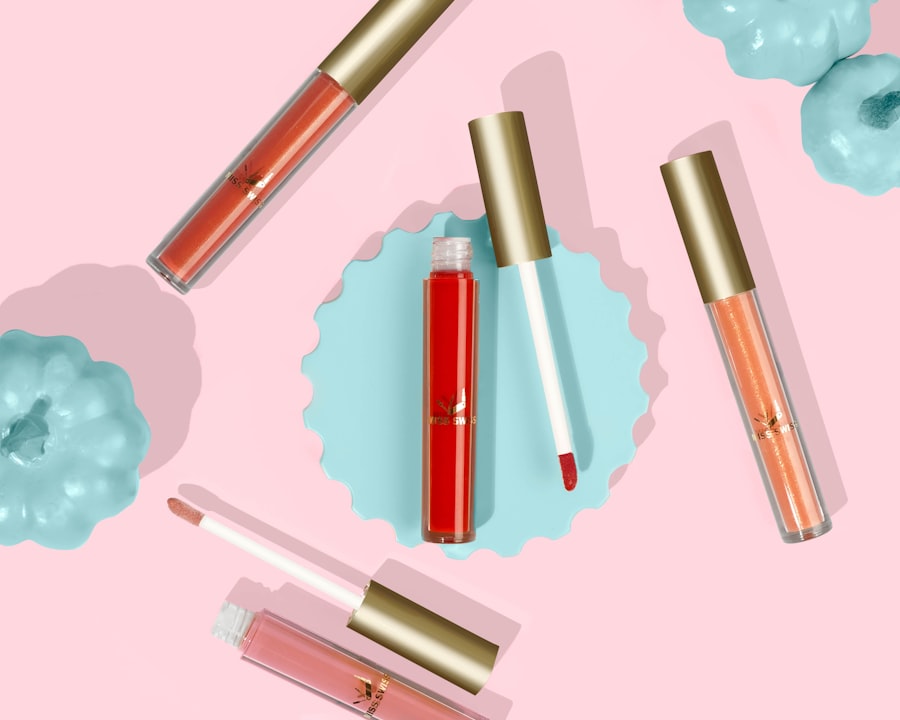
The importance of sunscreens and SPF products cannot be overstated in any skincare regimen. Ultraviolet (UV) radiation from the sun is a leading cause of premature aging and skin cancer, making daily sun protection essential. Sunscreens are categorized into two main types: chemical and physical (or mineral).
Chemical sunscreens absorb UV radiation through their chemical ingredients, such as avobenzone or octisalate, while physical sunscreens contain mineral ingredients like zinc oxide or titanium dioxide that sit on top of the skin and reflect UV rays. Choosing the right sunscreen involves considering factors such as skin type, lifestyle, and desired finish. For instance, individuals with oily or acne-prone skin may prefer a lightweight gel or fluid sunscreen that offers a matte finish without clogging pores.
In contrast, those with dry skin might opt for a creamier formulation that provides additional hydration. Broad-spectrum protection is crucial; this means the product protects against both UVA and UVB rays. The SPF number indicates the level of protection against UVB rays specifically; for daily use, an SPF of 30 is generally recommended as it blocks approximately 97% of UVB rays.
Face Masks and Treatments
Face masks and treatments offer an opportunity for targeted skincare solutions that can enhance the overall health and appearance of the skin. These products come in various forms—sheet masks, clay masks, peel-off masks, and overnight masks—each designed to address specific concerns such as hydration, detoxification, or brightening. For example, clay masks are particularly effective for oily or acne-prone skin as they draw out impurities and excess oil while providing a deep cleanse.
Sheet masks have gained immense popularity due to their convenience and effectiveness. Infused with serums rich in active ingredients like hyaluronic acid or niacinamide, they deliver intense hydration and nourishment in a short amount of time. Overnight masks provide an added layer of moisture while you sleep, allowing for maximum absorption of beneficial ingredients without interference from makeup or environmental factors.
Incorporating these masks into a weekly skincare routine can provide a boost to overall skin health and allow for a more personalized approach to addressing individual concerns.
Makeup and Cosmetics
| Product Name | Category | Average Rating | Number of Reviews | Price Range | Best Seller Rank |
|---|---|---|---|---|---|
| Revlon One-Step Hair Dryer & Volumizer | Hair Care | 4.5 | 120,000 | 40 – 60 | #1 in Hair Dryers |
| Olay Regenerist Micro-Sculpting Cream | Skincare | 4.6 | 35,000 | 25 – 35 | #3 in Facial Moisturizers |
| Maybelline Lash Sensational Mascara | Makeup | 4.4 | 50,000 | 8 – 12 | #2 in Mascaras |
| Neutrogena Hydro Boost Water Gel | Skincare | 4.7 | 45,000 | 15 – 25 | #1 in Face Moisturizers |
| Essence Lash Princess False Lash Effect Mascara | Makeup | 4.3 | 20,000 | 5 – 8 | Top 10 in Mascaras |
Makeup and cosmetics serve not only as tools for enhancing beauty but also as products that can contribute positively to skincare routines. The evolution of makeup formulations has led to the development of products infused with beneficial ingredients such as hyaluronic acid, antioxidants, and vitamins. Foundations with SPF protection not only provide coverage but also shield the skin from harmful UV rays during daily activities.
The choice of makeup products can significantly impact skin health. For instance, non-comedogenic foundations are formulated to avoid clogging pores, making them suitable for acne-prone individuals. Additionally, mineral makeup options often contain fewer irritants and can be gentler on sensitive skin types.
The rise of clean beauty has also prompted brands to create cosmetics free from harmful chemicals like parabens and sulfates, focusing instead on natural ingredients that nourish the skin while providing coverage.
Hair Care and Styling Products
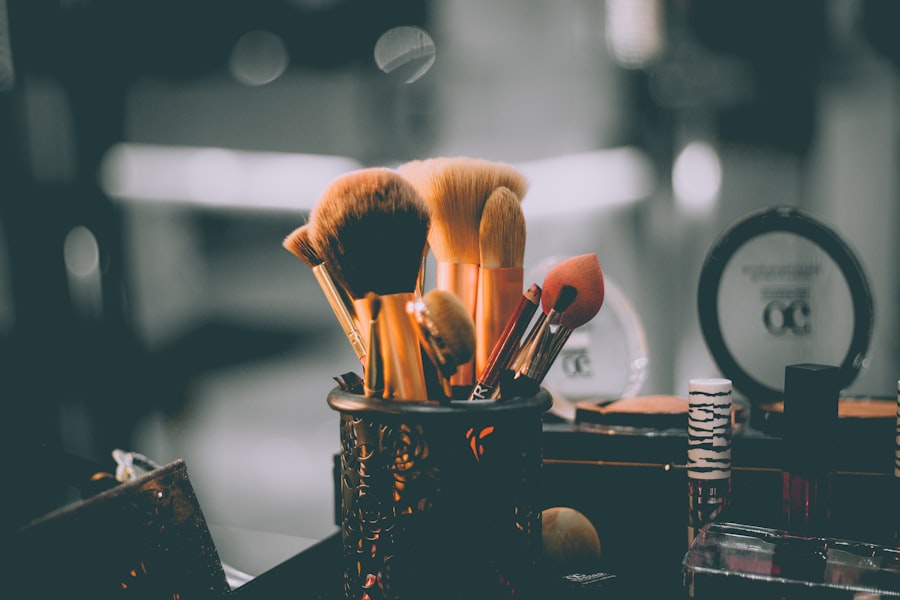
Hair care is an integral part of personal grooming that often goes hand-in-hand with skincare routines. The health of hair can be influenced by various factors including diet, environmental conditions, and the products used for cleansing and styling. Shampoos and conditioners are foundational products in hair care; they cleanse the scalp while providing moisture and nourishment to the hair strands.
Sulfate-free shampoos have gained popularity due to their gentler formulation that helps maintain natural oils without stripping hair of its moisture. Styling products such as serums, gels, and sprays play a crucial role in achieving desired hairstyles while protecting hair from damage caused by heat styling tools. For example, heat protectant sprays create a barrier against high temperatures from blow dryers or flat irons, minimizing potential damage.
Additionally, leave-in conditioners can provide ongoing hydration throughout the day while taming frizz and enhancing shine. The choice of hair care products should align with individual hair types—whether straight, wavy, curly, or coily—as well as specific concerns like dryness or color-treated hair.
Body Lotions and Oils
Body lotions and oils are essential for maintaining skin hydration beyond just the face. The skin on the body can often become dry due to environmental factors such as cold weather or low humidity levels. Body lotions typically contain emollients that help soften the skin while occlusives create a barrier to lock in moisture.
Formulations may vary from lightweight lotions suitable for warmer months to richer creams designed for intense hydration during winter. Body oils have also gained traction as luxurious alternatives to traditional lotions. They often contain nourishing oils such as jojoba oil or argan oil that not only hydrate but also impart a healthy glow to the skin.
Oils can be particularly beneficial for areas prone to dryness like elbows or knees. Additionally, many body oils are infused with essential oils that provide aromatherapy benefits while moisturizing the skin. Incorporating body lotions or oils into daily routines can significantly improve overall skin texture and appearance.
Tools and Accessories
The use of tools and accessories in skincare has become increasingly popular as individuals seek to enhance their routines further. Facial rollers made from materials like jade or rose quartz have gained attention for their purported benefits in promoting lymphatic drainage and reducing puffiness. These tools can be used alongside serums or oils to enhance absorption while providing a soothing massage effect.
Other accessories such as cleansing brushes or silicone scrubbers can elevate cleansing routines by providing gentle exfoliation while ensuring thorough removal of makeup and impurities. Additionally, tools like gua sha stones are used in traditional Chinese medicine practices to promote circulation and improve skin elasticity through gentle scraping motions along the face. The incorporation of these tools not only adds an element of self-care but also allows individuals to customize their skincare routines based on personal preferences and needs.
In summary, each category within skincare—from cleansers to tools—plays a vital role in achieving healthy skin and enhancing overall beauty routines. Understanding the unique properties of each product type allows individuals to make informed choices tailored to their specific needs and preferences.


