

The Amazon Marketplace is a vast and dynamic platform that connects millions of buyers and sellers worldwide. It operates as a third-party selling platform, allowing individuals and businesses to list their products alongside Amazon’s own offerings. This unique structure creates a competitive environment where sellers can reach a global audience, tapping into Amazon’s extensive customer base.
The marketplace is not just a sales channel; it is a comprehensive ecosystem that includes various features such as customer reviews, product recommendations, and fulfillment services, all designed to enhance the shopping experience. Navigating the Amazon Marketplace requires an understanding of its various components. Sellers must familiarize themselves with the different selling plans available, such as the Individual and Professional plans, each catering to different business needs.

The Individual plan is ideal for those who sell fewer than 40 items per month, while the Professional plan is suited for higher-volume sellers who require advanced tools and features. Additionally, understanding Amazon’s policies, including pricing strategies, product restrictions, and performance metrics, is crucial for success. Sellers must also be aware of the competitive landscape, as they will be vying for visibility against numerous other listings in their category.
Key Takeaways
- Grasp the fundamentals of how the Amazon Marketplace operates to effectively sell products.
- Create and configure your Amazon Seller Account properly to start listing items.
- Enhance product listings with optimized titles, descriptions, and images to boost visibility.
- Leverage Amazon Advertising options to increase product exposure and sales.
- Use inventory management and fulfillment strategies to ensure timely delivery and customer satisfaction.
Setting Up Your Amazon Seller Account

Creating an Amazon Seller Account is the first step toward establishing a presence on the platform. The process begins with selecting the appropriate selling plan based on your business model and sales volume. Once you have chosen a plan, you will need to provide essential information such as your business name, address, and tax identification details.
This information is critical for Amazon to verify your identity and ensure compliance with its policies. After setting up your account, sellers must also consider the importance of branding. A well-defined brand identity can significantly impact customer perception and trust.
This includes creating a compelling seller profile that highlights your business values, product offerings, and unique selling propositions. Additionally, sellers should invest time in understanding Amazon’s guidelines for product listings and images to ensure compliance and maximize visibility. A well-structured account not only facilitates smoother operations but also lays the groundwork for future growth on the platform.
Optimizing Your Product Listings
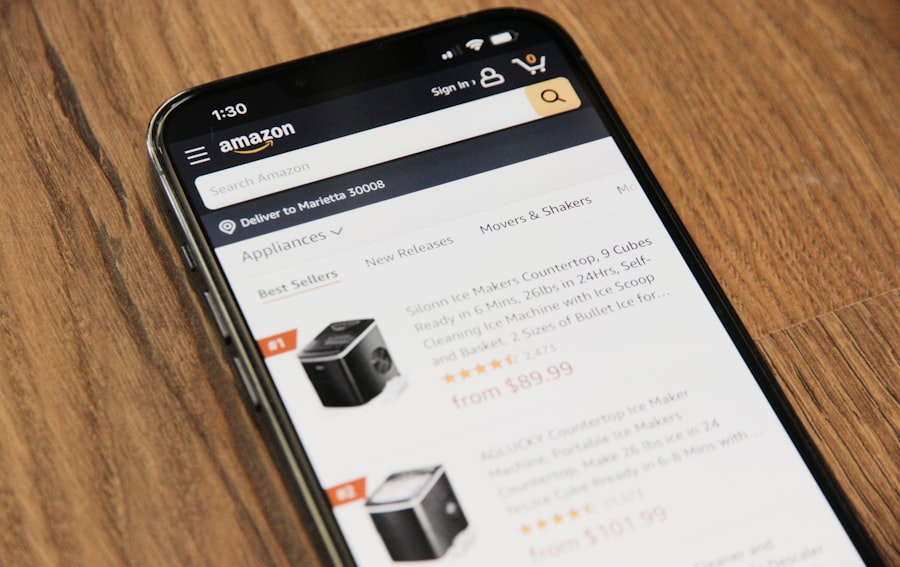
Product listing optimization is a vital aspect of succeeding on Amazon. The goal is to create listings that are not only informative but also appealing to potential buyers. This begins with crafting compelling product titles that include relevant keywords while remaining concise and descriptive.
A well-optimized title can significantly improve search visibility, making it easier for customers to find your products. In addition to titles, product descriptions play a crucial role in conversion rates. Sellers should focus on highlighting key features and benefits in a clear and engaging manner.
Utilizing bullet points can enhance readability and allow customers to quickly grasp essential information. High-quality images are equally important; they should showcase the product from multiple angles and in various contexts to give customers a comprehensive view. Furthermore, incorporating customer reviews and ratings can bolster credibility and influence purchasing decisions, as many buyers rely on social proof when making choices.
Utilizing Amazon Advertising
Amazon Advertising offers sellers powerful tools to promote their products effectively within the marketplace. Sponsored Products is one of the most popular advertising options, allowing sellers to bid on keywords to have their products displayed prominently in search results. This pay-per-click model enables sellers to gain visibility among potential buyers actively searching for similar items.
Another effective advertising strategy is Sponsored Brands, which allows sellers to showcase multiple products under their brand name at the top of search results. This format not only increases brand awareness but also drives traffic to a dedicated landing page featuring a curated selection of products. Additionally, utilizing Amazon DSP (Demand-Side Platform) enables sellers to reach audiences beyond Amazon through programmatic advertising across various websites and apps.
By leveraging these advertising tools strategically, sellers can enhance their visibility, drive traffic to their listings, and ultimately increase sales.
Managing Your Inventory and Fulfillment
| Metric | Description | Typical Value/Range |
|---|---|---|
| Monthly Active Sellers | Number of sellers actively listing products on Amazon | Over 2 million |
| Product Categories | Number of different product categories available for sellers | 20+ major categories |
| Fulfillment Options | Types of fulfillment services offered to sellers | Fulfillment by Amazon (FBA), Fulfillment by Merchant (FBM) |
| Seller Fees | Fees charged to sellers per sale or subscription | Referral fees vary by category (6%-45%), Subscription fee approx. 39.99/month |
| Average Seller Rating | Average customer feedback rating for sellers | 4.5 out of 5 stars |
| Buy Box Win Rate | Percentage of time sellers win the Buy Box on product pages | Varies widely, often 20%-80% |
| Return Rate | Percentage of products returned by customers | Typically 5%-10% |
| Average Shipping Time | Time taken to ship products to customers | 1-3 days (FBA), varies for FBM |
Effective inventory management is crucial for maintaining a successful Amazon business. Sellers must keep track of stock levels to avoid running out of popular items or overstocking less popular ones. Utilizing inventory management software can streamline this process by providing real-time data on stock levels, sales trends, and reorder alerts.
This proactive approach helps sellers make informed decisions about restocking and can prevent potential losses due to stockouts or excess inventory. Fulfillment options also play a significant role in managing an Amazon business. Sellers can choose between Fulfillment by Amazon (FBA) or Fulfillment by Merchant (FBM).
FBA allows sellers to store their products in Amazon’s warehouses, where Amazon handles storage, shipping, and customer service on their behalf. This option can enhance customer trust due to Amazon’s reliable shipping and return policies. On the other hand, FBM gives sellers more control over their inventory and fulfillment processes but requires them to manage shipping logistics themselves.
Each option has its advantages and challenges, so sellers must evaluate their business model and resources when deciding which fulfillment method to adopt.
Providing Excellent Customer Service

Customer service is a cornerstone of success on the Amazon Marketplace. Providing exceptional service not only fosters customer loyalty but also positively impacts seller ratings and feedback scores. Responding promptly to customer inquiries and addressing concerns can significantly enhance the overall shopping experience.
Sellers should aim to maintain open lines of communication with customers, ensuring that they feel valued and heard throughout their purchasing journey. Additionally, handling returns and refunds efficiently is essential for maintaining a positive reputation on the platform. Amazon has specific policies regarding returns that sellers must adhere to, but going above and beyond in this area can set a seller apart from competitors.
Offering hassle-free returns or exchanges can lead to positive reviews and repeat business. Furthermore, actively soliciting feedback from customers can provide valuable insights into areas for improvement while demonstrating a commitment to customer satisfaction.
Utilizing Amazon Seller Tools and Analytics
Amazon provides a suite of tools and analytics that can help sellers optimize their performance on the platform. The Seller Central dashboard offers insights into sales performance, inventory levels, and customer feedback, allowing sellers to make data-driven decisions. By analyzing sales trends over time, sellers can identify peak seasons or underperforming products, enabling them to adjust their strategies accordingly.
Moreover, tools like A/B testing for product listings allow sellers to experiment with different titles, images, or descriptions to determine which variations yield better conversion rates. Understanding key performance indicators (KPIs) such as conversion rate, click-through rate (CTR), and return on investment (ROI) is essential for evaluating the effectiveness of marketing efforts and inventory management strategies. By leveraging these analytics tools effectively, sellers can refine their approach continuously and drive sustainable growth within the Amazon Marketplace.
Expanding Your Reach with Amazon Global Selling
Amazon Global Selling presents an exciting opportunity for sellers looking to expand their reach beyond domestic markets. This program allows sellers to list their products on various international Amazon marketplaces, tapping into new customer bases across different countries. To successfully navigate this expansion, sellers must consider factors such as local regulations, shipping logistics, and cultural differences in consumer behavior.
Understanding international market dynamics is crucial for tailoring marketing strategies effectively. For instance, product preferences may vary significantly from one country to another; therefore, conducting thorough market research is essential before launching products in new regions. Additionally, optimizing product listings for local languages and currencies can enhance the shopping experience for international customers.
By embracing the potential of Amazon Global Selling, sellers can significantly broaden their market presence and drive revenue growth through international sales channels. In conclusion, succeeding on the Amazon Marketplace requires a multifaceted approach that encompasses understanding the platform’s intricacies, optimizing product listings, leveraging advertising tools, managing inventory effectively, providing excellent customer service, utilizing analytics tools for continuous improvement, and exploring global selling opportunities. Each of these elements plays a vital role in building a successful Amazon business that can thrive in an increasingly competitive landscape.


