
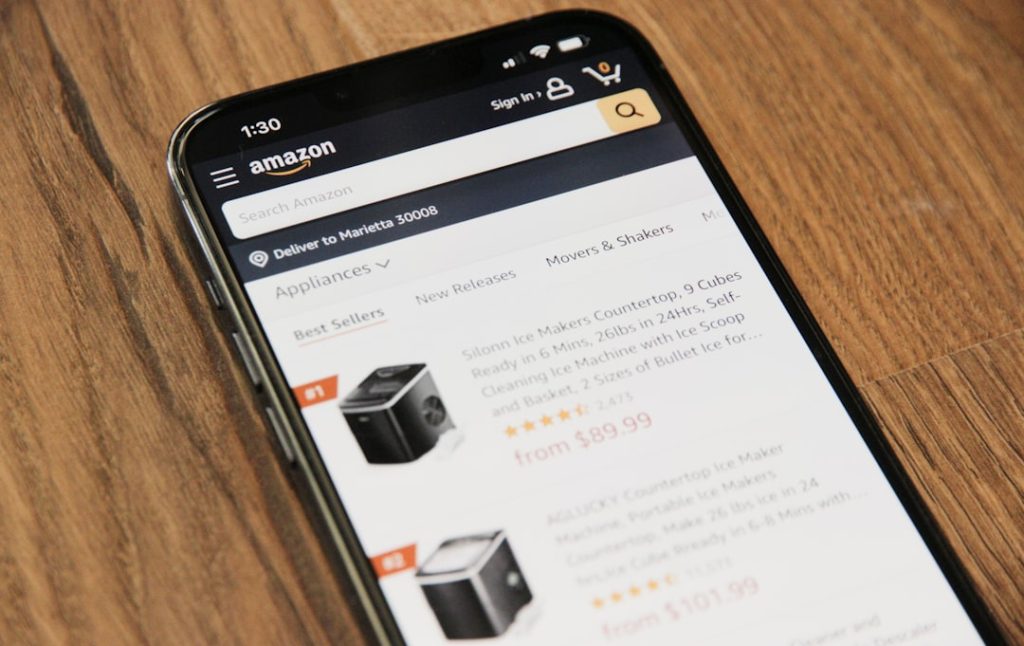
The Amazon Seller Individual Account is designed for those who wish to sell products on Amazon without the commitment of a monthly subscription fee. This account type is particularly appealing to casual sellers or those just starting their e-commerce journey. Unlike the Professional Seller Account, which incurs a monthly fee, the Individual Account charges sellers a per-item fee for each sale made.
This structure allows sellers to dip their toes into the vast Amazon marketplace without a significant upfront investment, making it an attractive option for hobbyists or those testing the waters of online selling. One of the key features of the Individual Account is its simplicity. Sellers can list up to 40 items per month without needing to pay a subscription fee, which is ideal for those who may not have a large inventory or who are selling seasonal items.

However, it’s important to note that while the Individual Account offers a lower barrier to entry, it also comes with limitations. For instance, sellers using this account type do not have access to advanced selling tools and reports that are available to Professional Sellers. This can impact their ability to scale their business effectively.
Understanding these nuances is crucial for anyone considering entering the Amazon marketplace.
Key Takeaways
- An Amazon Seller Individual Account is ideal for those starting with low sales volume and no monthly subscription fee.
- Setting up the account involves registering, providing tax information, and linking a payment method.
- Effective product listings require clear titles, detailed descriptions, and high-quality images to attract buyers.
- Utilizing Amazon marketing tools like Sponsored Products can boost product visibility and increase sales.
- Regularly monitoring performance metrics helps sellers adjust strategies to maximize profits and improve customer satisfaction.

Setting Up Your Amazon Seller Individual Account
Setting up an Amazon Seller Individual Account is a straightforward process that can be completed in just a few steps. First, prospective sellers need to visit the Amazon Services website and click on the “Start Selling” button. This action will prompt them to log in with their existing Amazon account or create a new one if they do not already have an account.
It’s essential to have a valid email address and a strong password, as these will be used for account management and security purposes. Once logged in, sellers will be guided through a series of prompts to provide necessary information, including their business name, address, and tax identification details. Amazon requires this information to comply with tax regulations and ensure that sellers are legitimate.
Additionally, sellers must provide a bank account number for payment processing, as this is where Amazon will deposit funds from sales. After completing these steps, sellers can review their information and submit their application. Approval is typically swift, allowing sellers to start listing products almost immediately.
Listing Your Products on Amazon

After setting up an account, the next step is to list products for sale on Amazon. This process begins with selecting the appropriate category for the items being sold. Amazon has a vast array of categories ranging from electronics to clothing, and choosing the right one is crucial for ensuring that potential buyers can find the products easily.
Sellers can either create new listings for unique products or match existing listings if they are selling items that are already available on Amazon. When creating a new listing, sellers must provide detailed information about their products, including titles, descriptions, images, and pricing. High-quality images are particularly important as they significantly influence purchasing decisions; products with clear, professional-looking photos tend to attract more buyers.
Additionally, sellers should craft compelling product descriptions that highlight key features and benefits while incorporating relevant keywords to improve search visibility. This attention to detail in product listings can make a substantial difference in attracting customers and driving sales.
Optimizing Your Product Listings for Maximum Visibility
To maximize visibility on Amazon, sellers must engage in effective optimization strategies for their product listings. One of the most critical aspects of optimization is keyword research. Sellers should identify relevant keywords that potential customers are likely to use when searching for products similar to theirs.
Tools like Amazon’s own search bar can provide insights into popular search terms, as it auto-suggests phrases based on user queries. Incorporating these keywords naturally into product titles and descriptions can enhance search rankings within Amazon’s algorithm. Another vital component of optimization is pricing strategy.
Competitive pricing can significantly impact a product’s visibility and attractiveness to buyers. Sellers should regularly monitor competitor prices and adjust their own accordingly while ensuring they maintain profitability. Additionally, utilizing Amazon’s Enhanced Brand Content (EBC) or A+ Content features allows sellers to create visually appealing product descriptions that include additional images and formatted text, further enhancing the customer experience and potentially increasing conversion rates.
Managing Orders and Fulfillment
| Metric | Individual Seller Account |
|---|---|
| Monthly Subscription Fee | None |
| Per Item Sold Fee | 0.99 per item |
| Referral Fees | 6% to 45% depending on category |
| Access to Bulk Listing Tools | No |
| Eligibility for Buy Box | Yes |
| Access to Advanced Selling Reports | No |
| Maximum Number of Items to Sell | No limit, but per item fee applies |
| Best For | Casual or occasional sellers |
Once products are listed and sales begin to roll in, effective order management becomes paramount. Sellers using an Individual Account have the option to fulfill orders themselves or utilize Fulfillment by Amazon (FBA). FBA allows sellers to store their products in Amazon’s warehouses, where Amazon takes care of storage, packaging, and shipping on behalf of the seller.
This service not only streamlines logistics but also provides access to Amazon Prime customers, which can significantly boost sales. For those who choose to manage fulfillment independently, it’s essential to establish a reliable system for processing orders promptly. This includes timely communication with customers regarding shipping times and tracking information.
Maintaining high standards in order fulfillment can lead to positive customer feedback and reviews, which are crucial for building credibility on the platform. Additionally, sellers should be prepared to handle returns efficiently, as managing returns well can enhance customer satisfaction and loyalty.
Utilizing Amazon Marketing Tools to Drive Sales

To further enhance sales potential, sellers should take advantage of Amazon’s marketing tools designed specifically for promoting products within its ecosystem. One of the most effective tools is Sponsored Products, which allows sellers to create pay-per-click advertising campaigns that promote their listings directly in search results and product detail pages. By targeting specific keywords or competitor products, sellers can increase visibility among potential buyers actively searching for similar items.
Another valuable marketing tool is Amazon Promotions, which enables sellers to create special offers such as discounts or limited-time deals. These promotions can attract attention and encourage impulse purchases, especially during peak shopping seasons like Black Friday or Prime Day. Additionally, leveraging social media platforms to drive traffic to Amazon listings can be beneficial; sharing promotions or unique selling points on platforms like Instagram or Facebook can help reach a broader audience and generate interest in products.
Monitoring Your Performance and Making Adjustments
Monitoring performance metrics is crucial for any seller looking to succeed on Amazon. The Seller Central dashboard provides valuable insights into sales performance, customer feedback, and inventory levels. By regularly reviewing these metrics, sellers can identify trends and areas for improvement.
For instance, if certain products are consistently underperforming in terms of sales or receiving negative reviews, it may be necessary to reevaluate pricing strategies or product descriptions. Additionally, keeping an eye on inventory levels is essential to avoid stockouts or overstock situations. Sellers should implement inventory management practices that allow them to forecast demand accurately based on historical sales data and seasonal trends.
Adjusting listings based on performance data—such as tweaking keywords or updating images—can also help improve visibility and conversion rates over time.
Tips for Maximizing Profits with Your Amazon Seller Individual Account
Maximizing profits as an Amazon seller requires strategic planning and execution across various aspects of the business. One effective tip is to focus on niche markets where competition may be lower but demand remains strong. By identifying unique products that cater to specific customer needs or interests, sellers can carve out a profitable space within the marketplace.
Another important strategy is to continuously engage with customers through excellent service and communication. Promptly responding to inquiries and addressing concerns can lead to positive reviews and repeat business. Additionally, utilizing customer feedback to refine product offerings or improve service can create a cycle of continuous improvement that enhances overall profitability.
Finally, staying informed about changes in Amazon policies or market trends is vital for long-term success. Participating in seller forums or groups can provide valuable insights from other experienced sellers and help keep one’s business agile in response to evolving market conditions. By combining these strategies with diligent monitoring of performance metrics, sellers can effectively maximize their profits while operating an Individual Seller Account on Amazon.


