

The rise of the sharing economy has transformed the way people travel and experience new destinations, with Airbnb at the forefront of this revolution. Founded in 2008, Airbnb has grown from a simple platform for renting out spare rooms to a global marketplace that offers millions of listings across various types of accommodations. This evolution has opened up a wealth of opportunities for property owners and investors alike, allowing them to monetize their spaces while providing travelers with unique lodging experiences.
The potential for profitability in Airbnb rentals is significant, as hosts can often earn more than traditional long-term rentals, especially in high-demand areas. Moreover, the flexibility that Airbnb offers is appealing to both hosts and guests. Property owners can choose when to rent out their spaces, allowing them to use their properties for personal use when not hosting guests.

This flexibility can lead to higher occupancy rates during peak travel seasons, maximizing revenue potential. Additionally, the platform’s user-friendly interface and extensive reach mean that hosts can attract a diverse range of guests from around the world. Understanding these dynamics is crucial for anyone looking to enter the Airbnb market, as it sets the stage for strategic decision-making and effective management of rental properties.
Key Takeaways
- Recognize the profitability and demand trends in Airbnb rentals to make informed investment decisions.
- Select properties in desirable locations with amenities that attract target guests for higher occupancy.
- Create compelling listings with professional photos and detailed descriptions to boost bookings.
- Use dynamic pricing and marketing strategies to maximize occupancy rates and revenue.
- Implement efficient management practices and leverage automation tools to streamline operations and scale your business.
Choosing the Right Property for Airbnb

Selecting the right property is a critical step in establishing a successful Airbnb rental. Location plays a pivotal role in determining the attractiveness of a listing. Properties situated in popular tourist destinations, near major attractions, or in vibrant neighborhoods tend to draw more interest from potential guests.
For instance, a cozy apartment in the heart of New York City or a beachfront villa in Miami is likely to attract a steady stream of visitors. However, it’s not just about being in a desirable location; understanding the target demographic is equally important. Families may prefer spacious homes with amenities like kitchens and laundry facilities, while young travelers might seek out trendy studios with easy access to nightlife.
Beyond location, the type of property also influences its appeal. Unique accommodations, such as treehouses, yurts, or converted industrial spaces, can stand out in a crowded market and attract guests looking for memorable experiences. Additionally, considering the property’s condition and necessary renovations is essential.
A well-maintained property with modern amenities can command higher nightly rates and receive better reviews, which are crucial for long-term success on the platform. Conducting thorough market research and analyzing competitors’ listings can provide valuable insights into what types of properties are performing well in specific areas.
Setting Up Your Airbnb Listing for Success
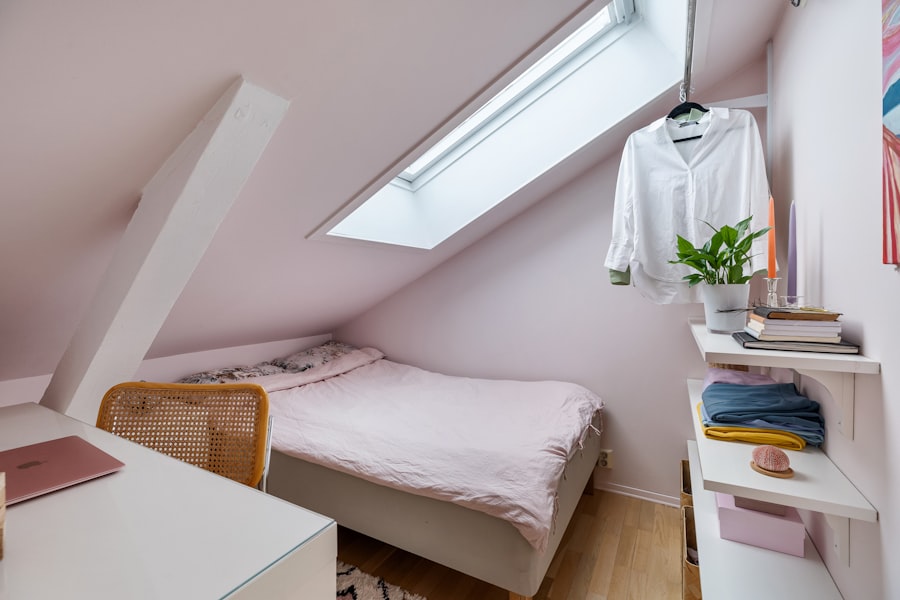
Creating an attractive and informative listing is vital for capturing the attention of potential guests on Airbnb. High-quality photographs are one of the most important elements of a successful listing. Professional images that showcase the property’s best features can significantly increase booking rates.
It’s advisable to include photos of every room, highlighting unique aspects such as outdoor spaces or special amenities like hot tubs or fireplaces. Additionally, using natural light and staging the space can enhance visual appeal, making it more inviting to prospective renters. Equally important is crafting a compelling description that accurately reflects the property while enticing guests to book.
The description should highlight key features, such as proximity to local attractions, unique selling points like a gourmet kitchen or a stunning view, and any amenities that set the property apart from others. Clear communication about house rules, check-in procedures, and cancellation policies is also essential to manage guest expectations effectively. A well-structured listing that combines stunning visuals with engaging text can significantly improve visibility on the platform and lead to higher occupancy rates.
Maximizing Occupancy and Rates
To achieve financial success with an Airbnb rental, hosts must focus on maximizing both occupancy rates and nightly rates. One effective strategy is dynamic pricing, which involves adjusting rates based on demand fluctuations throughout the year. For example, during peak tourist seasons or local events, raising prices can capitalize on increased demand.
Conversely, offering discounts during off-peak times can help maintain occupancy levels when competition is fierce. Tools like Airbnb’s Smart Pricing feature or third-party pricing software can assist hosts in setting competitive rates that reflect market conditions. Another approach to maximizing occupancy is implementing effective marketing strategies beyond the Airbnb platform.
Social media marketing can be particularly powerful; creating an Instagram account dedicated to showcasing the property can attract potential guests through visually appealing content. Collaborating with local businesses or tourism boards can also enhance visibility and create promotional opportunities. Additionally, encouraging satisfied guests to leave positive reviews can significantly impact future bookings, as many travelers rely on reviews when selecting accommodations.
By combining competitive pricing with strategic marketing efforts, hosts can optimize their rental’s performance.
Providing Exceptional Guest Experiences
| Metric | Description | Typical Range | Notes |
|---|---|---|---|
| Average Monthly Income | Estimated monthly earnings from Airbnb rentals | 500 – 3000 | Varies by location and property type |
| Occupancy Rate | Percentage of days the property is booked | 50% – 80% | Higher in popular tourist areas |
| Average Nightly Rate | Typical price charged per night | 50 – 200 | Depends on property size and amenities |
| Cleaning Fee | Additional fee charged for cleaning services | 20 – 100 | Can be passed on to guests |
| Initial Investment | Cost to prepare property for Airbnb listing | 1000 – 10000 | Includes furnishing and marketing |
| Monthly Expenses | Ongoing costs such as utilities, maintenance, and platform fees | 200 – 800 | Reduces net passive income |
| Average Booking Length | Typical number of nights per booking | 2 – 5 | Short stays are common on Airbnb |
| Platform Service Fee | Percentage fee charged by Airbnb per booking | 3% – 15% | Varies by host and guest payment method |
Delivering an exceptional guest experience is paramount for securing positive reviews and repeat bookings on Airbnb. From the moment guests arrive until their departure, every interaction should be designed to exceed expectations. This begins with clear communication prior to check-in; providing detailed instructions on how to access the property and offering local recommendations can set a welcoming tone.
Personal touches, such as leaving a welcome basket with snacks or local treats, can create a memorable first impression. Furthermore, being responsive to guest inquiries during their stay is crucial for maintaining satisfaction. Quick responses to questions about amenities or local attractions demonstrate attentiveness and care for their experience.
After check-out, following up with guests to thank them for their stay and encouraging them to leave feedback can foster goodwill and encourage repeat visits. By prioritizing guest satisfaction and actively seeking ways to enhance their experience, hosts can build a loyal customer base that contributes to long-term success.
Managing Your Airbnb Rental Efficiently
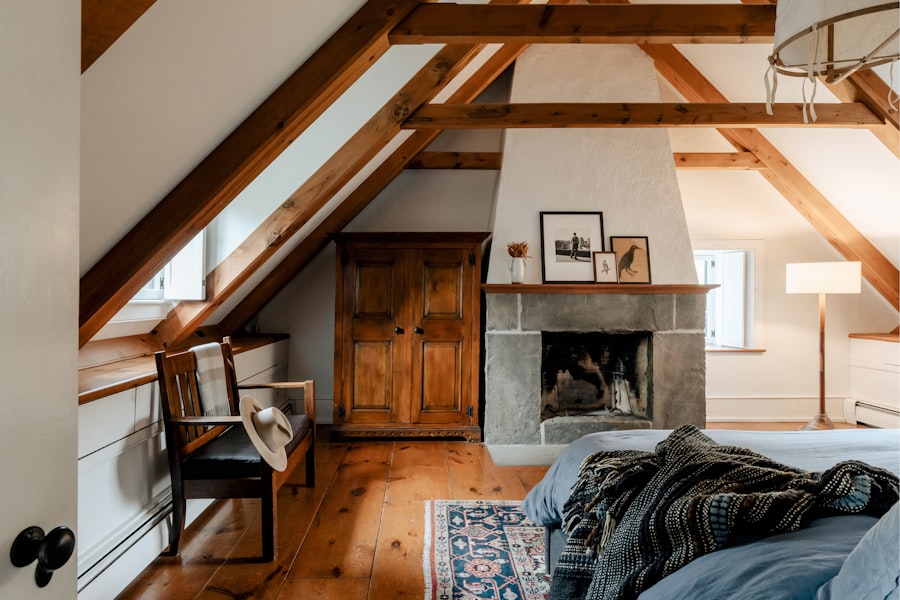
Efficient management of an Airbnb rental is essential for maximizing profitability while minimizing stress for hosts. One key aspect of effective management is establishing streamlined processes for cleaning and maintenance between guest stays. Hiring professional cleaning services can ensure that properties are consistently presented in pristine condition, which is vital for receiving positive reviews.
Additionally, creating a checklist for cleaning tasks can help maintain standards and ensure nothing is overlooked. Another important consideration is managing bookings effectively to avoid double bookings or scheduling conflicts. Utilizing calendar synchronization tools that integrate with multiple booking platforms can help streamline this process.
Furthermore, setting clear policies regarding cancellations and refunds can protect hosts from potential losses while providing transparency for guests. By implementing efficient management practices, hosts can focus more on enhancing guest experiences rather than getting bogged down by operational challenges.
Leveraging Technology and Automation
In today’s digital age, leveraging technology and automation can significantly enhance the efficiency of managing an Airbnb rental. Smart home devices such as keyless entry systems allow hosts to provide seamless check-in experiences without needing to be physically present. These systems not only improve convenience for guests but also enhance security by eliminating the need for physical keys that could be lost or duplicated.
Automation tools can also assist with communication and marketing efforts. For instance, automated messaging systems can send pre-written responses to common guest inquiries or reminders about check-out procedures without requiring constant manual input from hosts. Additionally, property management software can help track bookings, manage finances, and analyze performance metrics all in one place.
By embracing technology and automation, hosts can streamline operations and focus on strategic growth rather than day-to-day tasks.
Scaling Your Airbnb Business
Once a host has established a successful Airbnb rental, scaling the business becomes an enticing prospect. Expanding into multiple properties can significantly increase revenue potential but requires careful planning and execution. One approach is to reinvest profits from existing rentals into acquiring additional properties in high-demand areas or diversifying into different types of accommodations such as vacation homes or boutique hotels.
Networking with other Airbnb hosts or joining local real estate investment groups can provide valuable insights into scaling strategies and best practices. Additionally, considering partnerships with property management companies can alleviate some operational burdens associated with managing multiple listings while still allowing hosts to benefit from increased income streams. As the business grows, maintaining high standards of guest experience becomes even more critical; thus, implementing consistent training protocols for staff or cleaning teams will ensure that quality remains uncompromised across all properties.
By understanding the intricacies of the Airbnb market and employing strategic approaches at each stage—from property selection to guest experience—hosts can unlock significant potential within this dynamic industry. The journey may require dedication and adaptability, but with careful planning and execution, success in the world of Airbnb rentals is well within reach.


