

A Strategic Development Plan (SDP) serves as a comprehensive framework designed to guide an organization, community, or region toward achieving its long-term goals and objectives. It is a systematic approach that integrates various elements of planning, including economic, social, and environmental considerations. The essence of an SDP lies in its ability to provide a clear roadmap that aligns resources, policies, and actions with the overarching vision of growth and sustainability.
By establishing a structured process for decision-making, an SDP enables stakeholders to navigate complex challenges and seize opportunities in an ever-evolving landscape. The development of an SDP typically involves extensive research, stakeholder engagement, and a thorough analysis of existing conditions. This foundational work ensures that the plan is not only relevant but also responsive to the unique needs and aspirations of the community or organization it serves.

As such, an SDP is not merely a static document; it is a living framework that evolves over time, adapting to new information, changing circumstances, and emerging trends. The importance of a well-crafted SDP cannot be overstated, as it lays the groundwork for coordinated efforts that can lead to sustainable economic growth and improved quality of life.
Key Takeaways
- A strategic development plan provides a structured approach to economic revitalization.
- Assessing the current economic situation is crucial for identifying challenges and opportunities.
- Clear goals and targeted initiatives drive effective implementation of revitalization efforts.
- Engaging stakeholders and partnerships enhances collaboration and resource sharing.
- Continuous monitoring ensures progress and supports sustainable long-term growth.
Assessing the Current Economic Situation

A critical first step in developing a Strategic Development Plan is conducting a comprehensive assessment of the current economic situation. This assessment involves gathering quantitative and qualitative data to understand the existing economic landscape, including key indicators such as employment rates, income levels, industry performance, and demographic trends. By analyzing this data, planners can identify strengths and weaknesses within the local economy, providing a solid foundation for informed decision-making.
For instance, consider a small town that has historically relied on manufacturing as its primary economic driver. An assessment might reveal that while manufacturing jobs have declined due to automation and globalization, there is a burgeoning tech sector in nearby urban areas. This insight could prompt local leaders to explore opportunities for workforce development programs aimed at reskilling displaced workers for jobs in technology.
Additionally, understanding the economic impact of external factors such as trade policies or global market trends can help stakeholders anticipate challenges and devise strategies to mitigate risks.
Identifying Key Areas for Revitalization
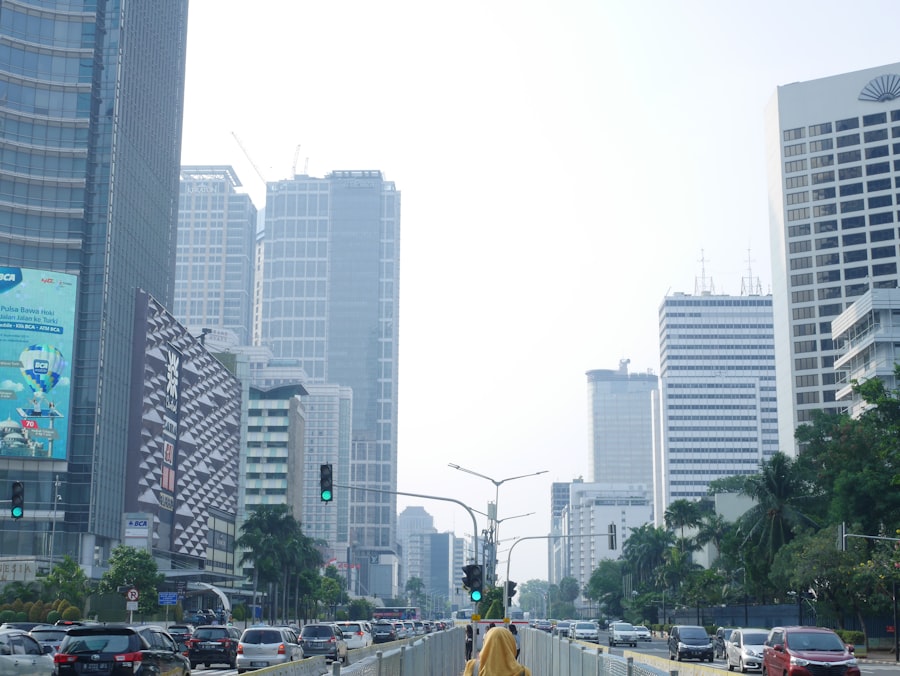
Once the current economic situation has been assessed, the next step is to identify key areas for revitalization. This process involves pinpointing sectors or regions that have the potential for growth and development but may currently be underperforming or neglected. Engaging with community members, business leaders, and other stakeholders during this phase is crucial, as their insights can illuminate opportunities that may not be immediately apparent through data analysis alone.
For example, a coastal city facing declining tourism might discover through stakeholder engagement that there is significant interest in eco-tourism and sustainable practices among both residents and visitors. By focusing on revitalizing its natural assets—such as beaches, parks, and wildlife habitats—the city could develop initiatives that attract eco-conscious travelers while simultaneously fostering local businesses. Identifying these key areas not only helps prioritize resources but also ensures that revitalization efforts are aligned with community values and aspirations.
Setting Specific Goals and Objectives
With key areas for revitalization identified, the next step in the Strategic Development Plan is to set specific goals and objectives. Goals are broad statements that articulate the desired outcomes of the plan, while objectives are measurable steps that outline how those goals will be achieved. Establishing clear goals and objectives is essential for providing direction and focus throughout the implementation process.
For instance, if one of the goals is to increase local employment opportunities, specific objectives might include creating 500 new jobs in targeted industries within five years or launching three workforce development programs aimed at equipping residents with in-demand skills. These objectives should be SMART—Specific, Measurable, Achievable, Relevant, and Time-bound—to ensure they are realistic and attainable. By setting well-defined goals and objectives, stakeholders can maintain momentum and track progress effectively over time.
Implementing Strategic Policies and Initiatives
| Metric | Baseline Value | Target Value (5 Years) | Current Value | Comments |
|---|---|---|---|---|
| GDP Growth Rate (%) | 2.5 | 5.0 | 3.2 | Steady improvement due to industrial diversification |
| Unemployment Rate (%) | 8.0 | 4.0 | 6.5 | Job creation initiatives underway |
| Foreign Direct Investment (FDI) Inflows (in billions) | 1.2 | 3.5 | 2.0 | Improved investment climate attracting investors |
| Infrastructure Development Index | 45 | 75 | 60 | Major projects completed in transport and energy |
| Small and Medium Enterprise (SME) Growth Rate (%) | 3.0 | 7.0 | 4.5 | Support programs for SMEs showing positive results |
| Education Enrollment Rate (%) | 70 | 90 | 80 | Focus on vocational and technical training |
| Poverty Rate (%) | 25 | 10 | 18 | Social programs reducing poverty levels |
The implementation phase of a Strategic Development Plan involves translating goals and objectives into actionable policies and initiatives. This requires collaboration among various stakeholders, including government agencies, private sector partners, non-profit organizations, and community groups. Each entity plays a vital role in executing the plan and ensuring that resources are allocated efficiently.
For example, if a goal is to enhance infrastructure to support economic growth, specific initiatives might include upgrading transportation networks, improving broadband access, or investing in public facilities. These initiatives should be prioritized based on their potential impact and feasibility. Additionally, securing funding through grants, public-private partnerships, or other financing mechanisms is often necessary to bring these initiatives to fruition.
Effective communication throughout this phase is crucial; stakeholders must remain informed about progress and challenges to foster a sense of shared ownership over the plan’s success.
Engaging Stakeholders and Building Partnerships

Engaging stakeholders is a cornerstone of any successful Strategic Development Plan. Stakeholders encompass a diverse array of individuals and organizations with vested interests in the economic development process. Their involvement not only enriches the planning process but also fosters collaboration and buy-in for the initiatives outlined in the plan.
Building partnerships among stakeholders can amplify resources and expertise while enhancing the overall effectiveness of the plan. For instance, local governments may partner with educational institutions to develop training programs tailored to the needs of emerging industries. Similarly, businesses can collaborate with non-profits to support community development initiatives that align with their corporate social responsibility goals.
By fostering these relationships, stakeholders can leverage their collective strengths to drive meaningful change within the community.
Monitoring and Evaluating Progress
Monitoring and evaluating progress is an essential component of a Strategic Development Plan. This ongoing process allows stakeholders to assess whether they are on track to achieve their goals and objectives while identifying areas for improvement along the way. Establishing key performance indicators (KPIs) is critical for measuring success; these metrics should align with the specific objectives set forth in the plan.
For example, if one objective is to increase local business investment by 20% over five years, relevant KPIs might include tracking new business licenses issued, capital investment amounts reported by local businesses, or job creation statistics within those businesses. Regularly reviewing these metrics enables stakeholders to make data-driven decisions about resource allocation and strategic adjustments as needed. Furthermore, transparent reporting on progress fosters accountability among stakeholders and reinforces community trust in the planning process.
Sustaining Long-Term Economic Growth
Sustaining long-term economic growth requires a commitment to continuous improvement and adaptability within the framework of the Strategic Development Plan. As external conditions change—whether due to technological advancements, shifts in consumer preferences, or global economic trends—stakeholders must remain agile in their approach to economic development. One effective strategy for sustaining growth is fostering a culture of innovation within the community or organization.
Encouraging entrepreneurship through incubators or innovation hubs can stimulate new business creation while attracting talent and investment. Additionally, investing in education and workforce development ensures that residents are equipped with the skills necessary to thrive in an evolving job market. By prioritizing sustainability in all aspects of economic development—socially, environmentally, and economically—stakeholders can create resilient communities capable of weathering future challenges while capitalizing on new opportunities for growth.


