
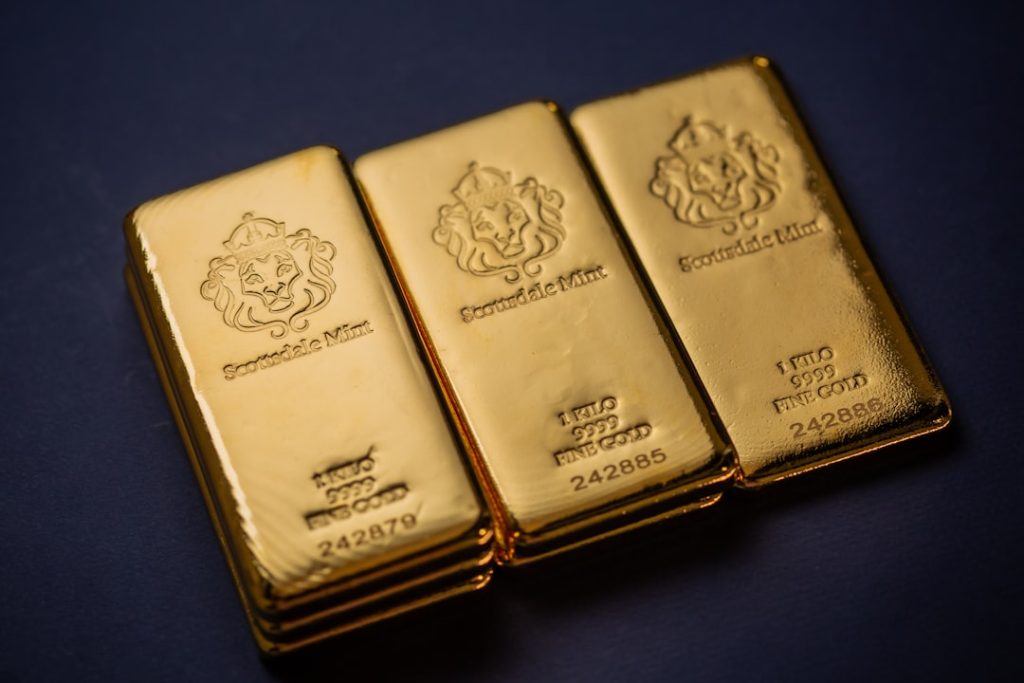
Gold has captivated human civilization for millennia, serving not only as a medium of exchange but also as a symbol of wealth and power. The history of gold bullion can be traced back to ancient civilizations, where it was first used in the form of coins. The Lydians, around 600 BC, are credited with minting the first gold coins, which facilitated trade and commerce.
This innovation marked a significant shift in economic practices, as it allowed for standardized currency that could be easily exchanged. Over the centuries, various empires, including the Egyptians, Greeks, and Romans, utilized gold as a means to assert their dominance and wealth. Gold artifacts from these periods, such as the famous burial mask of Tutankhamun, highlight its importance in cultural and religious contexts.

As societies evolved, so did the role of gold. By the Middle Ages, gold bullion became a cornerstone of international trade. European nations began to hoard gold reserves to back their currencies, leading to the establishment of the gold standard in the 19th century.
This system linked currency values directly to gold, providing stability and trust in financial transactions. However, the gold standard was eventually abandoned during the 20th century, particularly after World War II, when countries shifted towards fiat currencies. Despite this transition, gold bullion has retained its status as a safe-haven asset, often sought after during times of economic uncertainty.

The historical significance of gold is not merely confined to its monetary value; it has also been a driving force behind exploration, colonization, and even conflict throughout history.
Key Takeaways
- Gold bullion has a rich history as a trusted store of value and medium of exchange.
- Investing in gold bullion offers benefits like wealth preservation and protection against inflation.
- Purchasing gold bullion can be done through dealers, banks, or online platforms with attention to authenticity.
- Proper storage and security measures are essential to protect your gold bullion investment.
- Gold bullion can diversify your portfolio and remains a valuable asset for future financial stability.
The Benefits of Investing in Gold Bullion
Investing in gold bullion offers a myriad of advantages that appeal to both seasoned investors and novices alike. One of the most compelling benefits is its role as a hedge against inflation. Unlike paper currency, which can lose value due to inflationary pressures, gold has historically maintained its purchasing power over time.
For instance, during periods of hyperinflation, such as in Zimbabwe in the late 2000s or Germany in the 1920s, gold prices soared as people sought to preserve their wealth. This characteristic makes gold an attractive option for those looking to safeguard their assets against economic instability. Another significant benefit of investing in gold bullion is its low correlation with other asset classes.
In times of market volatility, when stocks and bonds may experience sharp declines, gold often behaves differently. For example, during the financial crisis of 2008, while stock markets plummeted, gold prices surged as investors flocked to this tangible asset for security. This inverse relationship can enhance portfolio diversification, reducing overall risk and providing a buffer against market downturns.
Furthermore, gold bullion is a tangible asset that investors can physically hold, unlike stocks or bonds that exist only on paper. This physicality can provide a sense of security and peace of mind for many investors.
How to Purchase Gold Bullion

Acquiring gold bullion is a straightforward process that can be approached through various channels. One of the most common methods is purchasing from reputable dealers or mints. Many countries have national mints that produce gold bullion coins, such as the American Gold Eagle or the Canadian Gold Maple Leaf.
These coins are often sold at a premium over the spot price of gold but come with the assurance of authenticity and quality. When selecting a dealer, it is crucial to conduct thorough research to ensure they are reputable and trustworthy. Online reviews, industry certifications, and affiliations with professional organizations can provide valuable insights into a dealer’s credibility.
In addition to physical coins and bars, investors can also consider exchange-traded funds (ETFs) that track the price of gold bullion. These financial instruments allow investors to gain exposure to gold without the need for physical storage or security concerns. ETFs typically trade on major stock exchanges and can be bought and sold like regular stocks.
However, it is essential to understand the fees associated with these funds and how they may impact overall returns. For those who prefer a more hands-on approach, local coin shops and precious metal shows can also be excellent venues for purchasing gold bullion directly from sellers.
Storing and Securing Your Gold Bullion
Once you have acquired gold bullion, ensuring its safe storage is paramount. There are several options available for storing your investment, each with its own set of advantages and disadvantages. One popular choice is to use a safe deposit box at a bank.
This option provides a high level of security and protection against theft or damage. However, it is essential to consider the costs associated with renting a safe deposit box and the limited access it may provide during banking hours. Alternatively, some investors opt for home safes designed specifically for storing precious metals.
These safes come in various sizes and security levels, allowing you to choose one that fits your needs and budget. When selecting a home safe, it is crucial to consider factors such as fire resistance and weight; heavier safes are often more difficult for thieves to remove. Regardless of where you choose to store your gold bullion, maintaining proper documentation is vital for insurance purposes and future resale.
Understanding the Value of Gold Bullion
| Metric | Value | Unit | Description |
|---|---|---|---|
| Purity | 99.99 | % | Standard purity level for investment-grade gold bullion |
| Weight | 400 | troy ounces | Typical weight of a standard gold bullion bar (Good Delivery bar) |
| Density | 19.32 | g/cm³ | Density of pure gold |
| Market Price | 2000 | per troy ounce | Approximate current market price of gold bullion |
| Melting Point | 1064 | °C | Temperature at which gold bullion melts |
| Typical Dimensions | 250 x 70 x 40 | mm | Approximate size of a standard 400 oz gold bar |
The value of gold bullion is determined by several factors that influence its market price. The most significant determinant is the spot price of gold, which fluctuates based on supply and demand dynamics in global markets. Various factors contribute to these fluctuations, including geopolitical events, economic indicators, and changes in interest rates.
For instance, during times of political unrest or economic uncertainty, demand for gold typically increases as investors seek refuge in this safe-haven asset. In addition to market forces, the purity and weight of gold bullion also play critical roles in determining its value. Gold is measured in karats or fineness; pure gold is 24 karats or 999 fine.
Bullion bars and coins are often stamped with their weight and purity levels, which helps establish their market value. Furthermore, collectible coins may carry additional premiums based on rarity or historical significance. Understanding these nuances is essential for investors looking to assess the true worth of their gold bullion holdings accurately.
Selling Your Gold Bullion

When it comes time to sell your gold bullion, there are several avenues available that can maximize your returns. One option is to sell directly to a reputable dealer or jeweler who specializes in precious metals. These professionals typically offer competitive prices based on current market conditions and can provide immediate cash transactions.
However, it is advisable to obtain multiple quotes from different dealers to ensure you receive a fair price. Another avenue for selling gold bullion is through online platforms that facilitate peer-to-peer transactions or auctions. Websites dedicated to buying and selling precious metals allow individuals to list their items for sale directly to potential buyers.
While this method can yield higher prices due to reduced overhead costs for sellers, it also requires careful consideration regarding shipping and insurance during transit. Regardless of the method chosen for selling gold bullion, keeping detailed records of your purchase price and any associated costs will help you accurately assess your profits or losses when it comes time to file taxes.
Diversifying Your Portfolio with Gold Bullion
Incorporating gold bullion into an investment portfolio can significantly enhance diversification strategies. Traditional portfolios often consist of stocks and bonds; however, these asset classes can be highly correlated during market downturns. By adding gold bullion to the mix, investors can create a more balanced portfolio that mitigates risk while potentially increasing returns over time.
Gold’s unique characteristics make it an effective diversifier; its performance tends to be uncorrelated with equities and fixed-income securities. For example, during periods when stock markets experience volatility due to economic downturns or geopolitical tensions, gold often appreciates as investors flock to its perceived safety. This inverse relationship allows investors to stabilize their portfolios against market fluctuations while still participating in potential growth opportunities offered by other asset classes.
The Future of Gold Bullion Investment
Looking ahead, the future of gold bullion investment appears promising despite evolving economic landscapes and technological advancements. As central banks around the world continue to adopt accommodative monetary policies—such as low-interest rates and quantitative easing—demand for gold as an alternative store of value is likely to persist. Additionally, geopolitical tensions and economic uncertainties may further drive interest in this timeless asset class.
Moreover, innovations in technology are reshaping how investors engage with gold bullion. The rise of blockchain technology has led to the development of digital gold platforms that allow for fractional ownership and easier trading options without physical storage concerns. These advancements could attract a new generation of investors who seek both convenience and security in their investment choices.
As global economic conditions continue to evolve, understanding the historical context and inherent benefits of investing in gold bullion will remain crucial for those looking to navigate the complexities of financial markets effectively. Whether viewed as a hedge against inflation or a means of portfolio diversification, gold’s enduring allure ensures its place in investment strategies for years to come.

