The GLD stock price refers to the market value of the SPDR Gold Shares ETF, which is designed to track the price of gold bullion. Launched in 2004, GLD has become one of the largest and most liquid exchange-traded funds in the world, providing investors with a straightforward way to gain exposure to gold without the complexities of physical ownership. The fund holds physical gold bars in secure vaults, and each share of GLD represents a fractional ownership of these gold holdings.
This structure allows investors to participate in the gold market while avoiding the challenges associated with storing and insuring physical gold. Investors are drawn to GLD for various reasons, including its potential as a hedge against inflation and currency fluctuations. Gold has historically been viewed as a safe-haven asset, particularly during times of economic uncertainty.

As such, the performance of GLD stock price is closely tied to broader economic indicators and market conditions. Understanding the dynamics that influence GLD stock price is essential for investors looking to navigate the complexities of the gold market effectively.
Key Takeaways
- GLD stock price is influenced by various factors including gold market trends and investor sentiment.
- Technical and fundamental analyses provide insights into GLD’s price movements and valuation.
- Comparing GLD stock price to actual gold prices helps assess its tracking accuracy.
- Market sentiment plays a significant role in short-term fluctuations of GLD stock price.
- Historical performance and current data are used to predict future trends of GLD stock price.
Factors Affecting GLD Stock Price

Several factors influence the price of GLD stock, with the most significant being the price of gold itself. Since GLD is designed to track gold prices, any fluctuations in the underlying commodity will directly impact the ETF’s value. For instance, when gold prices rise due to increased demand or geopolitical tensions, GLD stock price typically follows suit.
Conversely, if gold prices decline due to a stronger U.S. dollar or reduced demand, GLD stock price is likely to decrease as well. In addition to gold prices, macroeconomic factors play a crucial role in determining GLD stock price.
Interest rates are particularly influential; when interest rates are low, the opportunity cost of holding non-yielding assets like gold diminishes, making it more attractive to investors. Conversely, rising interest rates can lead to a decline in gold prices and, by extension, GLD stock price. Other economic indicators, such as inflation rates, employment data, and overall market sentiment, also contribute to the fluctuations in GLD stock price.
Technical Analysis of GLD Stock Price

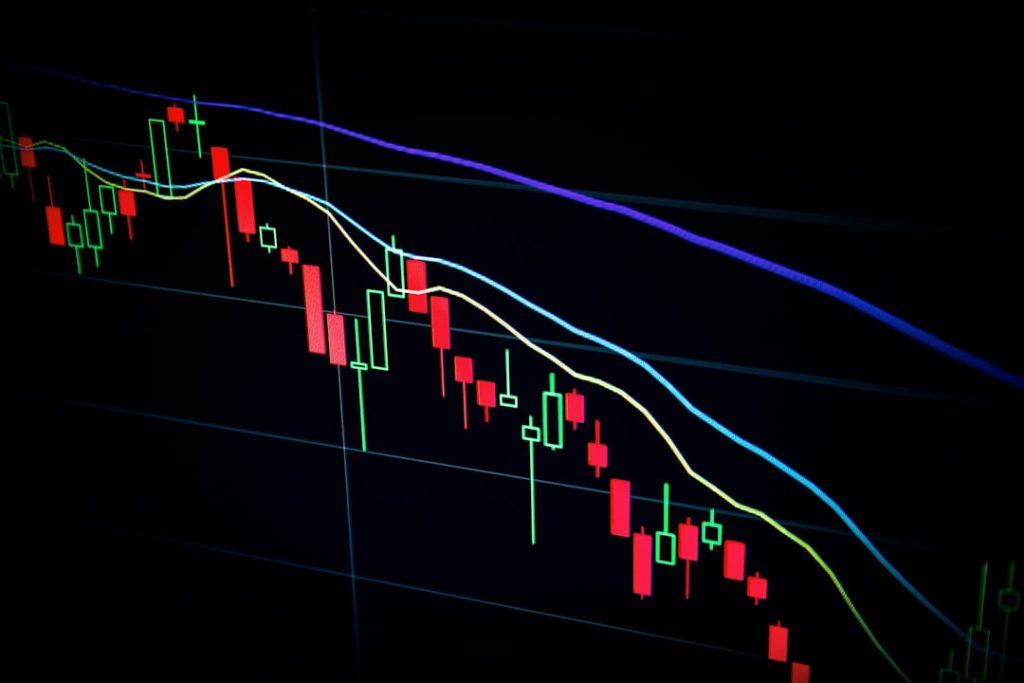
Technical analysis involves examining historical price movements and trading volumes to forecast future price trends. For GLD stock price, traders often utilize various charting techniques and indicators to identify patterns that may suggest future movements. Common tools include moving averages, relative strength index (RSI), and Bollinger Bands.
For example, a trader might look at a 50-day moving average compared to a 200-day moving average to identify potential bullish or bearish trends. Chart patterns can also provide insights into potential price movements. For instance, if GLD stock price forms a head-and-shoulders pattern, it may indicate a reversal in trend.
Conversely, a double bottom pattern could suggest a bullish reversal after a downtrend. Volume analysis is another critical component; an increase in trading volume accompanying a price movement can signal strength in that movement, while low volume may indicate weakness or lack of conviction among traders.
Fundamental Analysis of GLD Stock Price
Fundamental analysis focuses on evaluating the intrinsic value of an asset based on economic factors and financial metrics. For GLD stock price, this analysis often involves examining the supply and demand dynamics of the gold market. Factors such as mining production levels, central bank purchases or sales of gold, and jewelry demand can significantly impact gold prices and, consequently, GLD stock price.
Additionally, macroeconomic indicators such as inflation rates and currency strength are vital in fundamental analysis. For instance, if inflation rises significantly, investors may flock to gold as a hedge against eroding purchasing power, driving up demand and subsequently increasing GLD stock price. Similarly, if the U.S.
dollar weakens against other currencies, gold becomes cheaper for foreign investors, potentially boosting demand and supporting higher prices for both gold and GLD.
Comparing GLD Stock Price to Gold Prices
| Date | Opening Price | Closing Price | High | Low | Volume |
|---|---|---|---|---|---|
| 2024-06-20 | 180.25 | 182.10 | 183.00 | 179.50 | 1,200,000 |
| 2024-06-19 | 178.50 | 180.00 | 181.20 | 177.80 | 1,350,000 |
| 2024-06-18 | 179.00 | 178.75 | 180.50 | 177.00 | 1,100,000 |
| 2024-06-17 | 177.25 | 178.50 | 179.00 | 176.50 | 1,250,000 |
| 2024-06-16 | 176.00 | 177.20 | 178.00 | 175.50 | 1,300,000 |
A critical aspect of understanding GLD stock price is its relationship with actual gold prices. Since GLD is designed to track the performance of gold bullion closely, one would expect a high correlation between the two. However, discrepancies can occur due to factors such as management fees associated with the ETF or market inefficiencies.
Typically, GLD stock price will trade at a slight premium or discount to its net asset value (NAV), which is calculated based on the current market price of gold held by the fund. For example, if gold is trading at $1,800 per ounce and GLD has 10 million ounces of gold in its vaults, one would expect the NAV of GLD to be around $18 billion. If GLD stock price is trading at $180 per share with 1 billion shares outstanding, this would imply that the ETF is trading at its NAV.
However, if market sentiment shifts or if there are significant inflows or outflows from the fund, this relationship can become distorted temporarily.
Market Sentiment and GLD Stock Price
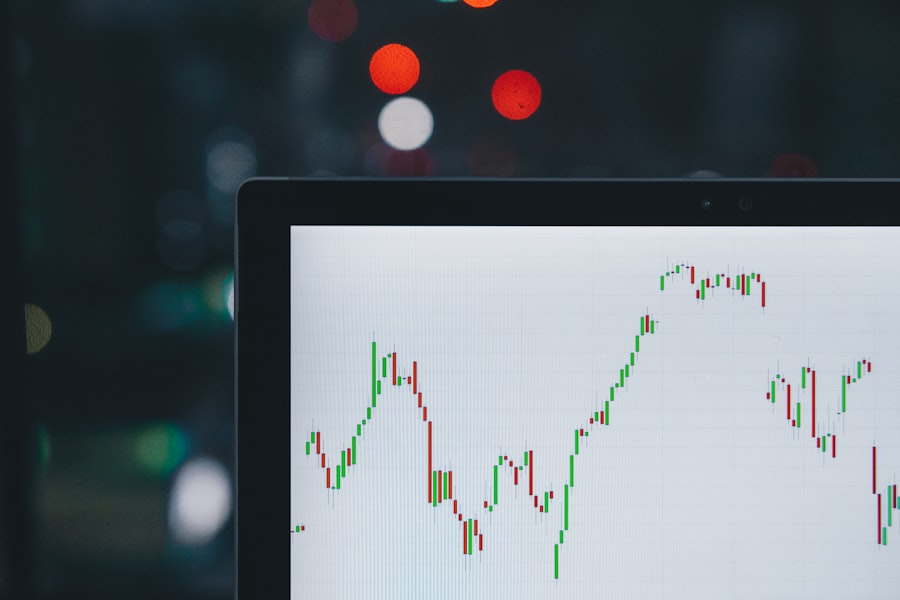
Market sentiment plays a pivotal role in influencing GLD stock price. Investor psychology can lead to significant fluctuations in demand for gold and related assets like GLD. During periods of economic uncertainty or geopolitical tensions—such as trade wars or military conflicts—investors often seek refuge in safe-haven assets like gold.
This increased demand can drive up both gold prices and GLD stock price. Conversely, during periods of economic stability or growth, investors may prefer riskier assets such as equities over safe-haven investments like gold. This shift in sentiment can lead to decreased demand for gold and subsequently lower GLD stock prices.
Additionally, news events such as changes in monetary policy by central banks or significant economic data releases can rapidly alter market sentiment and impact GLD stock price.
Historical Performance of GLD Stock Price
The historical performance of GLD stock price provides valuable insights into how it has reacted to various market conditions over time. Since its inception in 2004, GLD has experienced significant fluctuations that mirror broader trends in the gold market. For instance, during the financial crisis of 2008-2009, gold prices surged as investors sought safety amid market turmoil.
Consequently, GLD stock price also saw substantial gains during this period. In contrast, following the recovery from the financial crisis and into a period of economic expansion, gold prices faced downward pressure as interest rates began to rise and investor sentiment shifted towards equities. This led to periods where GLD stock price underperformed relative to other asset classes.
Analyzing these historical trends allows investors to better understand potential future movements based on past performance under similar economic conditions.
Predictions for Future GLD Stock Price
Predicting future GLD stock price involves considering various factors that could influence both gold prices and investor sentiment moving forward. Analysts often look at macroeconomic indicators such as inflation forecasts, interest rate projections from central banks, and geopolitical developments that could impact demand for gold as a safe-haven asset. For instance, if inflation continues to rise without corresponding increases in interest rates, it could lead to increased demand for gold and support higher GLD stock prices.
Moreover, technological advancements in mining and changes in global supply chains could also affect future gold production levels and availability. If mining becomes more efficient or if new reserves are discovered, this could lead to increased supply and potentially lower prices for gold and GLD stock price. Conversely, if geopolitical tensions escalate or if central banks continue their trend of accumulating gold reserves as part of their monetary policy strategies, this could bolster demand for gold and positively impact GLD stock price.
In conclusion, understanding the multifaceted nature of factors influencing GLD stock price—from technical and fundamental analyses to market sentiment—equips investors with the knowledge necessary to navigate this complex asset class effectively. As global economic conditions evolve and investor preferences shift, keeping an eye on these dynamics will be crucial for those looking to invest in or trade GLD shares in the future.