
Amazon SEO, or Search Engine Optimization, is a critical component for sellers looking to enhance their visibility on the platform. Unlike traditional search engines like Google, which prioritize content relevance and backlinks, Amazon’s algorithm is primarily driven by sales performance and customer engagement. The goal of Amazon SEO is to ensure that products appear prominently in search results when potential buyers enter relevant queries.
This involves a complex interplay of various factors, including product relevance, sales velocity, and customer satisfaction metrics. At its core, Amazon SEO revolves around understanding how the A9 algorithm functions. This algorithm evaluates numerous elements to determine which products to display for specific search terms.

Key factors include the product’s title, description, keywords, and overall sales history. Sellers must recognize that optimizing for Amazon is not just about attracting clicks; it’s about converting those clicks into sales. The more sales a product generates, the higher it will rank in search results, creating a self-reinforcing cycle of visibility and sales.
Key Takeaways
- Effective Amazon SEO starts with understanding how the platform ranks products.
- Optimizing product titles and descriptions with relevant keywords boosts visibility.
- Customer reviews and ratings significantly influence search rankings and buyer trust.
- High-quality images and videos enhance product appeal and user engagement.
- Regularly monitoring performance and adapting to Amazon’s algorithm updates is crucial for sustained success.
Optimizing Product Titles and Descriptions

Crafting effective product titles is one of the most crucial steps in optimizing for Amazon SEO. A well-structured title should include essential information such as the brand name, product type, key features, and size or quantity. For instance, instead of a vague title like “Bluetooth Speaker,” a more optimized title would be “JBL Flip 5 Waterproof Portable Bluetooth Speaker – 12 Hours of Playtime – Black.” This title not only includes relevant keywords but also provides potential buyers with critical information that can influence their purchasing decision.
Equally important is the product description, which should expand on the details provided in the title. A compelling description should highlight the product’s unique selling points and address potential customer pain points. For example, if selling a kitchen appliance, the description could emphasize its energy efficiency, ease of use, and safety features.
Utilizing bullet points can enhance readability and allow customers to quickly grasp the product’s benefits. Additionally, incorporating relevant keywords naturally within the description can further improve search visibility while ensuring that the content remains engaging and informative.
Utilizing Keywords and Key Phrases
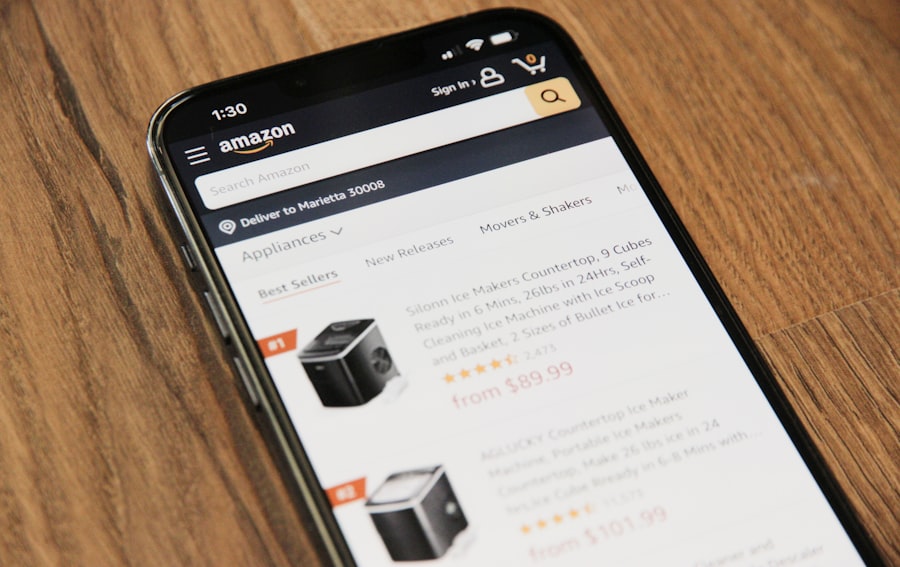
Keywords are the backbone of any effective Amazon SEO strategy. Identifying the right keywords involves thorough research to understand what potential customers are searching for. Tools like Amazon’s own search bar can provide insights into popular search terms as it auto-suggests phrases based on user input.
Additionally, third-party tools such as Helium 10 or Jungle Scout can help sellers analyze keyword performance and competition levels. Once relevant keywords are identified, they should be strategically placed throughout the product listing. This includes not only the title and description but also backend search terms that are not visible to customers but are crucial for indexing purposes.
It’s essential to avoid keyword stuffing, as this can lead to a poor user experience and may even result in penalties from Amazon’s algorithm. Instead, focus on creating a natural flow of language that incorporates keywords seamlessly while still appealing to potential buyers.
Leveraging Customer Reviews and Ratings
Customer reviews and ratings play a pivotal role in influencing purchasing decisions on Amazon. Products with higher ratings and positive reviews tend to rank better in search results due to their perceived credibility and customer satisfaction. Encouraging satisfied customers to leave reviews can significantly enhance a product’s visibility and attractiveness.
Sellers can implement strategies such as follow-up emails post-purchase or including a note in the packaging requesting feedback. Moreover, responding to customer reviews—both positive and negative—can demonstrate a seller’s commitment to customer service and product quality. Addressing negative feedback constructively can also mitigate potential damage to a product’s reputation.
For instance, if a customer complains about a product defect, responding promptly with an offer for a replacement or refund can not only resolve the issue but also showcase the seller’s dedication to customer satisfaction. This proactive approach can lead to improved ratings over time, further boosting the product’s ranking on Amazon.
Maximizing Visual Content
| Metric | Description | Importance | Typical Range / Value |
|---|---|---|---|
| Keyword Relevance | How closely the product listing keywords match customer search queries | High | Use primary and secondary keywords in title, bullet points, and backend search terms |
| Conversion Rate | Percentage of visitors who purchase the product after viewing the listing | High | 5% – 15% (varies by category) |
| Sales Velocity | Number of sales over a specific period | High | Varies widely; consistent sales improve ranking |
| Product Reviews | Number and quality of customer reviews | High | 50+ reviews with average rating above 4 stars preferred |
| Click-Through Rate (CTR) | Percentage of users who click on the product after seeing it in search results | Medium | 10% – 30% |
| Backend Search Terms | Hidden keywords added in seller central to improve search visibility | Medium | Up to 250 characters recommended |
| Product Title Length | Number of characters in the product title | Medium | 80 – 200 characters (category dependent) |
| Image Quality | Resolution and clarity of product images | High | Minimum 1000×1000 pixels recommended |
| Price Competitiveness | How the product price compares to similar listings | Medium | Competitive pricing within category range |
| Fulfillment Method | Whether the product is fulfilled by Amazon (FBA) or seller (FBM) | High | FBA often preferred for better ranking |
Visual content is an essential aspect of any Amazon listing, as it significantly impacts customer engagement and conversion rates. High-quality images that showcase the product from multiple angles can help potential buyers visualize what they are purchasing. Amazon allows sellers to upload several images, so utilizing this feature effectively is crucial.
Images should highlight key features, demonstrate the product in use, and provide context regarding size or scale. In addition to standard images, incorporating videos can further enhance a listing’s appeal. Videos can provide demonstrations of how the product works or showcase its benefits in real-life scenarios.
For example, a fitness equipment seller might include a video demonstrating various exercises that can be performed with their product. This not only provides valuable information but also engages customers on a deeper level, increasing the likelihood of conversion.
Enhancing the User Experience

User experience (UX) is an often-overlooked aspect of Amazon SEO that can significantly influence sales performance. A well-optimized listing should be easy to navigate and provide all necessary information without overwhelming potential buyers. This includes clear formatting of titles and descriptions, logical organization of information, and an intuitive layout that guides customers through their purchasing journey.
Additionally, ensuring that product listings are mobile-friendly is essential in today’s digital landscape. With an increasing number of consumers shopping via mobile devices, listings must be optimized for smaller screens without sacrificing clarity or detail. This means using concise language, high-quality images that load quickly, and ensuring that all clickable elements are easily accessible on mobile devices.
A seamless user experience can lead to higher conversion rates and ultimately improve a product’s ranking on Amazon.
Monitoring and Analyzing Performance
Continuous monitoring and analysis of performance metrics are vital for any seller looking to optimize their Amazon listings effectively. Key performance indicators (KPIs) such as click-through rates (CTR), conversion rates, and sales velocity provide valuable insights into how well a product is performing in search results. Tools like Amazon Seller Central offer analytics features that allow sellers to track these metrics over time.
By analyzing this data, sellers can identify trends and make informed decisions about their listings. For instance, if a particular keyword is driving significant traffic but has a low conversion rate, it may indicate that the product description or images need improvement. Conversely, if certain keywords are leading to high conversions but low traffic, it may be worth investing in additional marketing efforts to increase visibility for those terms.
Regularly reviewing performance metrics enables sellers to adapt their strategies proactively rather than reactively.
Staying Updated with Amazon’s Algorithm Changes
The landscape of Amazon SEO is continually evolving as the platform updates its algorithms to enhance user experience and improve search result accuracy. Staying informed about these changes is crucial for sellers who want to maintain or improve their rankings on the platform. Amazon frequently releases updates that may affect how products are indexed or ranked based on new criteria or user behavior patterns.
Sellers can stay updated by following Amazon’s official communications, participating in seller forums, or subscribing to industry newsletters that cover e-commerce trends and algorithm changes. Engaging with other sellers can also provide insights into best practices and strategies that have proven effective in adapting to recent changes. By remaining vigilant and flexible in their approach to Amazon SEO, sellers can ensure they are well-positioned to navigate the complexities of the platform’s evolving landscape effectively.