

Amazon returned pallets are collections of merchandise that have been returned by customers but are still in a condition suitable for resale. These pallets typically contain a variety of items, ranging from electronics and home goods to clothing and toys. When customers return products, they may do so for various reasons, including dissatisfaction with the item, receiving the wrong product, or simply changing their minds.
Retailers like Amazon often cannot resell these items as new, so they liquidate them in bulk to recover some of their costs. This process creates an opportunity for resellers and bargain hunters to acquire products at significantly reduced prices. The contents of these pallets can be unpredictable, which adds an element of excitement to the purchasing process.

Buyers may find high-value items alongside lower-value goods, making it a potential treasure hunt. The condition of the items can vary widely; some may be brand new and unopened, while others might be used or damaged. Understanding the nature of these returns is crucial for anyone looking to invest in Amazon returned pallets, as it sets the stage for what to expect in terms of both risk and reward.
Key Takeaways
- Amazon returned pallets consist of bulk items customers have returned, often sold at discounted prices.
- Buying these pallets can offer significant savings and opportunities for resale profit.
- They are available through liquidation websites, auction sites, and specialized pallet sellers.
- Success requires careful inspection, research, and understanding of product conditions.
- Potential risks include damaged goods and unpredictable inventory, so strategic selling is essential.
The Benefits of Buying Amazon Returned Pallets

One of the primary benefits of purchasing Amazon returned pallets is the potential for significant savings. Buyers can acquire a large quantity of products at a fraction of their retail price, which can lead to substantial profit margins when reselling. For instance, a pallet that costs $300 might contain items worth $1,500 or more if sold individually.
This disparity between purchase price and potential resale value is what attracts many entrepreneurs to this market. Additionally, buying returned pallets can be an environmentally friendly choice. By purchasing these items, resellers help reduce waste by giving products a second chance at being used rather than ending up in landfills.
This aspect appeals to consumers who are increasingly conscious of sustainability and the environmental impact of their purchases. Furthermore, the variety found in these pallets allows resellers to diversify their inventory without committing to large quantities of any single product type, which can be particularly advantageous in a fluctuating market.
Where to Find Amazon Returned Pallets for Sale

Finding Amazon returned pallets for sale requires some research and networking within the liquidation industry. One of the most common avenues is through liquidation auction websites such as Liquidation.com, B-Stock, and Direct Liquidation. These platforms specialize in selling excess inventory and returned goods from major retailers, including Amazon.
Buyers can browse listings, place bids, or purchase pallets outright, depending on the platform’s structure. Local liquidation warehouses and wholesale distributors also offer opportunities to purchase returned pallets. These businesses often have established relationships with retailers and can provide access to bulk lots of returned merchandise.
Attending liquidation auctions or estate sales can also yield valuable finds, as these events sometimes feature pallets of returned goods from various retailers. Networking with other resellers through online forums or social media groups can provide insights into where to find the best deals and which sources are reputable.
Tips for Successfully Buying Amazon Returned Pallets
When venturing into the world of Amazon returned pallets, it is essential to approach the process with a strategic mindset. One key tip is to thoroughly research the seller before making a purchase. Look for reviews and ratings from previous buyers to gauge the reliability and quality of the pallets being offered.
A reputable seller will often provide detailed descriptions of the pallet contents and may even include manifest lists that outline what items are included. Another important consideration is to set a budget and stick to it. It can be easy to get caught up in the excitement of bidding on pallets, but having a clear financial limit helps prevent overspending.
Additionally, consider starting with smaller pallets or lots until you become more familiar with the process and understand what types of products yield the best returns. This cautious approach allows you to learn from your experiences without risking significant capital upfront.
How to Make a Profit from Amazon Returned Pallets
| Metric | Description | Typical Range | Notes |
|---|---|---|---|
| Average Pallet Size | Number of items per pallet | 50 – 200 items | Varies by product category |
| Condition Categories | Classification of returned items | New, Like New, Used, Damaged | Impacts resale value |
| Return Rate | Percentage of items returned to Amazon | 5% – 10% | Varies by product type |
| Average Cost per Pallet | Purchase price for a returned pallet | 100 – 1000 | Depends on pallet size and condition |
| Resale Profit Margin | Expected profit margin after resale | 20% – 50% | Highly dependent on item condition and demand |
| Common Product Categories | Types of items frequently found | Electronics, Home Goods, Clothing, Toys | Some categories have higher return rates |
| Inspection Time | Time required to sort and inspect pallet | 2 – 6 hours | Depends on pallet size and complexity |
To turn a profit from Amazon returned pallets, resellers must develop effective strategies for selling the items they acquire. One common approach is to sell products individually through online marketplaces such as eBay, Amazon, or Facebook Marketplace. By listing items separately, sellers can often achieve higher prices than if they were to sell the entire pallet as a whole.
This method requires time and effort for photographing, listing, and shipping each item but can lead to greater overall profits. Another strategy involves bundling similar items together for sale. For example, if a pallet contains several kitchen gadgets, creating a bundle package can attract buyers looking for value deals.
This approach not only simplifies the selling process but also appeals to consumers who prefer purchasing multiple items at once. Additionally, leveraging social media platforms for marketing can help reach a broader audience and drive sales.
Potential Risks and Challenges of Buying Amazon Returned Pallets
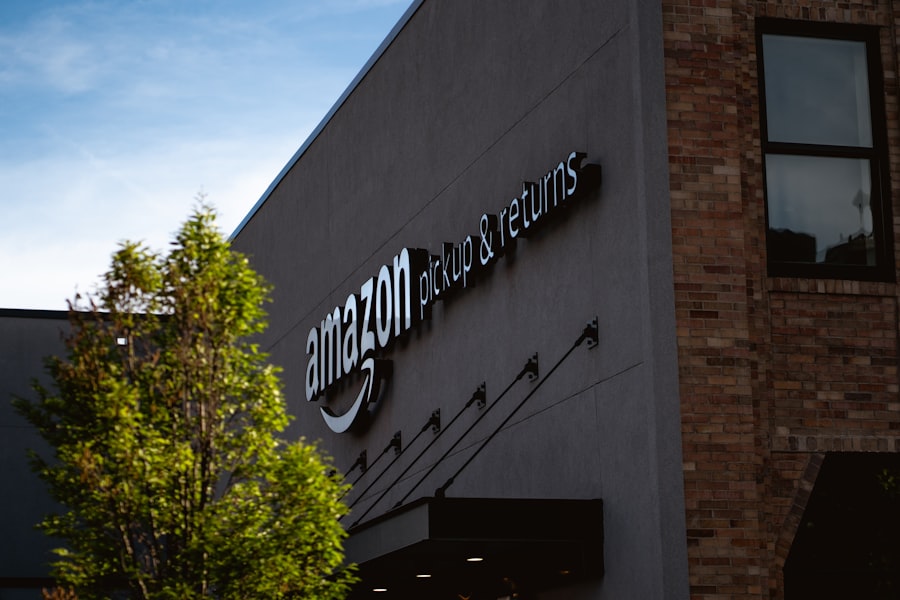
While there are numerous benefits to buying Amazon returned pallets, potential risks and challenges must be acknowledged. One significant risk is the uncertainty surrounding the condition and functionality of the items within the pallet. Some products may be damaged or defective, leading to losses if they cannot be resold or require costly repairs.
Buyers should be prepared for this possibility and factor it into their overall cost analysis. Another challenge is competition within the resale market. As more individuals become aware of the potential profits from buying returned pallets, competition has increased significantly.
This saturation can drive down prices and make it more difficult for new resellers to find profitable items. Additionally, understanding market trends is crucial; what may be in demand today could quickly change, leaving resellers with unsold inventory that ties up capital.
Selling Strategies for Amazon Returned Pallets
Effective selling strategies are essential for maximizing profits from Amazon returned pallets. One approach is to utilize multiple sales channels simultaneously. By listing items on various platforms—such as eBay, Poshmark, Mercari, and local classifieds—sellers can increase their visibility and reach different customer demographics.
Each platform has its unique audience and selling features that can be leveraged for better results. Moreover, investing time in creating high-quality listings can significantly impact sales performance. Clear photographs that showcase the product’s condition and features are vital in attracting buyers’ attention.
Detailed descriptions that highlight key selling points and any flaws will help manage buyer expectations and reduce return rates. Additionally, offering competitive pricing based on thorough market research ensures that listings remain attractive while still providing a profit margin.
Is Buying Amazon Returned Pallets Worth It?
The decision to buy Amazon returned pallets ultimately hinges on individual goals and risk tolerance. For those willing to invest time in research, learning about market trends, and developing effective selling strategies, this venture can yield substantial rewards. The thrill of uncovering valuable items at a fraction of their retail price adds an element of excitement that many find appealing.
However, potential buyers must also weigh the risks involved, including product condition variability and market competition. A well-informed approach that includes careful planning and strategic execution can mitigate these risks and enhance profitability. For entrepreneurs looking for an engaging way to enter the resale market or those seeking additional income streams, buying Amazon returned pallets presents an intriguing opportunity worth exploring further.


