
The landscape of modern parenthood presents unique challenges for single mothers, particularly regarding financial stability and time management. Passive income, earned with minimal ongoing effort after initial setup, offers a potential avenue for addressing these challenges. This article explores various passive income opportunities applicable to single mothers, considering factors such as time commitment, initial capital requirements, and scalability. The goal is to provide a comprehensive overview, equipping readers with the knowledge to make informed decisions about their financial futures.
The concept of passive income is often misunderstood. It is not “get rich quick” scheme, nor does it imply zero effort. Rather, it signifies an income stream that, once established, requires significantly less direct effort than traditional employment. For single mothers, this distinction is crucial, as it can free up valuable time previously dedicated to active income generation, allowing for greater flexibility for childcare, personal development, or simply reducing stress.
The Time-Value Equation

Single mothers frequently navigate a complex time-value equation. Every hour invested in income generation is an hour not spent with children, on self-care, or on other essential tasks. Passive income shifts this paradigm by decoupling time directly from earnings. Imagine a well-oiled machine: once built, it continues to produce without constant manual intervention. This allows for a more efficient allocation of a single mother’s most precious resource: time.
Capital Investment Considerations
Most passive income streams require some form of initial investment, whether financial or time-based. For single mothers with limited disposable income, this necessitates careful evaluation. Some opportunities require substantial upfront capital, while others primarily demand an investment of skill and time to create content or products. The key is to identify opportunities aligned with available resources and risk tolerance.
Digital Product Creation and Sales

The digital realm offers a plethora of passive income possibilities. Creating and selling digital products leverages skills and knowledge, transforming them into marketable assets that can be sold repeatedly without the need for physical inventory or shipping.
E-books and Guides
E-books and digital guides represent a classic example of digital passive income. Mothers can leverage their expertise in various fields, from parenting tips to budgeting strategies, or even fictional narratives. Once written and formatted, an e-book can be sold indefinitely through platforms like Amazon Kindle Direct Publishing, Etsy, or personal websites. The initial effort involves writing, editing, and designing, followed by marketing. Each sale subsequently generates income without further direct action from the author.
Online Courses and Workshops
For those with specialized knowledge, developing an online course or workshop can be a highly lucrative passive income stream. Platforms such as Teachable, Thinkific, or Udemy allow creators to upload video lessons, written materials, and quizzes. Once the course is live, students can enroll and complete it at their own pace, generating revenue for the creator. Marketing the course is an ongoing effort, but the core content creation is a one-time endeavor. Consider areas of expertise such as a particular craft, a language, or practical life skills.
Printables and Digital Templates
Printable documents and digital templates are a low-cost, high-return passive income option. These can include budgeting templates, meal planners, organizational charts, educational worksheets, or digital art. Platforms like Etsy are popular marketplaces for selling such items. The creation process involves design software and a creative mind. Once created and listed, these digital assets can be downloaded by customers repeatedly, providing ongoing income.
Content Creation for Royalties and Advertisements
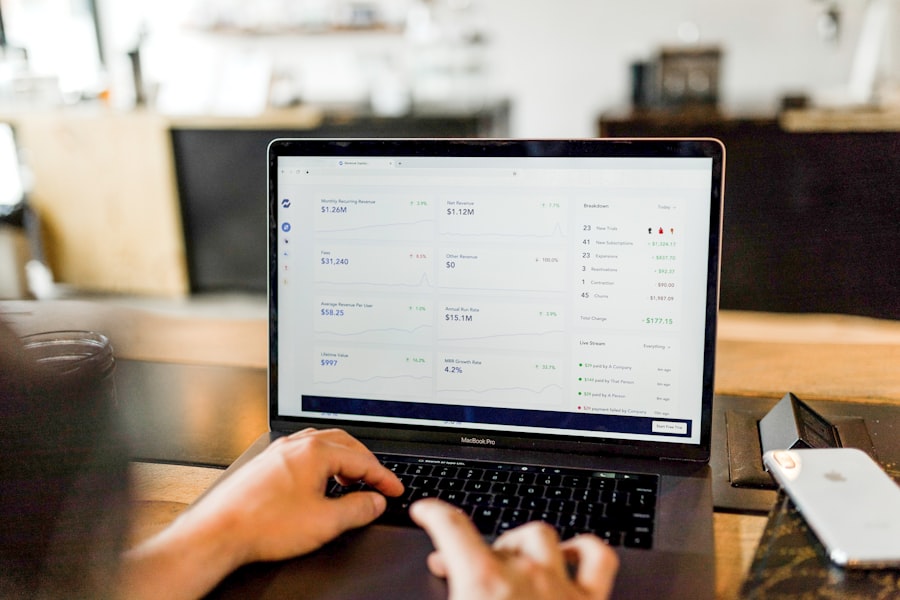
The creation of evergreen content, meaning content that remains relevant over time, can generate passive income through royalties, advertising revenue, and affiliate marketing. This approach requires consistent effort initially to build an audience and a content library.
YouTube Channel Monetization
For single mothers comfortable on camera, a YouTube channel can evolve into a significant passive income source. Content can span educational tutorials, product reviews, lifestyle vlogs, or creative endeavors. Once a channel meets specific criteria (e.g., subscriber count, watch hours), it can be monetized through advertisements displayed before, during, or after videos. Additional income streams include sponsorships, merchandise sales, and affiliate marketing embedded within video descriptions. The initial effort involves consistent video production, editing, and audience engagement to build a subscriber base.
Blogging and Affiliate Marketing
A blog that consistently publishes valuable content can become a passive income generator through various methods. Once traffic is established, advertising networks (like Google AdSense) can display ads on the site, generating revenue based on impressions or clicks. More strategically, affiliate marketing involves promoting products or services of other companies. When a reader clicks on an affiliate link and makes a purchase, the blogger earns a commission. This requires building trust with an audience and providing genuine, helpful recommendations. The “set it and forget it” aspect comes from the content remaining online and discoverable long after its initial publication.
Stock Photography and Videography
Individuals with a talent for photography or videography can submit their work to stock media websites such as Shutterstock, Adobe Stock, or Getty Images. Each time someone licenses an image or video, the creator receives a royalty. This is a highly passive income stream once the initial effort of capturing and uploading high-quality media is complete. The market for generic, high-quality visuals is vast and constantly evolving, offering consistent demand for well-produced content.
Investment-Based Passive Income

Investment-based passive income typically requires an initial capital outlay but can generate returns with minimal ongoing effort. These opportunities involve a degree of financial risk, and thorough research is essential.
Dividend-Paying Stocks and Funds
Investing in dividend-paying stocks or exchange-traded funds (ETFs) is a common strategy for passive income. Companies distribute a portion of their profits to shareholders as dividends. While stock values can fluctuate, dividends can provide a steady income stream. This method requires initial capital investment and an understanding of market dynamics. Diversification across various dividend-paying assets can mitigate risk. For single mothers, this can provide a long-term strategy for financial growth and steady income without active daily management.
Real Estate Investment Trusts (REITs)
REITs are companies that own, operate, or finance income-generating real estate. They trade on major stock exchanges, similar to stocks. Investing in REITs allows individuals to earn passive income from real estate without the direct responsibilities of property management. REITs are legally required to distribute at least 90% of their taxable income to shareholders annually, making them a strong option for passive income seekers. This approach offers exposure to the real estate market without the significant capital required for direct property ownership.
Peer-to-Peer Lending
Peer-to-peer (P2P) lending platforms connect borrowers directly with investors. Individuals can invest in small portions of personal loans, earning interest on their capital. While offering potentially higher returns than traditional savings accounts, P2P lending carries credit risk, meaning borrowers may default on their loans. Diversifying investments across multiple loans and borrowers can help mitigate this risk. This avenue requires an initial capital investment and some ongoing monitoring, but the income generated from interest accrues passively.
Leveraging Existing Assets and Resources
| Passive Income Source | Initial Investment | Average Monthly Income | Time to Start Earning | Skill Level Required | Notes |
|---|---|---|---|---|---|
| Rental Property | High | Medium to High | 1-3 months | Medium | Requires upfront capital and property management |
| Dividend Stocks | Medium | Low to Medium | 1-2 months | Low | Needs some financial knowledge and investment |
| Print on Demand | Low | Low to Medium | 1-3 months | Low to Medium | Requires design skills or outsourcing |
| Affiliate Marketing | Low | Low to Medium | 3-6 months | Medium | Needs content creation and marketing skills |
| Online Courses | Low to Medium | Medium | 1-6 months | Medium to High | Requires expertise and course creation effort |
| Peer-to-Peer Lending | Medium | Low to Medium | 1 month | Low | Risk varies; requires research |
| Royalties from Books or Music | Low to Medium | Low to Medium | 6+ months | High | Requires creative skills and marketing |
Sometimes, passive income can be generated by making existing assets work for you, rather than creating something entirely new.
Renting Out Spare Space (Airbnb, Turo)
If a single mother has a spare room, a guest house, or even an infrequently used vehicle, platforms like Airbnb or Turo offer opportunities to generate passive income. Renting out a spare room for short-term stays can provide a fluctuating but significant income stream. Similarly, renting out a personal vehicle when it’s not in use leverages an existing asset to generate revenue. While these require some initial setup and ongoing communication with renters, the core asset is already owned, making the additional effort manageable in many cases.
Licensing Existing IP (Music, Art)
For single mothers with creative talents, existing intellectual property (IP) like music, art, or even unique designs can be licensed for passive income. Musicians can upload their tracks to platforms that license music for film, television, or advertisements, earning royalties each time their work is used. Artists can license their designs for merchandise or digital use. This method capitalizes on past creative efforts, generating ongoing income without requiring new, active work for each income event.
Navigating Challenges and Building Resilience
The journey toward establishing passive income streams is not without its hurdles. Single mothers, in particular, may face constraints such as limited time, capital, and a steeper learning curve for new skills. Resilience, strategic planning, and a pragmatic approach are essential.
Time Management Strategies
Effective time management is paramount. Single mothers often operate on tight schedules, necessitating careful allocation of any free moments. Chunking down tasks into smaller, manageable segments, utilizing childcare support where available, and prioritizing high-impact activities can help in building passive income ventures. Think of time as currency; judicious spending is key.
Overcoming Initial Capital Constraints
Lack of initial capital can be a significant barrier. However, many passive income options, particularly in the digital product creation and content generation realms, can begin with minimal financial investment. The primary investment in these cases is time and skill. Exploring low-cost or free tools, leveraging existing knowledge, and bootstrapping growth are viable strategies. Grant programs or micro-loans aimed at empowering single mothers may also be available.
Continuous Learning and Adaptability
The digital landscape, in particular, is in constant flux. Successful passive income generators often share a common trait: a commitment to continuous learning and adaptability. Staying informed about market trends, platform changes, and new tools can ensure the longevity and profitability of a passive income stream. This isn’t about constant active work, but rather about periodic review and strategic adjustments, ensuring the ‘machine’ remains well-oiled and relevant.
In conclusion, passive income offers a practical and empowering pathway for single mothers seeking greater financial stability and time flexibility. While no option is entirely effortless, the strategic investment of time, skill, or capital can yield significant long-term benefits, transforming the financial landscape and fostering a greater sense of autonomy. By understanding the various opportunities and approaching them with careful planning and an adaptable mindset, single mothers can build robust income streams that support their families and personal aspirations.