

Energy Transfer LP is a prominent player in the energy sector, primarily recognized for its extensive network of natural gas and natural gas liquids pipelines. Founded in 1996, the company has grown through a series of strategic acquisitions and expansions, establishing itself as a key infrastructure provider in the United States. Energy Transfer operates over 90,000 miles of pipelines, which transport a variety of energy products, including crude oil, natural gas, and refined products.
The company is publicly traded on the New York Stock Exchange under the ticker symbol “ET,” making it accessible to a wide range of investors interested in the energy market. Investors are drawn to Energy Transfer not only for its size and operational capacity but also for its history of providing consistent dividends. The company has a reputation for delivering reliable returns, which is particularly appealing in an era where many investors seek stable income streams amidst market volatility.

As the energy landscape evolves, particularly with the increasing focus on renewable energy sources, Energy Transfer’s strategic positioning and adaptability will be critical in determining its future performance and attractiveness as an investment.
Key Takeaways
- Energy Transfer is expanding its presence in the renewable energy sector amid rising demand for sustainable solutions.
- The company emphasizes sustainability and environmental responsibility in its operations.
- Recent innovations have enhanced Energy Transfer’s efficiency and renewable energy capabilities.
- Investment in Energy Transfer stock offers potential growth but comes with certain market risks.
- The future outlook for Energy Transfer stock is cautiously optimistic, balancing opportunities with industry challenges.
The Growing Demand for Renewable Energy

The global shift towards renewable energy sources has gained unprecedented momentum in recent years, driven by a combination of environmental concerns, technological advancements, and policy initiatives aimed at reducing carbon emissions. According to the International Energy Agency (IEA), renewable energy sources are expected to account for nearly 30% of global electricity generation by 2024, a significant increase from previous years. This surge in demand is not only reshaping the energy landscape but also creating new opportunities for companies involved in both traditional and renewable energy sectors.
The increasing urgency to combat climate change has led governments worldwide to implement ambitious targets for reducing greenhouse gas emissions. For instance, the European Union has set a goal to achieve net-zero emissions by 2050, while the United States has rejoined the Paris Agreement and aims to cut emissions by at least 50% by 2030. These commitments are driving investments in renewable technologies such as solar, wind, and hydroelectric power.
As a result, companies that can adapt to this changing environment and incorporate renewable energy solutions into their portfolios are likely to thrive in the coming years.
Energy Transfer’s Role in the Renewable Energy Sector
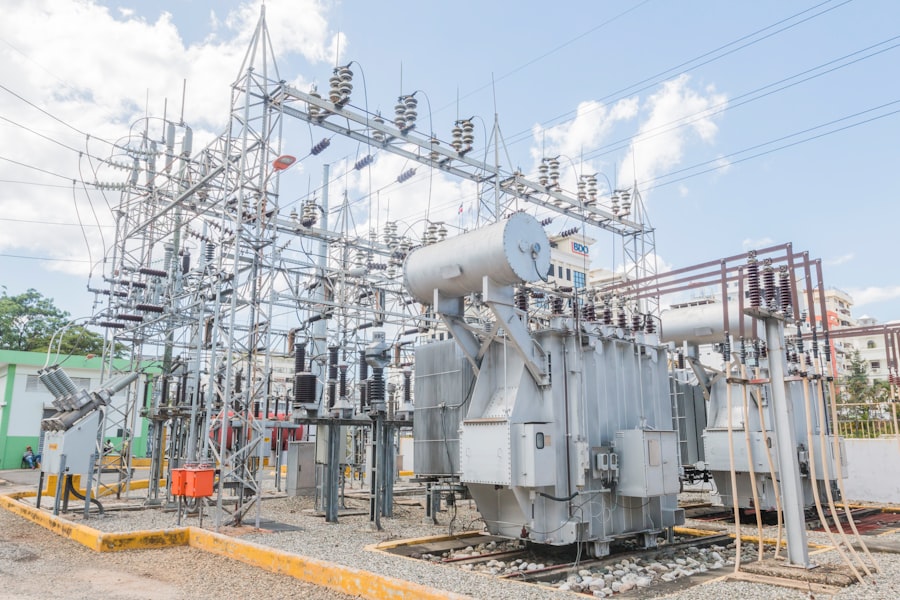
While Energy Transfer has historically focused on fossil fuels, it has recognized the importance of diversifying its operations to include renewable energy initiatives. The company has made significant investments in renewable projects, including solar and wind energy facilities. For example, Energy Transfer has developed solar farms that generate clean electricity while utilizing its existing infrastructure to facilitate the integration of renewable energy into the grid.
This strategic pivot not only aligns with global trends but also positions Energy Transfer as a forward-thinking entity in an increasingly competitive market. Moreover, Energy Transfer’s extensive pipeline network can be leveraged to support the transportation of renewable energy resources. The company is exploring ways to transport hydrogen—a clean fuel that can be produced from renewable sources—through its existing pipeline systems.
This innovative approach could enable Energy Transfer to play a crucial role in the hydrogen economy, which is anticipated to grow significantly as countries seek cleaner alternatives to fossil fuels. By embracing these opportunities, Energy Transfer is not only enhancing its operational capabilities but also contributing to the broader transition towards sustainable energy solutions.
The Company’s Commitment to Sustainability and Environmental Responsibility
Energy Transfer has made strides in demonstrating its commitment to sustainability and environmental responsibility. The company has implemented various initiatives aimed at minimizing its environmental footprint while ensuring safe and efficient operations. For instance, Energy Transfer has invested in advanced technologies that enhance pipeline safety and reduce emissions during transportation processes.
These technologies include leak detection systems and automated monitoring tools that help identify potential issues before they escalate. In addition to technological advancements, Energy Transfer has engaged with stakeholders to promote transparency and accountability regarding its environmental practices. The company publishes annual sustainability reports that outline its performance against established environmental goals and targets.
These reports provide insights into Energy Transfer’s efforts to reduce greenhouse gas emissions, conserve water resources, and protect biodiversity in areas where it operates. By actively communicating its sustainability initiatives, Energy Transfer aims to build trust with investors and communities while reinforcing its commitment to responsible energy production.
Recent Developments and Innovations in Energy Transfer’s Operations
| Metric | Value | Unit | As of Date |
|---|---|---|---|
| Stock Price | 28.45 | USD | 2024-06-01 |
| Market Capitalization | 15.2 | Billion USD | 2024-06-01 |
| Price to Earnings (P/E) Ratio | 18.7 | Ratio | 2024-06-01 |
| Dividend Yield | 6.1 | Percent | 2024-06-01 |
| 52-Week High | 32.10 | USD | 2024-06-01 |
| 52-Week Low | 24.75 | USD | 2024-06-01 |
| Average Volume | 4.5 | Million Shares | 2024-06-01 |
Energy Transfer has been proactive in adapting its operations to meet the evolving demands of the energy market. Recent developments include the expansion of its renewable energy portfolio through strategic partnerships and acquisitions. For instance, the company has collaborated with other industry leaders to develop large-scale solar projects that harness the power of sunlight to generate electricity.
These partnerships not only enhance Energy Transfer’s capabilities but also allow it to share resources and expertise with other organizations committed to renewable energy. Furthermore, Energy Transfer is exploring innovative solutions such as carbon capture and storage (CCS) technologies. CCS involves capturing carbon dioxide emissions produced from industrial processes and storing them underground to prevent their release into the atmosphere.
By investing in CCS projects, Energy Transfer aims to mitigate its environmental impact while continuing to provide essential energy services. This forward-looking approach reflects the company’s recognition of the need for sustainable practices within the fossil fuel industry.
Investment Opportunities in Energy Transfer Stock
Investing in Energy Transfer stock presents several opportunities for investors looking to capitalize on the evolving energy landscape. One of the most appealing aspects of Energy Transfer is its history of providing attractive dividends. The company has consistently paid dividends since its initial public offering, making it an appealing choice for income-focused investors.
With a relatively high dividend yield compared to industry peers, Energy Transfer offers a compelling option for those seeking regular income from their investments. Additionally, as the demand for renewable energy continues to rise, Energy Transfer’s strategic investments in this sector may enhance its growth potential. Investors who recognize the importance of transitioning towards cleaner energy sources may find value in Energy Transfer’s efforts to diversify its operations.
The company’s ability to adapt to changing market conditions while maintaining a strong dividend payout could position it favorably for long-term growth.
Challenges and Risks Facing Energy Transfer Stock
Despite its strengths, Energy Transfer faces several challenges and risks that could impact its stock performance. One significant concern is regulatory scrutiny surrounding fossil fuel operations. As governments implement stricter environmental regulations aimed at reducing carbon emissions, companies like Energy Transfer may encounter increased compliance costs and operational restrictions.
This regulatory environment could affect profitability and hinder growth prospects if not managed effectively. Moreover, fluctuations in commodity prices pose another risk for Energy Transfer’s operations. The company’s revenue is closely tied to the prices of natural gas, crude oil, and other energy products it transports.
Volatile market conditions can lead to unpredictable revenue streams, impacting financial performance and investor sentiment. Additionally, competition from both traditional energy companies and emerging renewable energy firms may intensify as the market evolves, further complicating Energy Transfer’s position within the industry.
The Future Outlook for Energy Transfer Stock
Looking ahead, the future outlook for Energy Transfer stock appears cautiously optimistic amid a rapidly changing energy landscape. The company’s proactive approach to diversifying its operations and investing in renewable energy initiatives positions it well for potential growth opportunities. As global demand for cleaner energy sources continues to rise, Energy Transfer’s ability to adapt and innovate will be crucial in maintaining its competitive edge.
Furthermore, if Energy Transfer can successfully navigate regulatory challenges while capitalizing on emerging trends such as hydrogen transportation and carbon capture technologies, it may enhance its long-term viability as an investment option. While risks remain inherent in the energy sector, particularly regarding commodity price volatility and regulatory pressures, Energy Transfer’s commitment to sustainability and operational excellence could provide a solid foundation for future growth. Investors will need to monitor these developments closely as they assess the potential of Energy Transfer stock within their portfolios.

