
The landscape of marketing has undergone a profound transformation over the decades, evolving from rudimentary methods of communication to sophisticated strategies that leverage technology and data analytics. In the early days, marketing was primarily about broadcasting messages to a broad audience through print media, radio, and television. These traditional methods relied heavily on one-way communication, where brands dictated their messages without much feedback from consumers.
However, as society progressed and technology advanced, the need for more nuanced and effective marketing strategies became apparent. The evolution of marketing strategies reflects not only changes in technology but also shifts in consumer behavior and expectations. As we delve into the evolution of marketing strategies, it is essential to recognize the pivotal role that innovation has played in shaping how businesses connect with their audiences.

The advent of the internet marked a significant turning point, enabling brands to reach consumers in ways that were previously unimaginable. This shift has led to the emergence of digital marketing, which has fundamentally altered the dynamics of consumer engagement. Today, marketers are tasked with navigating a complex landscape characterized by rapid technological advancements and changing consumer preferences.
Understanding this evolution is crucial for businesses aiming to remain competitive in an increasingly crowded marketplace.
Key Takeaways
- Marketing strategies have evolved from traditional methods to digital-focused approaches.
- Traditional marketing has limitations that digital marketing helps to overcome.
- Data-driven marketing and personalization are crucial for engaging modern consumers.
- Social media and influencer marketing play significant roles in current marketing landscapes.
- Technology and automation are key to future marketing innovation and adaptation.

Traditional Marketing Approaches and Their Limitations
Traditional marketing approaches, while foundational to the field, have inherent limitations that can hinder their effectiveness in today’s fast-paced environment. Techniques such as print advertising, direct mail, and television commercials often rely on broad targeting strategies that may not resonate with specific consumer segments. For instance, a television ad broadcast during prime time may reach millions of viewers, but without precise targeting, the message may fall flat for those who are not part of the intended audience.
This lack of specificity can lead to wasted resources and diminished returns on investment. Moreover, traditional marketing often lacks the immediacy and interactivity that modern consumers expect. In an age where instant feedback is possible through social media and online platforms, consumers are increasingly seeking engagement rather than passive consumption of content.
Traditional methods do not facilitate two-way communication; instead, they create a one-sided dialogue where brands speak at consumers rather than with them. This disconnect can result in a lack of brand loyalty and diminished consumer trust, as audiences become more discerning and demand authenticity from the brands they support.
The Rise of Digital Marketing and Its Impact on Consumer Behavior

The rise of digital marketing has revolutionized how brands interact with consumers, fundamentally altering consumer behavior in the process. With the proliferation of the internet and mobile devices, consumers now have access to a wealth of information at their fingertips. This shift has empowered consumers to conduct research, compare products, and read reviews before making purchasing decisions.
As a result, traditional marketing tactics that once relied on brand authority are now supplemented by consumer-generated content and peer recommendations. Digital marketing strategies such as search engine optimization (SEO), pay-per-click (PPC) advertising, and social media marketing have emerged as essential tools for reaching target audiences effectively. These strategies allow brands to engage with consumers in real-time, tailoring messages based on user behavior and preferences.
For example, a consumer searching for running shoes may encounter targeted ads on social media platforms or search engines that align with their interests. This level of personalization not only enhances the consumer experience but also increases the likelihood of conversion, as consumers are more inclined to respond to messages that resonate with their specific needs.
The Importance of Data-Driven Marketing in the Modern Era
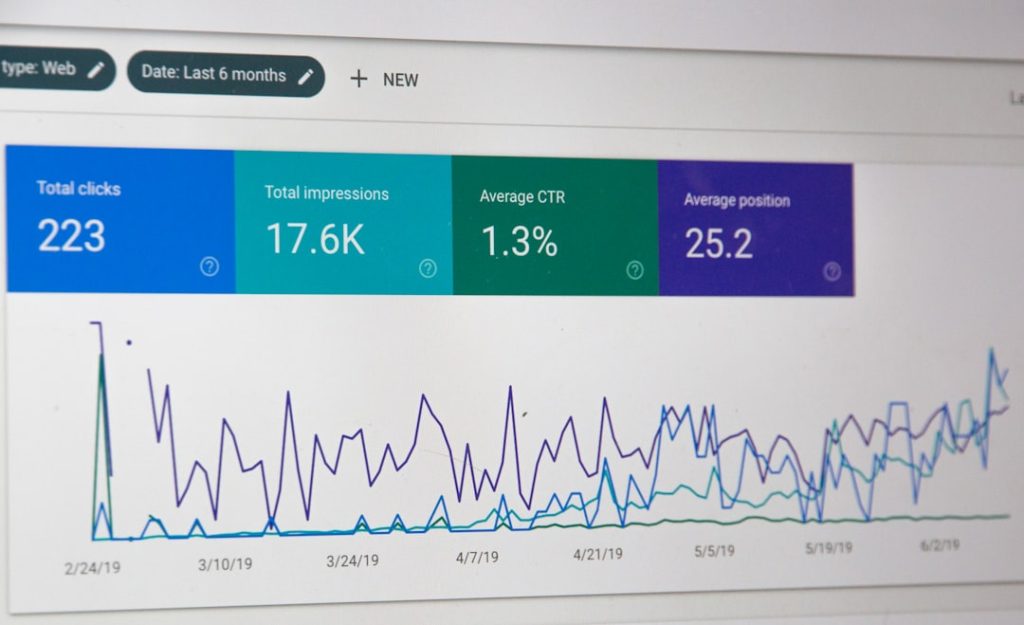
In the modern era, data-driven marketing has become a cornerstone of effective strategy development. The ability to collect and analyze vast amounts of data allows marketers to gain insights into consumer behavior, preferences, and trends. By leveraging analytics tools, businesses can track key performance indicators (KPIs) such as website traffic, conversion rates, and customer engagement metrics.
This data-driven approach enables marketers to make informed decisions that optimize campaigns for better results. For instance, A/B testing is a common practice in data-driven marketing that allows brands to compare two versions of a campaign to determine which performs better. By analyzing user interactions with different elements—such as headlines, images, or calls-to-action—marketers can refine their strategies based on empirical evidence rather than intuition alone.
This reliance on data not only enhances campaign effectiveness but also fosters a culture of continuous improvement within organizations. As businesses adapt to changing market conditions and consumer preferences, data-driven insights become invaluable in guiding strategic pivots.
Embracing Personalization and Customer-Centric Strategies
| Metric | 2019 | 2020 | 2021 | 2022 | 2023 |
|---|---|---|---|---|---|
| Digital Marketing Spend Growth (%) | 12 | 15 | 18 | 20 | 22 |
| Social Media Engagement Rate (%) | 3.5 | 4.0 | 4.8 | 5.2 | 5.7 |
| Content Marketing ROI (Return on Investment) | 3.2 | 3.5 | 3.8 | 4.1 | 4.5 |
| Marketing Automation Adoption Rate (%) | 25 | 35 | 45 | 55 | 65 |
| Influencer Marketing Spend Growth (%) | 10 | 14 | 19 | 23 | 27 |
As consumers become increasingly accustomed to personalized experiences, embracing customer-centric strategies has emerged as a critical component of successful marketing. Personalization goes beyond simply addressing customers by their names; it involves tailoring content and offers based on individual preferences and behaviors. For example, e-commerce platforms often utilize algorithms to recommend products based on past purchases or browsing history, creating a more relevant shopping experience for users.
The importance of customer-centricity cannot be overstated in today’s competitive landscape. Brands that prioritize understanding their customers’ needs and preferences are better positioned to build lasting relationships and foster brand loyalty. Companies like Amazon exemplify this approach by leveraging customer data to create personalized shopping experiences that keep users engaged and returning for more.
By analyzing purchase history and browsing behavior, Amazon can suggest products that align with individual interests, ultimately driving sales while enhancing customer satisfaction.
The Role of Social Media and Influencer Marketing in Today’s Landscape

Social media has transformed the way brands communicate with consumers, providing platforms for engagement that were previously unavailable. With billions of users worldwide, social media channels such as Facebook, Instagram, Twitter, and TikTok have become essential tools for marketers seeking to connect with their audiences authentically. These platforms facilitate real-time interaction and allow brands to share content that resonates with users on a personal level.
Influencer marketing has emerged as a powerful strategy within this landscape, leveraging the credibility and reach of individuals who have cultivated large followings on social media. Brands collaborate with influencers to promote products or services in a way that feels organic and relatable to their audiences. For instance, beauty brands often partner with makeup artists or beauty enthusiasts who share tutorials or reviews on platforms like Instagram or YouTube.
This approach not only enhances brand visibility but also builds trust among consumers who value recommendations from trusted figures within their communities.
The Integration of Technology and Automation in Marketing Campaigns
The integration of technology into marketing campaigns has streamlined processes and enhanced efficiency across various functions. Marketing automation tools enable businesses to manage campaigns more effectively by automating repetitive tasks such as email marketing, social media posting, and lead nurturing. This automation allows marketers to focus on strategic planning and creative development while ensuring that campaigns run smoothly.
For example, email marketing platforms like Mailchimp or HubSpot allow businesses to segment their audiences based on demographics or behaviors, enabling targeted messaging that resonates with specific groups. Automated workflows can trigger personalized emails based on user actions—such as abandoned cart reminders or follow-up messages after a purchase—ensuring timely communication that enhances customer engagement. By harnessing technology in this way, marketers can deliver relevant content at scale while optimizing their resources for maximum impact.
The Future of Marketing Strategies: Embracing Innovation and Adaptation
Looking ahead, the future of marketing strategies will undoubtedly be shaped by ongoing innovation and adaptation to emerging trends. As technology continues to evolve at an unprecedented pace, marketers must remain agile in their approaches to stay ahead of the curve. The rise of artificial intelligence (AI) and machine learning is poised to further revolutionize marketing practices by enabling predictive analytics and hyper-personalization.
Moreover, as consumer expectations continue to shift towards sustainability and ethical practices, brands will need to adapt their messaging and operations accordingly. Transparency in sourcing materials, ethical labor practices, and environmental responsibility will become increasingly important factors influencing consumer purchasing decisions. Companies that embrace these values will not only enhance their brand reputation but also foster deeper connections with socially conscious consumers.
In conclusion, the evolution of marketing strategies reflects a dynamic interplay between technological advancements and changing consumer behaviors. As businesses navigate this complex landscape, embracing innovation while remaining attuned to customer needs will be essential for success in the future. The ability to adapt quickly to new trends and leverage data-driven insights will empower marketers to create impactful campaigns that resonate with audiences in meaningful ways.


