

In late January 2021, the stock price of GameStop, a struggling video game retailer, experienced an unprecedented surge, skyrocketing from around $20 to an astonishing peak of nearly $483 within a matter of days. This dramatic increase was not merely a result of traditional market forces but was fueled by a confluence of factors that included a unique blend of retail investor enthusiasm, social media influence, and the mechanics of short selling. The surge was emblematic of a broader shift in the dynamics of stock trading, where everyday investors began to challenge institutional players in ways that had not been seen before.
The catalyst for this surge can be traced back to a group of retail investors on the subreddit r/WallStreetBets, who identified GameStop as a heavily shorted stock. Short selling involves borrowing shares to sell them at current prices with the intention of buying them back later at a lower price, thus profiting from the difference. However, when the stock price began to rise instead of fall, these short sellers faced mounting losses, leading to a phenomenon known as a short squeeze.

This situation created a feedback loop where rising prices prompted more buying, further driving up the stock price and attracting even more attention from retail investors eager to capitalize on the momentum.
Key Takeaways
- GameStop’s stock price surged dramatically due to coordinated buying, driven largely by retail investors on Reddit.
- Social media platforms played a crucial role in mobilizing individual investors and amplifying the stock frenzy.
- The surge disrupted Wall Street norms, causing significant losses for traditional investors and hedge funds involved in short selling.
- Short selling and subsequent short squeezes were key factors that fueled the rapid increase in GameStop’s stock price.
- The event sparked debate over market manipulation versus democratized investing, highlighting challenges for regulators and future market dynamics.
The role of Reddit and social media in the GameStop stock frenzy

Reddit played a pivotal role in the GameStop saga, serving as a digital gathering place for retail investors who were disillusioned with traditional financial institutions. The r/WallStreetBets subreddit became the epicenter of discussions surrounding GameStop, where users shared insights, memes, and strategies for trading. The community’s irreverent tone and willingness to embrace risk resonated with many young investors who felt empowered to take on Wall Street.
This collective action was not just about making money; it was also about challenging the status quo and taking a stand against perceived injustices in the financial system. Social media platforms like Twitter and TikTok further amplified the frenzy, allowing information to spread rapidly and reach a wider audience. Influencers and financial commentators began discussing GameStop, often framing it as a David versus Goliath story where retail investors were taking on hedge funds that had bet against the company.
This narrative captured the imagination of many and encouraged even more individuals to buy shares or options in GameStop, contributing to the stock’s meteoric rise. The viral nature of social media meant that even those with little prior investment experience were drawn into the excitement, leading to an influx of new participants in the market.
The impact of GameStop’s stock surge on Wall Street and traditional investors
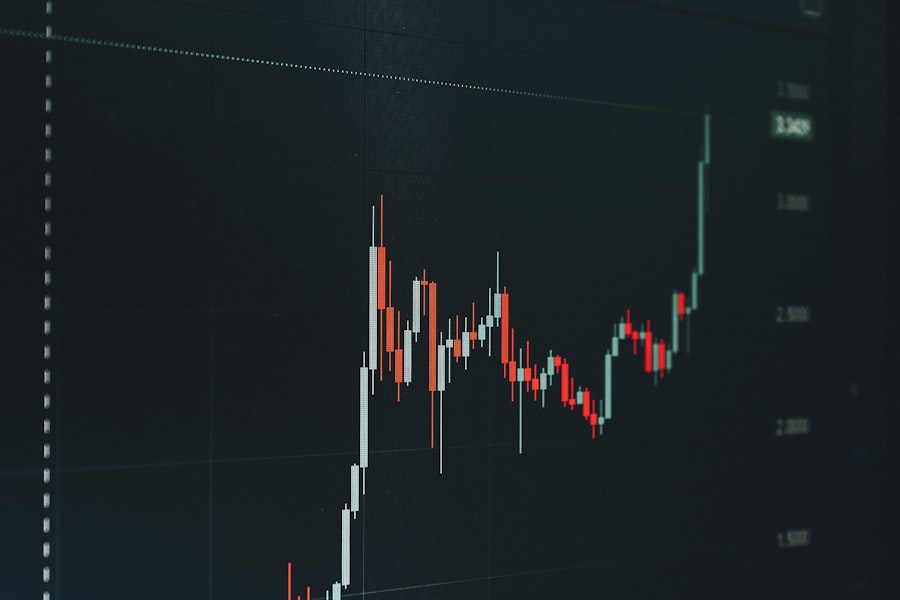
The GameStop phenomenon sent shockwaves through Wall Street, prompting significant reactions from institutional investors and hedge funds that had heavily shorted the stock. One of the most notable casualties was Melvin Capital, which suffered catastrophic losses due to its short position in GameStop. The firm required a $2.75 billion capital infusion from other hedge funds to stabilize its operations after being caught in the crossfire of the short squeeze.
This event highlighted the vulnerabilities inherent in short selling and raised questions about risk management practices among institutional investors. Moreover, the incident sparked a broader conversation about market dynamics and the power balance between retail and institutional investors. Traditional investors were left grappling with the implications of a market increasingly influenced by social media and collective action.
Many began to reassess their strategies, recognizing that retail investors could no longer be dismissed as insignificant players. The surge also led to increased scrutiny from regulators and lawmakers, who expressed concerns about market manipulation and the potential for systemic risks arising from such volatile trading behavior.
How short selling and short squeezes contributed to GameStop’s stock price surge
Short selling is a strategy that can yield substantial profits when executed correctly; however, it carries inherent risks that can lead to catastrophic losses if market conditions shift unexpectedly. In the case of GameStop, hedge funds had taken large short positions based on the assumption that the company’s declining sales and business model would lead to further declines in its stock price. However, as retail investors began buying shares en masse, they inadvertently triggered a short squeeze—a situation where short sellers are forced to buy back shares at higher prices to cover their positions, further driving up the stock price.
The mechanics of a short squeeze are particularly fascinating because they create a feedback loop that can lead to exponential price increases. As more short sellers scramble to cover their positions, they contribute to rising demand for shares, which in turn pushes prices even higher. This phenomenon was vividly illustrated during the GameStop surge when shares traded at prices that far exceeded their intrinsic value based on traditional valuation metrics.
The rapid ascent of GameStop’s stock price became a case study in market psychology, demonstrating how fear and greed can drive investor behavior in unpredictable ways.
The controversy surrounding the GameStop stock price surge: Market manipulation or fair play?
| Date | Opening Price | Closing Price | Highest Price | Lowest Price | Volume |
|---|---|---|---|---|---|
| 2024-06-20 | 18.50 | 19.10 | 19.30 | 18.40 | 12,500,000 |
| 2024-06-19 | 18.20 | 18.45 | 18.70 | 18.10 | 10,800,000 |
| 2024-06-18 | 17.90 | 18.25 | 18.40 | 17.85 | 9,750,000 |
| 2024-06-17 | 18.00 | 17.95 | 18.15 | 17.80 | 8,900,000 |
| 2024-06-16 | 17.75 | 18.05 | 18.10 | 17.70 | 11,200,000 |
The events surrounding GameStop’s stock surge ignited intense debate about whether the actions of retail investors constituted market manipulation or if they were simply exercising their rights as participants in a free market. Critics argued that coordinated buying efforts on platforms like Reddit could be seen as an attempt to manipulate stock prices artificially. Some hedge fund managers expressed outrage over what they perceived as an organized effort to undermine their positions, calling for regulatory intervention to protect institutional investors from such volatility.
On the other hand, supporters of the retail investor movement contended that they were merely engaging in legitimate trading practices and challenging an outdated system that favored institutional players. They argued that if hedge funds could engage in short selling without facing repercussions, then retail investors should have the same freedom to buy stocks based on their beliefs about a company’s future prospects. This clash between traditional views of market behavior and emerging trends in retail investing raised important questions about fairness, transparency, and accountability in financial markets.
The implications of the GameStop stock price surge for the future of investing and trading

The GameStop episode has far-reaching implications for the future of investing and trading practices. It has underscored the growing influence of retail investors and highlighted how technology can democratize access to financial markets. As more individuals turn to online platforms for trading and investment advice, traditional brokerage firms may need to adapt their business models to cater to this new wave of investors who prioritize community engagement and social validation over conventional financial analysis.
Furthermore, regulators are likely to reassess existing rules governing trading practices in light of these events. The rapid rise and fall of GameStop’s stock price raised concerns about market stability and investor protection, prompting calls for greater oversight of trading platforms and mechanisms for monitoring unusual trading activity. The incident may lead to new regulations aimed at ensuring transparency in short selling practices and protecting retail investors from potential abuses by institutional players.
Lessons learned from the GameStop stock price surge: What investors and regulators can take away from this event
The GameStop saga offers several critical lessons for both individual investors and regulators alike. For retail investors, it serves as a reminder of the importance of conducting thorough research before making investment decisions. While community-driven insights can be valuable, they should not replace fundamental analysis or due diligence.
The volatility witnessed during this period also highlights the risks associated with speculative trading strategies, particularly when driven by social media hype rather than sound financial principles. For regulators, the events surrounding GameStop underscore the need for updated frameworks that address the evolving landscape of trading and investing. As technology continues to reshape financial markets, there is an urgent need for regulations that protect investors while fostering innovation.
This may involve re-evaluating rules related to short selling, market manipulation, and transparency requirements for trading platforms that cater to retail investors.
What’s next for GameStop and its stock price: Predictions and analysis for the future
Looking ahead, predicting the future trajectory of GameStop’s stock price is fraught with uncertainty. The company has made efforts to pivot its business model by embracing e-commerce and diversifying its product offerings beyond traditional video games. However, its long-term viability remains contingent on its ability to adapt to changing consumer preferences in an increasingly digital landscape.
Analysts are divided on whether GameStop can sustain its elevated stock price levels or if it will revert to more traditional valuation metrics based on its earnings potential. Some believe that continued interest from retail investors could keep prices buoyant in the near term, while others caution that without substantial improvements in its business fundamentals, GameStop’s stock may face significant downward pressure as speculative enthusiasm wanes. In conclusion, while GameStop’s stock price surge has captured headlines and sparked debates about market dynamics, it also serves as a reflection of broader trends shaping the future of investing.
As retail investors continue to assert their influence on financial markets, both individual participants and regulatory bodies will need to navigate this new landscape with caution and foresight.

