
John Deere, a name synonymous with agricultural machinery, has been a cornerstone of the farming and construction industries since its founding in 1837. The company was established by John Deere, a blacksmith who invented the first commercially successful steel plow, which revolutionized farming in the American Midwest. Over the years, John Deere has evolved from a small blacksmith shop into a global leader in manufacturing agricultural, construction, and forestry equipment.
The brand is recognized not only for its iconic green and yellow color scheme but also for its commitment to quality, innovation, and customer service. Today, John Deere operates in over 30 countries and sells products in more than 160 markets worldwide. The company’s extensive product line includes tractors, combines, harvesters, and various implements designed to enhance productivity and efficiency on farms and construction sites.

With a rich history spanning nearly two centuries, John Deere has built a reputation for reliability and durability, making it a trusted partner for farmers and contractors alike. The company’s focus on understanding customer needs and adapting to changing market conditions has allowed it to maintain a strong presence in an increasingly competitive landscape.
Key Takeaways
- John Deere is a leading agricultural equipment manufacturer with strong financial stability.
- The company holds a competitive market position supported by innovative technology.
- Growth prospects are promising due to expansion plans and sustainability initiatives.
- Industry trends favor increased demand for advanced farming solutions.
- Despite risks, John Deere’s strategic approach makes its stock a solid investment choice.
Financial Performance and Stability

John Deere’s financial performance has consistently demonstrated resilience and stability, even amid economic fluctuations. The company reported impressive revenue figures in recent years, with total net sales reaching approximately $44 billion in fiscal year 2022. This marked a significant increase from previous years, driven by robust demand for agricultural equipment and a recovery in the construction sector following the pandemic.
The company’s ability to generate strong cash flow has enabled it to invest in research and development while also returning value to shareholders through dividends and stock buybacks. Moreover, John Deere’s balance sheet reflects its financial health, characterized by manageable debt levels and a solid credit rating. The company has maintained an investment-grade rating from major credit agencies, which underscores its ability to meet financial obligations and navigate economic uncertainties.
In addition to its strong revenue growth, John Deere has demonstrated effective cost management strategies that have contributed to improved profit margins. This financial stability positions the company well for future investments and expansion opportunities.
Market Position and Competitive Advantage
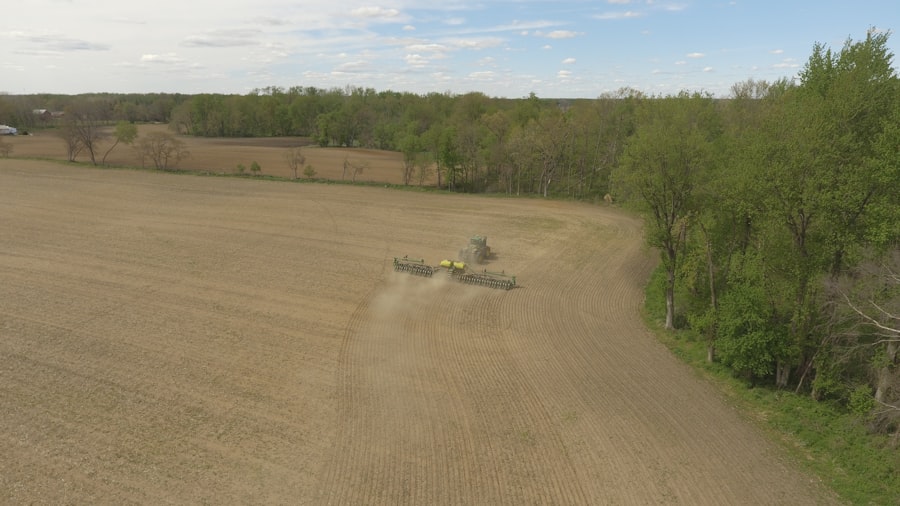
John Deere holds a prominent position in the agricultural machinery market, often regarded as one of the top manufacturers globally. Its competitive advantage stems from several factors, including brand recognition, product quality, and an extensive dealer network. The company’s long-standing reputation for producing reliable equipment has fostered customer loyalty, allowing it to maintain a significant market share in key regions such as North America and Europe.
Furthermore, John Deere’s commitment to innovation sets it apart from competitors. The company invests heavily in research and development to enhance its product offerings continually. For instance, the introduction of precision agriculture technologies has allowed farmers to optimize their operations through data-driven insights.
By integrating advanced technologies such as GPS-guided equipment and machine learning algorithms into its products, John Deere not only improves efficiency but also helps farmers make informed decisions that can lead to increased yields and reduced costs.
Growth Prospects and Expansion Plans
Looking ahead, John Deere is well-positioned for growth as it seeks to expand its market presence both domestically and internationally. The company has identified several key areas for expansion, including emerging markets where agricultural mechanization is still developing. Countries in Asia and Africa present significant opportunities for growth as farmers increasingly adopt modern farming practices to enhance productivity.
In addition to geographic expansion, John Deere is also focusing on diversifying its product offerings. The company is actively exploring opportunities in the electric vehicle segment and autonomous machinery, which are expected to play a crucial role in the future of agriculture. By investing in these innovative technologies, John Deere aims to capture new market segments while addressing the evolving needs of its customers.
This strategic approach not only positions the company for sustained growth but also reinforces its commitment to leading the industry in technological advancements.
Technological Innovation and Sustainability Initiatives
| Metric | Value |
|---|---|
| Company Name | John Deere |
| Stock Symbol | DE |
| Market Cap | 120 Billion |
| Current Stock Price | 400 |
| 52-Week High | 450 |
| 52-Week Low | 320 |
| Price to Earnings (P/E) Ratio | 18.5 |
| Dividend Yield | 1.2% |
| Average Volume | 1.5 Million |
Technological innovation is at the heart of John Deere’s strategy, driving both product development and operational efficiency. The company has embraced digital transformation by integrating smart technologies into its machinery. For example, John Deere’s Operations Center allows farmers to monitor their equipment remotely, analyze field data, and make real-time adjustments to optimize performance.
This level of connectivity enhances productivity while reducing downtime, ultimately benefiting farmers’ bottom lines. Sustainability initiatives are also a critical focus for John Deere as it seeks to address environmental concerns associated with agriculture. The company has committed to reducing greenhouse gas emissions across its operations and product lines.
By developing more fuel-efficient engines and promoting sustainable farming practices through precision agriculture technologies, John Deere aims to minimize its environmental footprint while supporting farmers in their efforts to produce food sustainably. These initiatives not only align with global sustainability goals but also resonate with consumers increasingly concerned about the environmental impact of their food sources.
Industry Trends and Market Outlook
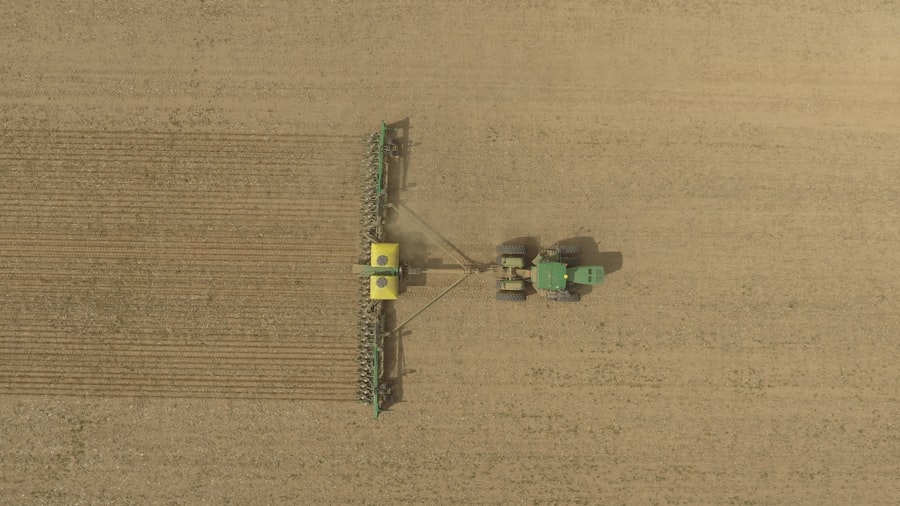
The agricultural machinery industry is undergoing significant transformation driven by several key trends. One of the most notable trends is the increasing adoption of precision agriculture technologies. Farmers are leveraging data analytics, satellite imagery, and IoT devices to enhance decision-making processes related to planting, irrigation, and harvesting.
This shift towards data-driven farming is expected to continue growing as technology becomes more accessible and affordable. Additionally, sustainability is becoming a central theme within the industry as stakeholders recognize the importance of environmentally responsible practices. Consumers are demanding transparency regarding food production methods, prompting farmers to adopt sustainable practices that minimize resource use and reduce waste.
As a leader in the industry, John Deere is well-positioned to capitalize on these trends by offering innovative solutions that align with market demands.
Risks and Challenges
Despite its strong market position and growth prospects, John Deere faces several risks and challenges that could impact its performance. Economic downturns can significantly affect demand for agricultural equipment as farmers may delay purchases during uncertain times. Fluctuations in commodity prices can also influence farmers’ purchasing decisions; lower crop prices may lead to reduced investment in new machinery.
Moreover, supply chain disruptions have emerged as a critical challenge for manufacturers across various industries, including agriculture. The COVID-19 pandemic highlighted vulnerabilities within global supply chains, leading to delays in production and increased costs for raw materials. John Deere must navigate these challenges while ensuring that it can meet customer demand without compromising quality or service levels.
Why John Deere Stock is a Strong Investment Opportunity
Investing in John Deere stock presents a compelling opportunity for investors seeking exposure to a well-established company with strong fundamentals and growth potential. The company’s consistent financial performance, robust market position, and commitment to innovation position it favorably within the agricultural machinery sector. As global demand for food continues to rise alongside increasing pressures on sustainability, John Deere’s focus on technological advancements aligns with market trends that favor efficiency and environmental responsibility.
Furthermore, John Deere’s strategic expansion plans into emerging markets and diversification into new product segments underscore its proactive approach to capturing growth opportunities. While challenges exist within the industry landscape, John Deere’s resilience and adaptability have historically enabled it to navigate uncertainties effectively. For investors looking for a stable yet growth-oriented investment in the agricultural sector, John Deere represents a strong candidate with the potential for long-term value creation.