

Fulfillment by Amazon (FBA) is a service that allows sellers to store their products in Amazon’s fulfillment centers, where Amazon takes care of storage, packaging, and shipping. This model has revolutionized e-commerce by providing sellers with a streamlined process to reach millions of customers worldwide. One of the most significant advantages of FBA is the ability to leverage Amazon’s vast logistics network.
Sellers can benefit from Amazon’s expertise in shipping and handling, which can lead to faster delivery times and improved customer satisfaction. This is particularly crucial in today’s market, where consumers expect quick and reliable shipping options. Moreover, FBA enables sellers to tap into Amazon Prime’s customer base.

Products fulfilled by Amazon are eligible for Prime, which can significantly increase visibility and sales. Prime members are known for their loyalty and propensity to purchase, often favoring products that offer free two-day shipping. Additionally, FBA provides sellers with access to Amazon’s customer service team, which handles inquiries and returns on behalf of the seller.
This not only saves time but also enhances the overall shopping experience for customers, leading to higher ratings and repeat business.
Key Takeaways
- FBA simplifies order fulfillment and offers benefits like Prime eligibility and customer trust.
- Properly setting up your FBA account is crucial for smooth operations and access to Amazon’s services.
- Optimizing product listings with keywords and quality images boosts visibility and sales.
- Effective inventory management and shipping strategies prevent stockouts and reduce costs.
- Leveraging Amazon’s advertising tools and monitoring performance enhances marketing effectiveness and growth.

Setting Up Your FBA Account
Setting up an FBA account is a straightforward process that begins with creating an Amazon Seller account. Sellers can choose between two types of accounts: Individual and Professional. The Individual account is suitable for those who plan to sell fewer than 40 items per month, while the Professional account is designed for higher-volume sellers and comes with a monthly subscription fee.
Once the seller account is established, the next step involves enrolling in the FBA program. This can be done through the Seller Central dashboard, where sellers can easily navigate to the FBA section and follow the prompts to set up their account. After enrollment, sellers must configure their shipping settings and create product listings.
This includes selecting which products they want to fulfill through FBA and preparing them for shipment to Amazon’s warehouses. It’s essential to ensure that products meet Amazon’s packaging and labeling requirements to avoid delays or issues during the fulfillment process. Sellers should also familiarize themselves with the FBA fees associated with storage and fulfillment, as these costs can impact overall profitability.
Understanding these financial aspects early on can help sellers make informed decisions about pricing and inventory management.
Optimizing Your Product Listings

Creating compelling product listings is crucial for success on Amazon, especially in a competitive marketplace. Sellers should focus on crafting informative and engaging titles that include relevant keywords. A well-optimized title not only helps improve search visibility but also provides potential buyers with essential information about the product.
For instance, including details such as brand name, product type, size, and key features can attract more clicks from interested customers. In addition to titles, high-quality images play a vital role in product listings. Amazon allows multiple images per listing, so sellers should take advantage of this by showcasing their products from various angles and in different contexts.
Lifestyle images that demonstrate the product in use can be particularly effective in helping customers visualize its benefits. Furthermore, detailed product descriptions and bullet points should highlight key features, specifications, and any unique selling propositions. By providing comprehensive information, sellers can address potential customer concerns and increase the likelihood of conversion.
Managing Inventory and Shipping
Effective inventory management is a cornerstone of successful FBA operations. Sellers must keep a close eye on stock levels to avoid running out of popular items or overstocking less popular ones. Amazon provides tools within Seller Central that allow sellers to monitor inventory levels in real-time, making it easier to make informed decisions about restocking.
Utilizing these tools can help prevent stockouts, which can lead to lost sales and negatively impact search rankings. Shipping products to Amazon’s fulfillment centers requires careful planning as well. Sellers need to create shipment plans that detail which products are being sent and in what quantities.
It’s important to follow Amazon’s guidelines for packaging and labeling to ensure smooth processing upon arrival at the warehouse. Additionally, sellers should consider using Amazon’s Inventory Performance Index (IPI) to assess their inventory health. A high IPI score indicates efficient inventory management practices, while a low score may result in storage limits or additional fees.
Utilizing Amazon’s Advertising Tools
| Metric | Description | Typical Value / Range | Importance |
|---|---|---|---|
| Account Health | Overall status of the FBA account based on performance metrics | Good, Warning, Critical | High |
| Order Defect Rate (ODR) | Percentage of orders with negative feedback, A-to-Z claims, or chargebacks | Below 1% | Critical |
| Cancellation Rate | Percentage of orders canceled by the seller before shipment | Below 2.5% | High |
| Late Shipment Rate | Percentage of orders shipped after the expected ship date | Below 4% | High |
| Inventory Performance Index (IPI) | Score measuring inventory efficiency and management | 350 to 1000 (target above 400) | High |
| Fulfillment Fees | Fees charged by Amazon for picking, packing, and shipping FBA orders | Varies by size and weight | Medium |
| Storage Fees | Monthly fees for storing inventory in Amazon fulfillment centers | Varies by volume and time of year | Medium |
| Return Rate | Percentage of orders returned by customers | Typically below 10% | Medium |
| Buy Box Percentage | Percentage of time the seller wins the Buy Box on product listings | Varies widely, often 20%-80% | High |
To enhance visibility and drive sales, sellers should take advantage of Amazon’s advertising tools. Sponsored Products is one of the most popular options, allowing sellers to promote individual listings through pay-per-click (PPC) ads that appear in search results and on product detail pages. By targeting specific keywords relevant to their products, sellers can increase their chances of being discovered by potential buyers actively searching for similar items.
Another effective advertising tool is Sponsored Brands, which enables sellers to showcase multiple products within a single ad unit. This format not only increases brand awareness but also encourages customers to explore a range of offerings from the seller’s catalog. Additionally, utilizing Amazon DSP (Demand-Side Platform) allows sellers to reach audiences beyond Amazon through programmatic advertising across various websites and apps.
By strategically leveraging these advertising tools, sellers can boost their product visibility, drive traffic to their listings, and ultimately increase sales.
Monitoring and Analyzing Your FBA Performance
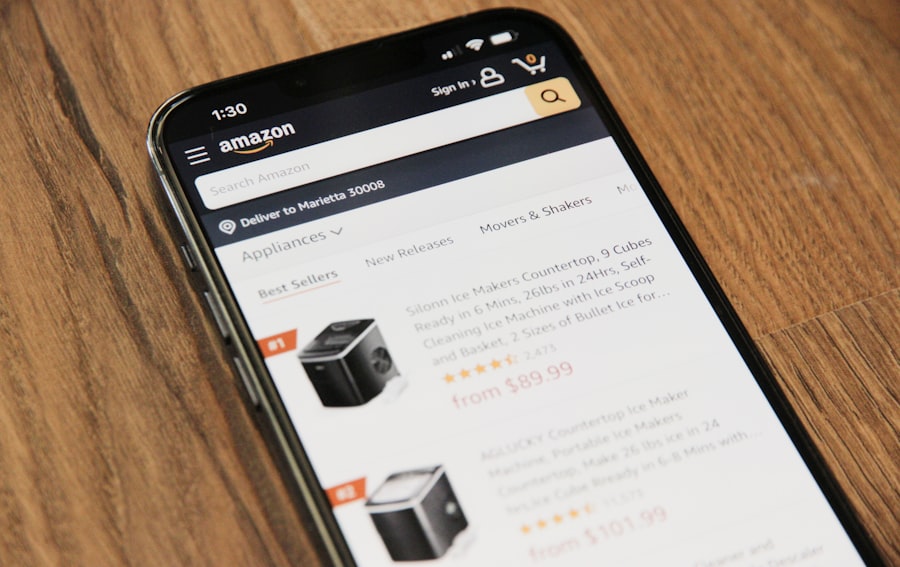
Regularly monitoring performance metrics is essential for optimizing an FBA business. Amazon provides a wealth of data through Seller Central that allows sellers to track key performance indicators (KPIs) such as sales volume, conversion rates, and customer feedback. By analyzing this data, sellers can identify trends and make informed decisions about their inventory, pricing strategies, and marketing efforts.
For instance, if a seller notices a decline in conversion rates for a particular product, it may indicate that the listing needs optimization or that competition has increased. Conversely, an uptick in sales could suggest that recent advertising efforts are paying off or that seasonal demand is influencing purchasing behavior. By staying attuned to these metrics, sellers can adapt their strategies proactively rather than reactively, ensuring sustained growth in their FBA business.
Providing Exceptional Customer Service
Customer service is a critical component of any successful e-commerce operation, and FBA sellers are no exception. While Amazon handles much of the customer service for FBA orders, sellers still have a role in ensuring customer satisfaction through proactive communication and responsiveness. Addressing customer inquiries promptly can lead to positive reviews and repeat business, which are vital for maintaining a strong seller reputation on the platform.
Additionally, managing returns effectively is crucial for maintaining customer trust. Amazon’s return policy allows customers to return items easily; however, sellers should monitor return reasons closely to identify any patterns that may indicate issues with product quality or misrepresentation in listings. By addressing these concerns proactively—whether through improved product descriptions or quality control measures—sellers can enhance customer satisfaction and reduce return rates.
Staying Compliant with Amazon’s Policies
Compliance with Amazon’s policies is paramount for maintaining a successful FBA business. Sellers must familiarize themselves with Amazon’s guidelines regarding product listings, pricing practices, and customer interactions to avoid potential penalties or account suspensions. Regularly reviewing these policies ensures that sellers remain informed about any updates or changes that could impact their operations.
Moreover, adhering to intellectual property rights is crucial when selling on Amazon. Sellers should ensure that they have the right to sell the products they list and avoid infringing on trademarks or copyrights. Engaging in practices such as counterfeit selling or listing prohibited items can lead to severe consequences, including account termination.
By prioritizing compliance and ethical selling practices, sellers not only protect their businesses but also contribute positively to the overall integrity of the Amazon marketplace.


