

Amazon liquidation pallets are collections of unsold or returned merchandise that retailers, including Amazon, sell in bulk to liquidators. These pallets can contain a wide variety of items, ranging from electronics and home goods to clothing and toys. The primary reason for the existence of these liquidation pallets is to clear out excess inventory, manage returns, and recover some of the costs associated with unsold products.
For many entrepreneurs and small business owners, purchasing these pallets presents an opportunity to acquire products at a fraction of their retail value, allowing for potential profit when reselling. The contents of liquidation pallets can be unpredictable, which adds an element of excitement and risk to the purchasing process. Buyers often find themselves sifting through a mix of brand-new items, open-box products, and sometimes damaged goods.

This unpredictability can be both a challenge and an advantage; while some pallets may yield high-value items that can be resold for significant profit, others may contain products that are difficult to sell or require additional investment to repair or refurbish. Understanding the nature of these pallets is crucial for anyone looking to enter this market, as it sets the stage for informed purchasing decisions and effective inventory management.
Key Takeaways
- Amazon liquidation pallets consist of returned, overstocked, or unsold items sold in bulk at discounted prices.
- Effective sourcing and thorough inspection are crucial to identify valuable products within liquidation pallets.
- Reselling through online platforms can maximize profits by reaching a broader customer base.
- Proper inventory management and fulfillment strategies help streamline operations and improve customer satisfaction.
- Building a sustainable business requires consistent market research, quality control, and adapting to industry trends.
Sourcing and Purchasing Amazon Liquidation Pallets

Sourcing Amazon liquidation pallets involves identifying reliable suppliers who can provide quality merchandise at competitive prices. Various platforms facilitate the purchase of these pallets, including online auction sites, liquidation marketplaces, and direct liquidation companies. Websites like Liquidation.com, B-Stock, and Direct Liquidation are popular choices among resellers.
Each platform has its own set of rules, fees, and bidding processes, so it’s essential for buyers to familiarize themselves with these details before making a purchase. When purchasing liquidation pallets, it’s important to conduct thorough research on the supplier’s reputation. Reading reviews and testimonials from previous buyers can provide valuable insights into the quality of the products and the reliability of the seller.
Additionally, potential buyers should consider attending liquidation auctions in person or virtually to gain firsthand experience and better understand the bidding process. Establishing relationships with suppliers can also lead to better deals and access to exclusive inventory. By building a network within the liquidation community, resellers can enhance their sourcing capabilities and increase their chances of acquiring high-quality pallets.
Sorting and Inspecting Amazon Liquidation Pallets
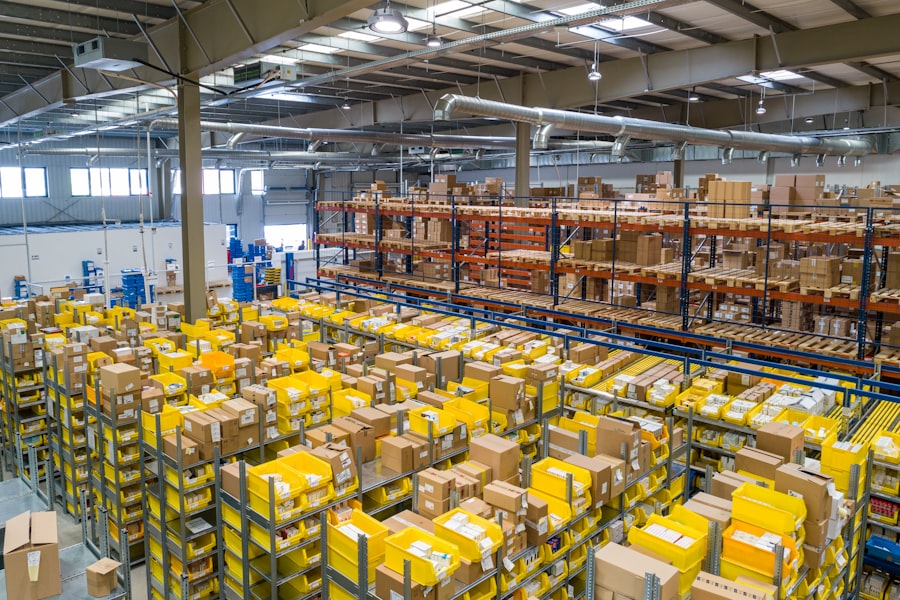
Once a liquidation pallet has been purchased, the next step is sorting and inspecting its contents. This process is critical for determining the potential resale value of the items within the pallet. Upon receiving the pallet, it is advisable to carefully unpack each item and assess its condition.
Items should be categorized based on their type, condition, and potential resale value. For instance, electronics may require testing to ensure they function properly, while clothing items should be checked for stains or damage. During the inspection process, it’s also beneficial to research each item’s market value using online platforms such as eBay or Amazon itself.
This research helps in setting realistic pricing strategies for resale. Additionally, documenting the condition of each item with photographs can be useful for future reference and for creating listings on selling platforms. By meticulously sorting and inspecting the contents of a liquidation pallet, resellers can make informed decisions about which items to keep for resale and which may need to be discarded or donated.
Maximizing Profits through Reselling Amazon Liquidation Pallets
Maximizing profits from Amazon liquidation pallets requires strategic planning and effective marketing techniques. One key aspect is understanding pricing strategies; resellers must strike a balance between competitive pricing and profitability. Conducting market research to identify similar items’ selling prices can help in setting appropriate price points.
Additionally, offering bundle deals or discounts on multiple items can attract more buyers and increase overall sales volume. Another effective strategy is leveraging seasonal trends and consumer demand. For example, certain products may sell better during specific times of the year, such as holiday-themed items during the festive season or outdoor gear in spring and summer.
By aligning inventory with market demand, resellers can optimize their sales potential. Furthermore, utilizing social media platforms for marketing can significantly enhance visibility; showcasing unique finds or limited-time offers can create urgency among potential buyers.
Utilizing Online Platforms for Selling Amazon Liquidation Pallets
| Metric | Description | Typical Range | Notes |
|---|---|---|---|
| Pallet Size | Dimensions of the pallet | 48″ x 40″ (standard) | Standard US pallet size used for liquidation |
| Weight per Pallet | Average weight of a pallet | 300 – 1000 lbs | Varies depending on product category |
| Number of Units | Approximate number of individual items per pallet | 50 – 300 units | Depends on product size and packaging |
| Product Categories | Common categories found in liquidation pallets | Electronics, Home Goods, Clothing, Toys | Varies by shipment and liquidation source |
| Condition | Typical condition of items | New, Open Box, Customer Returns, Refurbished | Condition affects resale value |
| Price per Pallet | Cost to purchase a pallet | 200 – 1500 | Prices vary widely based on contents and condition |
| Resale Potential | Estimated percentage of items resellable | 60% – 90% | Depends on product condition and demand |
| Turnaround Time | Time to receive pallet after purchase | 3 – 10 days | Shipping and processing times vary |
In today’s digital age, online platforms play a crucial role in selling products sourced from liquidation pallets. Websites like eBay, Amazon Marketplace, Facebook Marketplace, and Poshmark provide resellers with vast audiences eager to purchase various items. Each platform has its own set of rules regarding listings, fees, and shipping options, so understanding these nuances is essential for successful selling.
Creating compelling listings is vital for attracting buyers; high-quality images and detailed descriptions can significantly impact sales. Highlighting unique features or benefits of each item can help differentiate them from similar products available online. Additionally, utilizing keywords effectively in product titles and descriptions can improve search visibility on these platforms.
Engaging with customers through prompt responses to inquiries and maintaining a positive seller rating can also enhance credibility and encourage repeat business.
Managing Inventory and Fulfillment for Amazon Liquidation Pallets

Effective inventory management is crucial for resellers dealing with Amazon liquidation pallets. Keeping track of stock levels, sales trends, and reorder points ensures that businesses remain organized and responsive to market demands. Utilizing inventory management software can streamline this process by providing real-time data on stock levels and sales performance.
This technology allows resellers to make informed decisions about restocking popular items or discontinuing slow-moving products. Fulfillment methods also play a significant role in customer satisfaction. Resellers must decide whether to handle shipping themselves or utilize third-party fulfillment services like Fulfillment by Amazon (FBA).
FBA allows sellers to store their products in Amazon’s warehouses while Amazon takes care of storage, packaging, and shipping logistics. This option can save time and effort but comes with associated fees that need to be factored into overall profitability calculations.
Building a Sustainable Business Model with Amazon Liquidation Pallets
Creating a sustainable business model around Amazon liquidation pallets involves more than just buying low and selling high; it requires strategic planning and adaptability. Resellers should consider diversifying their product offerings by exploring different categories within liquidation pallets. This diversification can help mitigate risks associated with market fluctuations in specific product categories.
Additionally, establishing a brand identity can enhance customer loyalty and recognition in a competitive marketplace. This could involve creating a professional website or social media presence that reflects the values and mission of the business. Engaging with customers through newsletters or loyalty programs can foster long-term relationships and encourage repeat purchases.
By focusing on sustainability in both product sourcing and customer engagement strategies, resellers can build a resilient business that thrives in the ever-evolving landscape of e-commerce.
Tips for Success in the Amazon Liquidation Pallets Industry
Success in the Amazon liquidation pallets industry hinges on several key practices that aspiring resellers should adopt. First and foremost is continuous learning; staying informed about market trends, consumer preferences, and changes in e-commerce regulations can provide a competitive edge. Joining online forums or groups dedicated to liquidation reselling can facilitate knowledge sharing among peers.
Networking is another critical component; building relationships with other resellers can lead to valuable insights and potential collaboration opportunities. Attending trade shows or industry events can also expand one’s network while providing exposure to new products and suppliers. Finally, maintaining a positive mindset is essential; challenges are inevitable in any business venture, but resilience and adaptability will ultimately determine long-term success in the dynamic world of Amazon liquidation pallets.


