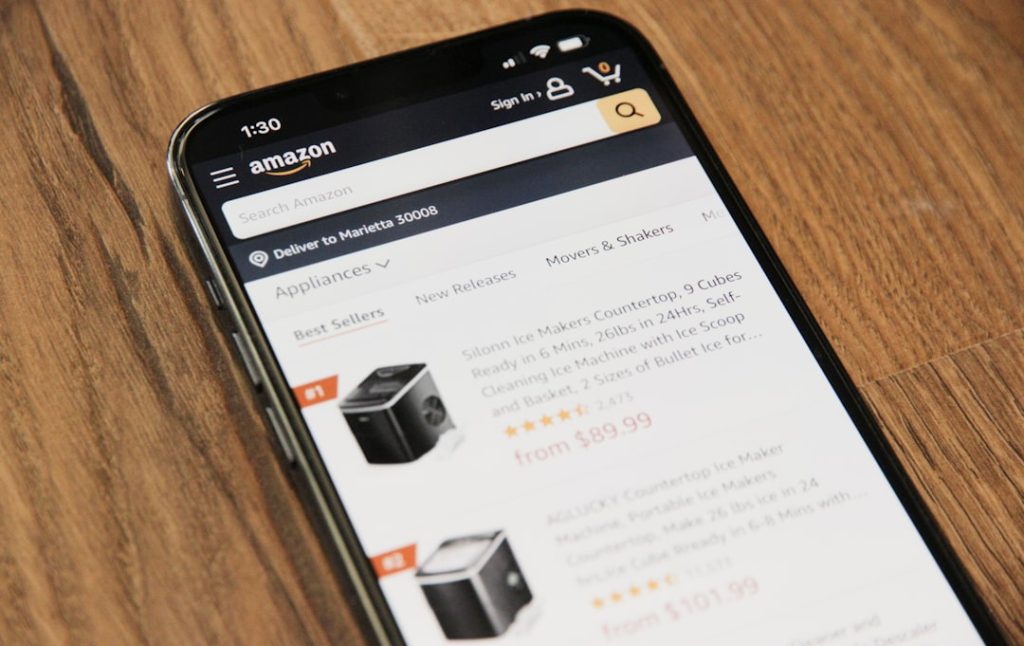
Amazon, as a vast digital marketplace, presents numerous avenues for income generation. Navigating this ecosystem effectively requires a strategic approach, encompassing product selection, operational efficiency, and a deep understanding of Amazon’s various programs. This article outlines key strategies for maximizing one’s income stream on the platform.
The foundation of any successful Amazon venture lies in astute product sourcing and selection. This initial phase is critical, as it dictates subsequent marketing efforts and potential profitability.
Identifying Niche Markets

Focusing on niche markets is often more lucrative than attempting to compete in oversaturated categories. Niche markets typically have less competition, allowing for higher profit margins and easier brand penetration. Research tools can help identify products with high demand and low supply. Analyzing Amazon’s Best Sellers Rank (BSR) within specific categories can provide insights into product velocity. A lower BSR indicates higher sales volume for a given product.
Analyzing Competitor Landscape
Before committing to a product, a thorough analysis of competitors is essential. This involves examining their product listings, pricing strategies, customer reviews, and advertising approaches. Identifying gaps in their offerings or weaknesses in their customer service can provide opportunities for differentiation. For instance, if competitors consistently receive negative feedback regarding a specific product feature, addressing that deficiency in your own offering can create a competitive advantage.
Understanding Product Margins

Profitability hinges on understanding your product margins. This isn’t simply the difference between your wholesale cost and your selling price. It must account for Amazon’s various fees, including referral fees, fulfillment fees (if using FBA), storage fees, and advertising costs. A comprehensive calculation of landed cost and all associated Amazon fees is paramount to determining a viable selling price and ensuring adequate profit. Products with high margins offer greater flexibility in pricing and advertising strategies.
Optimizing Product Listings
Once products are sourced, their presentation on Amazon directly influences conversion rates. A well-optimized product listing acts as a silent salesperson, guiding potential customers toward a purchase.
Crafting Compelling Product Titles
Product titles are often the first point of contact for a customer. They should be clear, concise, and incorporate relevant keywords that customers are likely to use in their searches. Amazon allows a certain character limit, which should be utilized effectively to convey key product attributes and benefits without keyword stuffing. For example, instead of “Wireless Earbuds,” consider “Bluetooth 5.3 Wireless Earbuds with Noise Cancellation and 30-Hour Playtime.”
Developing Engaging Product Descriptions
The product description provides a deeper dive into the item’s features and benefits. It should address potential customer pain points and explain how the product offers a solution. Using bullet points for key features enhances readability. Amazon allows for Enhanced Brand Content (EBC) or A+ Content for registered brands, which allows for more visually appealing and detailed descriptions, including images and comparison charts. This can significantly improve engagement and conversion.
Leveraging High-Quality Images and Videos
Visuals are critical in online retail. High-resolution images from multiple angles showcasing the product in use are essential. Amazon encourages at least seven images, including a main image on a pure white background. Videos, demonstrating the product’s functionality or showcasing testimonials, can further enhance the listing’s appeal and provide a more comprehensive understanding for the customer. Think of images and videos as the storefront window; they invite the customer inside.
Utilizing Backend Search Terms
Beyond the visible elements of your listing, backend search terms play a crucial role in discoverability. These are keywords that customers won’t see but that Amazon uses to match searches with your product. Research relevant long-tail keywords and synonyms that your target audience might employ. Avoid duplicating keywords already used in your title or bullet points.
Mastering Amazon’s Fulfillment Methods

Amazon offers distinct fulfillment options, Fulfillment by Amazon (FBA) and Fulfillment by Merchant (FBM), each with its own advantages and disadvantages. Choosing the appropriate method is vital for operational efficiency and customer satisfaction.
Benefits and Drawbacks of FBA
FBA, where Amazon handles storage, picking, packing, shipping, customer service, and returns, offers significant advantages. It grants products the Prime badge, which often leads to increased sales due to customer preference for fast, free shipping. However, FBA incurs various fees, including storage fees, fulfillment fees, and potentially long-term storage fees. It also means relinquishing direct control over the shipping process.
Advantages and Challenges of FBM
FBM allows sellers to maintain full control over inventory, packaging, and shipping. This can be beneficial for high-value items, fragile products, or sellers with existing robust fulfillment infrastructure. However, FBM sellers do not automatically qualify for the Prime badge unless enrolled in Seller Fulfilled Prime, which has stringent performance requirements. Customer service and returns management also fall entirely on the seller with FBM.
Hybrid Fulfillment Strategies
Many sellers adopt a hybrid approach, utilizing FBA for their best-selling, high-velocity products and FBM for slower-moving, oversized, or specialized items. This strategy leverages the benefits of both models, optimizing for both speed and cost efficiency. For example, a seller might use FBA for their core product line and FBM for replacement parts or niche accessories.
Implementing Effective Advertising Strategies

Even with a perfectly optimized listing, visibility remains paramount. Amazon’s advertising platform, Amazon Ads, provides powerful tools to drive traffic to your products.
Sponsored Products Campaigns
Sponsored Products are keyword-targeted ads that appear within search results and on product detail pages. They are a direct way to increase product visibility and drive immediate sales. Implementing both automatic and manual targeting campaigns is often recommended. Automatic campaigns allow Amazon to show your ads to relevant searches, while manual campaigns allow for precise targeting of specific keywords. Analyzing search term reports from automatic campaigns can uncover new keywords for manual campaigns.
Sponsored Brands Campaigns
Sponsored Brands (formerly Headline Search Ads) appear prominently at the top of search results, showcasing a brand’s logo, a custom headline, and up to three products. These campaigns are excellent for brand building and driving traffic to an Amazon Storefront. They require brand registry. The ad acts as a billboard for your brand, capturing attention before a customer even scrolls down.
Sponsored Display Campaigns
Sponsored Display ads target specific audiences both on and off Amazon. These ads can retarget customers who have viewed your products but not purchased, or target customers based on their shopping behaviors and interests. This allows for a broader reach and continued brand exposure, keeping your products top-of-mind for potential buyers.
Measuring and Optimizing Ad Performance
Regularly monitoring key metrics such as Advertising Cost of Sales (ACOS), Click-Through Rate (CTR), and conversion rate is crucial for optimizing ad campaigns. Adjusting bids, refining keywords, and testing different ad creatives can significantly improve campaign effectiveness and return on investment. Without consistent analysis, advertising spend can become a leaky bucket, draining resources without adequate returns.
Managing Customer Experience and Reputation
| Income Stream | Description | Estimated Annual Revenue (in billions) | Percentage of Total Revenue |
|---|---|---|---|
| Online Stores | Sales of products directly through Amazon’s retail websites | 300 | 50% |
| Third-Party Seller Services | Fees and commissions from third-party sellers using Amazon’s platform | 100 | 17% |
| Amazon Web Services (AWS) | Cloud computing services and infrastructure | 80 | 13% |
| Subscription Services | Amazon Prime memberships, Audible, Kindle Unlimited, and other subscriptions | 40 | 7% |
| Advertising Services | Advertising revenue from sponsored products and display ads | 35 | 6% |
| Physical Stores | Revenue from Amazon-owned physical retail stores like Whole Foods | 25 | 4% |
In the Amazon ecosystem, customer satisfaction directly impacts a seller’s livelihood. Positive customer experiences lead to better reviews, higher product rankings, and ultimately, increased sales.
Prompt and Professional Customer Service
Responding to customer inquiries promptly and professionally is non-negotiable. Whether handling questions about product specifications or addressing shipping concerns, clear and helpful communication builds trust. Amazon tracks seller response times, which can affect performance metrics. Treat every customer interaction as an opportunity to reinforce your brand’s commitment to quality service.
Soliciting and Managing Product Reviews
Product reviews are the social proof that drives purchasing decisions. Actively and ethically soliciting reviews after a purchase can significantly boost a product’s credibility. Amazon’s “Request a Review” button within Seller Central is a sanctioned method. However, directly incentivizing reviews is against Amazon’s terms of service. Negative reviews should be addressed constructively and respectfully, offering solutions or clarifications. A well-managed stream of reviews is akin to a flowing river, nourishing the landscape of your product’s appeal.
Handling Returns and Refunds Efficiently
Returns are an inevitable part of e-commerce. A streamlined and customer-friendly return process can turn a potentially negative experience into a positive one. Clear return policies, prompt processing of refunds, and accessible customer support for returns are vital. Amazon measures various metrics related to returns, and maintaining a healthy return rate is important for account health.
Scaling and Expanding Your Amazon Business
Once an initial income stream is established, strategic scaling and expansion can unlock further growth potential.
Expanding Product Lines
Introducing complementary products or variations of existing successful products can leverage existing customer bases and brand recognition. For example, if a specific kitchen gadget sells well, introducing accessories or a different color variant can capitalize on that success. This diversification can also mitigate risk if one product experiences a downturn.
Exploring International Marketplaces
Amazon operates numerous international marketplaces. Expanding to markets in Europe, Canada, Mexico, or Australia can open up new customer segments and revenue streams. This requires understanding different tax regulations, shipping logistics, and cultural nuances specific to each region. Translating listings accurately and providing localized customer support are crucial for success in international markets.
Building an External Brand Presence
While Amazon is a powerful sales channel, building an external brand presence (e.g., a dedicated e-commerce website, social media presence) can create a more resilient business. This provides alternative sales avenues and allows for direct communication with customers, fostering loyalty that transcends the Amazon platform. An external brand presence acts as a sturdy bridge, connecting your Amazon operations to a broader, more independent business landscape.
Continuous Learning and Adaptation
The Amazon marketplace is dynamic and subject to frequent changes in policies, algorithms, and market trends. Continuous learning, staying updated with Amazon’s announcements, and adapting strategies accordingly are fundamental to long-term success. Engaging with seller communities, attending webinars, and analyzing industry reports can provide valuable insights for ongoing optimization. The Amazon landscape is ever-shifting sand; those who adapt their footing are less likely to sink.
Maximizing your Amazon income stream is an ongoing process that demands diligence, strategic planning, and a commitment to customer satisfaction. By meticulously managing product sourcing, optimizing listings, utilizing effective fulfillment and advertising strategies, and prioritizing customer experience, sellers can build a robust and sustainable business on the platform.