

Amazon’s inventory management system is a complex and sophisticated framework designed to facilitate the efficient handling of products from suppliers to consumers. At its core, the system integrates various components, including warehousing, order fulfillment, and real-time tracking of stock levels. Sellers on Amazon must navigate this intricate system to ensure that their products are available when customers want them, while also minimizing costs associated with storage and unsold inventory.
The platform employs advanced algorithms that predict demand based on historical sales data, seasonal trends, and consumer behavior, allowing sellers to make informed decisions about restocking and inventory levels. One of the key features of Amazon’s inventory management system is its ability to provide sellers with real-time insights into their stock levels. This transparency is crucial for maintaining optimal inventory levels and avoiding stockouts or overstock situations.

Sellers can access detailed reports that highlight sales velocity, inventory turnover rates, and other critical metrics. By understanding these metrics, sellers can adjust their purchasing strategies accordingly, ensuring that they have the right amount of product on hand to meet customer demand without incurring unnecessary storage fees. Additionally, Amazon’s system allows for seamless integration with third-party inventory management tools, further enhancing a seller’s ability to manage their stock effectively.
Key Takeaways
- Effective inventory management on Amazon requires understanding its system and leveraging FBA benefits.
- Optimizing inventory turnover involves strategic stock levels and timely replenishment.
- Data analysis and demand forecasting are crucial for maintaining optimal inventory and reducing costs.
- Just-in-time practices and managing seasonal trends help maximize profits and minimize overstock.
- Repricing and liquidating slow-moving items efficiently can reduce storage fees and improve cash flow.
Strategies for Optimizing Inventory Turnover on Amazon

Optimizing inventory turnover is essential for sellers on Amazon, as it directly impacts cash flow and profitability. One effective strategy is to implement a robust forecasting model that takes into account historical sales data, market trends, and seasonality. By analyzing past performance, sellers can identify patterns in consumer behavior and adjust their inventory levels accordingly.
For instance, if a particular product consistently sells well during the holiday season, sellers can increase their stock in anticipation of heightened demand. This proactive approach not only helps prevent stockouts but also ensures that sellers are not left with excess inventory after peak sales periods. Another strategy for optimizing inventory turnover is to diversify product offerings.
By expanding their product range, sellers can attract a broader customer base and reduce reliance on a single product line. This diversification can mitigate risks associated with fluctuating demand for specific items. For example, a seller who specializes in outdoor gear might consider adding complementary products such as camping accessories or hiking apparel.
This not only increases the chances of making sales but also enhances the overall shopping experience for customers, leading to higher conversion rates and improved inventory turnover.
Leveraging Amazon’s FBA (Fulfillment by Amazon) Program

Fulfillment by Amazon (FBA) is a powerful tool that allows sellers to streamline their logistics and enhance customer satisfaction. By utilizing FBA, sellers can store their products in Amazon’s fulfillment centers, where Amazon takes care of storage, packaging, and shipping. This not only saves time and resources but also provides sellers with access to Amazon’s vast customer base and Prime membership benefits.
Products fulfilled by Amazon are often given priority in search results and are eligible for Prime shipping, which can significantly boost sales. Moreover, FBA offers sellers the advantage of scalability. As demand for a product increases, sellers can easily adjust their inventory levels without worrying about the logistics of shipping and handling.
This flexibility is particularly beneficial during peak seasons or promotional events when sales volumes can fluctuate dramatically. Additionally, FBA provides sellers with valuable insights into customer preferences and buying patterns through detailed analytics, enabling them to make data-driven decisions about inventory management and product offerings.
Utilizing Data Analysis to Forecast Demand and Optimize Inventory Levels
Data analysis plays a pivotal role in effective inventory management on Amazon. By leveraging tools that analyze sales data, market trends, and consumer behavior, sellers can gain valuable insights into future demand for their products. For instance, using historical sales data to identify trends can help sellers anticipate fluctuations in demand based on seasonal changes or upcoming holidays.
Advanced analytics tools can also incorporate external factors such as economic indicators or competitor pricing strategies to provide a more comprehensive view of potential demand. In addition to forecasting demand, data analysis can help sellers optimize their inventory levels by identifying slow-moving products that may require strategic adjustments. For example, if data reveals that a particular item has consistently underperformed over several months, sellers can consider implementing promotional strategies or bundling it with more popular products to stimulate sales.
Conversely, if certain items are selling quickly, sellers can increase their stock levels to capitalize on the demand before it wanes. By continuously monitoring and analyzing data, sellers can make informed decisions that enhance their overall inventory management strategy.
Implementing Just-in-Time Inventory Management Practices on Amazon
| Metric | Description | Example Value | Unit |
|---|---|---|---|
| Inventory Turnover | Number of times inventory is sold and replaced over a period | 8 | Times per year |
| Days of Inventory | Average number of days inventory is held before sale | 45 | Days |
| Stock Keeping Units (SKUs) | Total number of unique products in inventory | 12,000 | Units |
| Fulfillment Center Capacity | Maximum inventory storage capacity of Amazon fulfillment centers | 1,000,000 | Units |
| Backorder Rate | Percentage of orders delayed due to inventory unavailability | 2.5 | Percent |
| Inventory Accuracy | Percentage of inventory records that match physical stock | 99.7 | Percent |
| Inbound Shipments | Number of shipments received into inventory per month | 15,000 | Shipments |
| Outbound Shipments | Number of shipments sent out to customers per month | 14,500 | Shipments |
Just-in-Time (JIT) inventory management is a strategy that focuses on minimizing inventory levels while ensuring that products are available when needed. This approach is particularly relevant for Amazon sellers who want to reduce storage costs and improve cash flow. By adopting JIT practices, sellers can order products from suppliers only when there is confirmed demand, thereby reducing the risk of overstocking and associated storage fees.
To successfully implement JIT practices on Amazon, sellers must establish strong relationships with reliable suppliers who can deliver products quickly and efficiently. This may involve negotiating favorable terms that allow for flexible ordering schedules or shorter lead times. Additionally, utilizing Amazon’s analytics tools can help sellers identify optimal reorder points based on sales velocity and lead times from suppliers.
By aligning inventory purchases closely with actual sales patterns, sellers can maintain lean inventory levels while still meeting customer expectations for timely delivery.
Managing Seasonal and Trending Products to Maximize Profits on Amazon
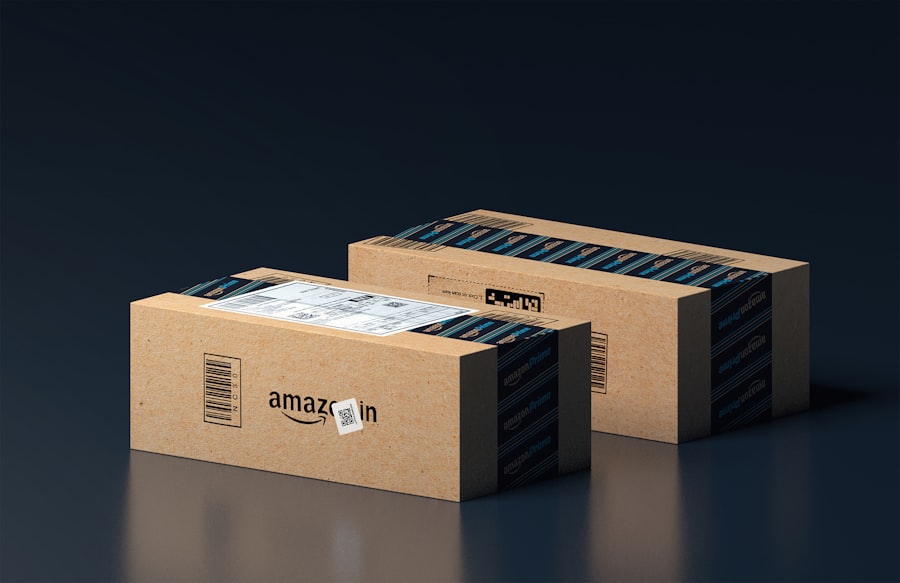
Seasonal and trending products present unique opportunities for Amazon sellers to maximize profits. Understanding the cyclical nature of consumer demand is crucial for effectively managing these types of products. For instance, items such as holiday decorations or summer apparel experience predictable spikes in demand during specific times of the year.
Sellers should prepare well in advance by analyzing historical sales data to determine optimal stock levels for these seasonal items. In addition to seasonal products, trending items often emerge due to social media influence or viral marketing campaigns. Sellers must stay attuned to market trends and consumer interests to capitalize on these fleeting opportunities.
Utilizing tools like Google Trends or social media analytics can provide insights into emerging trends that may impact product demand. By being proactive in sourcing trending products and adjusting inventory levels accordingly, sellers can position themselves to take advantage of short-lived market opportunities while minimizing the risk of excess stock once the trend subsides.
Minimizing Amazon Storage Fees and Overstock Costs
Amazon’s storage fees can significantly impact a seller’s profitability if not managed effectively. To minimize these costs, sellers should regularly review their inventory levels and identify slow-moving items that may be incurring unnecessary storage fees. Implementing a systematic approach to inventory audits can help sellers pinpoint which products are not performing well and require strategic action.
One effective tactic for reducing storage fees is to utilize promotional strategies such as discounts or bundling offers for slow-moving items. By incentivizing customers to purchase these products, sellers can clear out excess stock while simultaneously increasing sales volume. Additionally, leveraging Amazon’s advertising tools can help boost visibility for these items, driving traffic and potentially converting sales that would otherwise contribute to storage costs.
Best Practices for Repricing and Liquidating Slow-Moving Inventory on Amazon
Repricing strategies are essential for managing slow-moving inventory effectively on Amazon. Sellers should regularly assess their pricing strategies based on market conditions, competitor pricing, and overall demand for their products. Utilizing automated repricing tools can streamline this process by adjusting prices dynamically based on predefined rules or competitor actions.
This ensures that prices remain competitive while maximizing profit margins. When it comes to liquidating slow-moving inventory, sellers should consider various approaches such as flash sales or clearance events to create urgency among buyers. Additionally, offering bundled deals or discounts can encourage customers to purchase multiple items at once, helping to clear out excess stock more efficiently.
Engaging with customers through targeted email campaigns or social media promotions can also drive interest in slow-moving items, ultimately leading to increased sales and reduced inventory levels. By implementing these best practices for repricing and liquidation, sellers can effectively manage their inventory on Amazon while minimizing losses associated with slow-moving products. The key lies in being proactive and responsive to market dynamics while continuously analyzing performance metrics to inform decision-making processes.


