

Passive income is a financial concept that refers to earnings derived from ventures in which a person is not actively involved. This can include various sources such as rental income, dividends from investments, or profits from a business that requires minimal day-to-day management. Vending machines epitomize this idea, as they allow individuals to generate revenue with relatively low ongoing effort after the initial setup.
The appeal of vending machines lies in their ability to operate around the clock, providing a steady stream of income without the need for constant supervision. The vending machine business has evolved significantly over the years, transitioning from simple snack dispensers to sophisticated machines that offer a wide range of products, including healthy snacks, beverages, and even electronics. This evolution has made vending machines an attractive option for entrepreneurs seeking passive income.

With the right strategy, a well-placed vending machine can yield substantial returns, making it a viable investment for those looking to diversify their income streams. Understanding the mechanics of passive income through vending machines is crucial for anyone considering entering this market.
Key Takeaways
- Passive income from vending machines requires strategic location and product selection.
- Regular maintenance and servicing are crucial to ensure consistent profitability.
- Leveraging technology can optimize operations and increase revenue.
- Effective marketing boosts visibility and customer engagement for vending machines.
- Scaling the business thoughtfully helps maximize passive income while avoiding common pitfalls.
Choosing the Right Location for Your Vending Machines

The success of a vending machine largely hinges on its location. High-traffic areas such as schools, hospitals, office buildings, and shopping centers are prime spots for vending machines due to the constant flow of potential customers. For instance, placing a vending machine in a busy hospital can cater to visitors and staff who may need quick snacks or beverages during long hours.
Similarly, vending machines in schools can provide students with convenient access to snacks between classes, ensuring a steady stream of sales throughout the day. When selecting a location, it is essential to conduct thorough research and analysis. Factors such as foot traffic, demographics, and competition should be considered.
For example, a vending machine offering healthy snacks may perform exceptionally well in a fitness center or corporate office where health-conscious individuals frequent. Conversely, a machine stocked with traditional snacks might thrive in a high school or recreational area. Additionally, negotiating placement agreements with property owners can lead to mutually beneficial arrangements that enhance profitability while minimizing operational challenges.
Selecting Profitable Products for Your Vending Machines
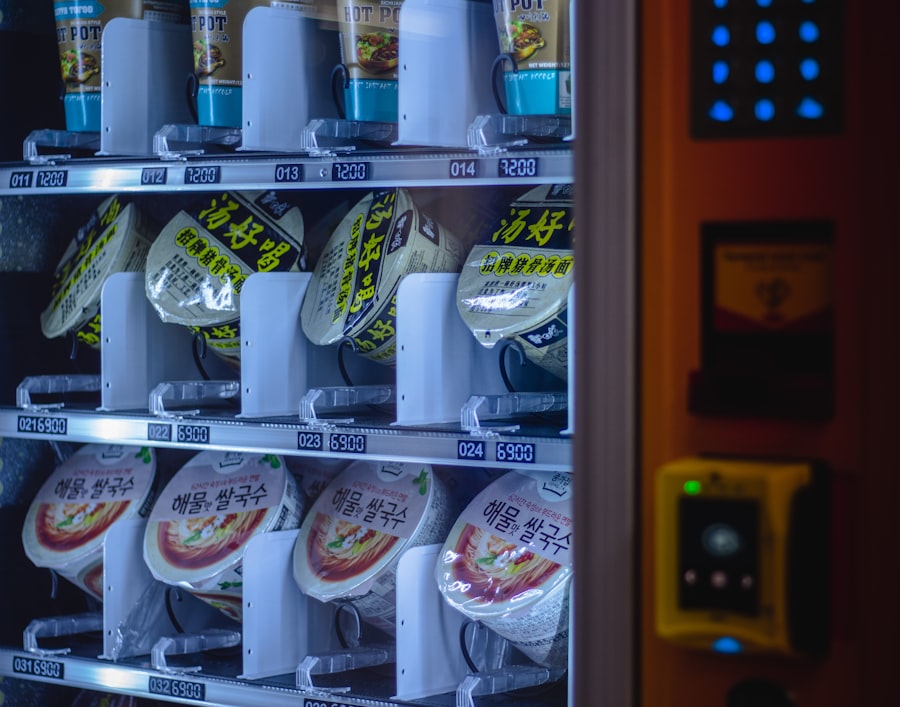
Choosing the right products to stock in your vending machines is critical to maximizing profitability. The product selection should align with the preferences of the target demographic in the chosen location. For instance, if your vending machine is situated in a gym, offering protein bars, energy drinks, and healthy snacks would likely attract fitness enthusiasts.
Conversely, a vending machine located near a college campus might benefit from stocking popular items like chips, candy bars, and soft drinks that appeal to students seeking quick and affordable snacks. Market trends also play a significant role in product selection. The growing demand for healthier options has led many vending machine operators to diversify their offerings by including organic snacks, gluten-free products, and beverages with lower sugar content.
Additionally, seasonal products can boost sales; for example, offering hot beverages during winter months or refreshing drinks during summer can cater to changing consumer preferences. Regularly analyzing sales data and customer feedback can help operators adjust their inventory to ensure they are meeting demand effectively.
Maintaining and Servicing Your Vending Machines for Maximum Profit
Regular maintenance and servicing of vending machines are essential for ensuring optimal performance and profitability. Machines that are well-maintained not only function more efficiently but also enhance customer satisfaction. A malfunctioning machine can lead to lost sales and frustrated customers who may choose not to return.
Establishing a routine maintenance schedule that includes cleaning the machines, checking inventory levels, and ensuring that all components are functioning correctly is vital. In addition to routine maintenance, operators should be prepared to respond promptly to any issues that arise. This includes restocking products as needed and addressing technical problems swiftly to minimize downtime.
Implementing a tracking system can help operators monitor inventory levels and identify which products are selling well or underperforming. By staying proactive in maintenance and service efforts, vending machine operators can maximize their profits while providing a reliable service to their customers.
Utilizing Technology to Maximize Passive Income from Vending Machines
| Metric | Average Value | Description |
|---|---|---|
| Initial Investment | 1500 – 5000 | Cost to purchase and install a vending machine |
| Monthly Revenue | 200 – 800 | Average income generated per machine per month |
| Gross Profit Margin | 50% – 70% | Percentage of revenue remaining after cost of goods sold |
| Operating Costs | 50 – 150 | Monthly expenses including restocking and maintenance |
| Net Profit | 100 – 650 | Monthly profit after operating costs |
| Payback Period | 6 – 18 months | Time to recover initial investment from profits |
| Machine Lifespan | 7 – 10 years | Expected operational life of a vending machine |
| Location Impact | High | Significant factor affecting sales volume |
The integration of technology into the vending machine industry has revolutionized how operators manage their businesses and maximize passive income. Modern vending machines are equipped with cashless payment systems that allow customers to pay using credit cards or mobile payment apps. This convenience not only enhances the customer experience but also increases sales potential by catering to a broader audience who may not carry cash.
Moreover, advanced telemetry systems enable operators to monitor their machines remotely. These systems provide real-time data on sales performance, inventory levels, and machine malfunctions. By analyzing this data, operators can make informed decisions about product offerings and restocking schedules.
For instance, if data shows that certain items are consistently selling out quickly, operators can adjust their inventory accordingly to capitalize on demand. Embracing technology not only streamlines operations but also positions vending machine businesses for greater profitability in an increasingly digital world.
Marketing and Promoting Your Vending Machine Business
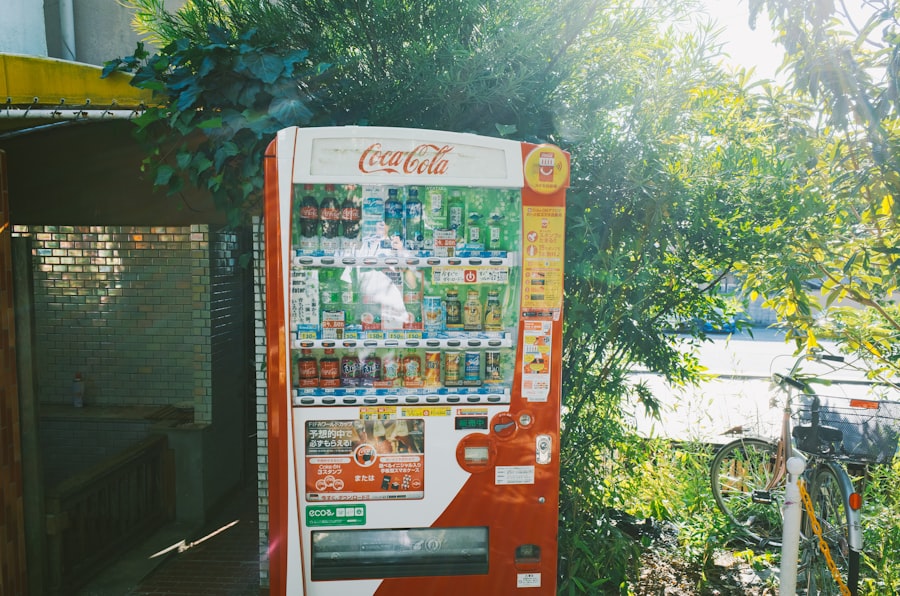
Effective marketing is crucial for attracting customers to your vending machines and ensuring consistent sales. While vending machines may seem like a passive business model, proactive marketing strategies can significantly enhance visibility and profitability. One approach is to leverage social media platforms to promote your vending machine locations and product offerings.
Engaging content that highlights unique products or special promotions can draw attention and encourage foot traffic. Additionally, collaborating with local businesses or organizations can create mutually beneficial partnerships. For example, placing your vending machines in gyms or community centers can provide exposure to health-conscious individuals while offering those venues an additional amenity for their patrons.
Flyers or posters near the machines can also inform potential customers about new products or promotions. By employing creative marketing strategies tailored to the target audience, operators can increase awareness and drive sales effectively.
Expanding Your Vending Machine Business for Increased Passive Income
Once an operator has established a successful vending machine business in one location, expansion becomes an enticing opportunity for increasing passive income. Scaling up involves identifying new locations that align with the business model and replicating successful strategies used in existing sites. This could mean diversifying into different types of vending machines—such as those offering fresh food or specialty items—or expanding into new geographic areas.
Franchising is another avenue for growth within the vending machine industry. By creating a franchise model, operators can allow others to invest in their brand while providing them with the necessary training and support to succeed. This not only generates additional revenue through franchise fees but also expands brand recognition and market presence.
As the business grows, maintaining quality control and ensuring consistent service across all locations becomes paramount for sustaining success.
Tips for Success and Pitfalls to Avoid in the Vending Machine Industry
Navigating the vending machine industry requires careful planning and strategic execution to achieve success while avoiding common pitfalls. One key tip is to conduct thorough market research before investing in specific locations or products. Understanding local consumer preferences and competition can provide valuable insights that inform decision-making processes.
Another important consideration is managing cash flow effectively. While vending machines can generate passive income, initial investments in equipment and inventory can be substantial. Operators should ensure they have adequate financial resources to cover these costs while also accounting for ongoing expenses such as maintenance and restocking.
Additionally, being adaptable and responsive to market changes is crucial; trends in consumer behavior can shift rapidly, necessitating adjustments in product offerings or marketing strategies. In conclusion, while the vending machine industry presents numerous opportunities for generating passive income, success hinges on informed decision-making and proactive management practices. By understanding the nuances of location selection, product offerings, maintenance requirements, technology integration, marketing strategies, expansion opportunities, and potential pitfalls, aspiring operators can position themselves for long-term profitability in this dynamic market.


