

The Amazon pallet returns process is a complex yet fascinating aspect of the e-commerce giant’s operations. When customers return items, Amazon must manage these returns efficiently to maintain customer satisfaction and minimize losses. The process begins when a customer initiates a return through their Amazon account, selecting the reason for the return and printing a shipping label.
Once the item is shipped back to Amazon, it enters a returns processing center where it is evaluated for its condition. Depending on the state of the returned product, it may be restocked, refurbished, or liquidated. For many entrepreneurs and small businesses, understanding this process is crucial for capitalizing on the opportunities presented by returned merchandise.

Amazon often sells these returned items in bulk, typically in pallets or truckloads, to third-party liquidators or resellers. These pallets can contain a mix of products, ranging from electronics to household goods, and can be purchased at a fraction of their retail value. By grasping the intricacies of how Amazon handles returns, resellers can better navigate the landscape of liquidation and find profitable opportunities within these returns.
Key Takeaways
- Amazon pallet returns require thorough understanding of the return and inspection process to identify valuable items.
- Efficient sorting and inspection techniques are crucial for maximizing profitability from returned products.
- Utilizing Amazon’s resale and liquidation channels can help effectively move inventory and recover costs.
- Building relationships with third-party liquidators and exploring wholesale opportunities can expand sales avenues.
- Incorporating sustainable practices in handling pallet returns supports eco-friendly business operations and reduces waste.
Identifying Profitable Products in Pallet Returns

Identifying profitable products within Amazon pallet returns requires a keen eye and a strategic approach. Resellers must first understand market demand and trends to make informed purchasing decisions. For instance, electronics tend to have a higher resale value compared to clothing or household items.
By researching popular brands and categories, resellers can pinpoint which products are likely to yield a higher return on investment. Tools such as Keepa or CamelCamelCamel can provide historical pricing data, helping resellers gauge the potential profitability of specific items. Moreover, it is essential to consider the condition of the products within the pallets.
Items that are new or like-new condition will generally sell faster and at a higher price than those that are damaged or used. Resellers should also be aware of seasonal trends; for example, outdoor equipment may see increased demand during the spring and summer months. By aligning their purchases with market trends and consumer behavior, resellers can maximize their chances of turning a profit from Amazon pallet returns.
Implementing Efficient Sorting and Inspection Techniques
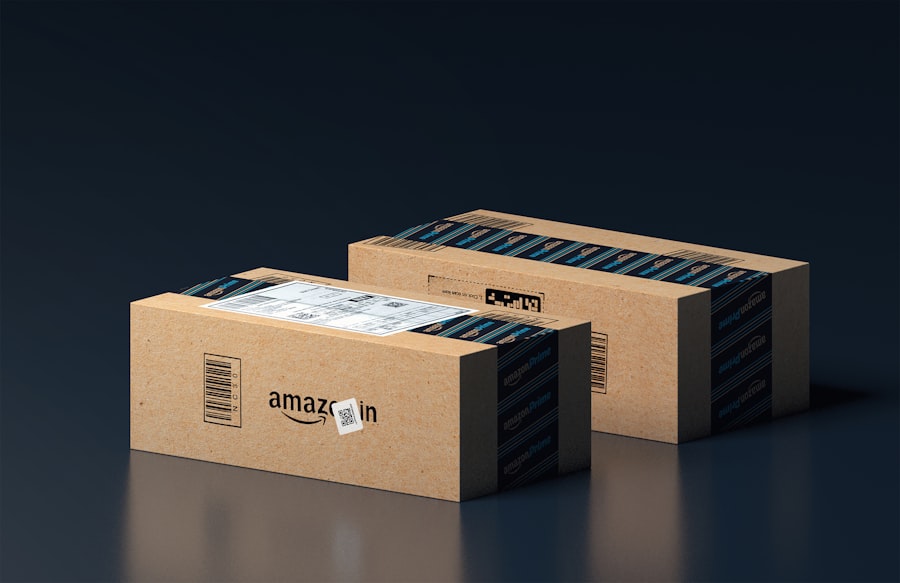
Once a reseller acquires a pallet of returned items, efficient sorting and inspection techniques become paramount. The first step in this process is to carefully unpack the pallet and categorize the items based on their type and condition. This initial sorting helps in organizing the inventory and streamlining the inspection process.
For instance, electronics should be separated from clothing or home goods to facilitate more focused evaluations. During the inspection phase, resellers should thoroughly assess each item for functionality and cosmetic condition. This may involve testing electronics to ensure they work properly or checking clothing for stains or damage.
Keeping detailed records of each item’s condition can aid in pricing decisions later on. Additionally, employing tools such as barcode scanners can expedite the sorting process by quickly identifying products and their market values. By implementing these efficient techniques, resellers can save time and resources while maximizing their potential profits.
Utilizing Amazon’s Resale and Liquidation Channels
| Metric | Description | Example Value | Notes |
|---|---|---|---|
| Resale Channel Volume | Number of units sold through Amazon’s resale platforms | 15,000 units/month | Includes Amazon Warehouse and Amazon Renewed |
| Liquidation Channel Volume | Number of units sold through Amazon’s liquidation channels | 5,000 units/month | Includes Amazon Liquidations and third-party liquidators |
| Average Recovery Rate | Percentage of original product value recovered through resale/liquidation | 65% | Varies by product category and condition |
| Return Rate on Resale Items | Percentage of resale items returned by customers | 8% | Lower than new product return rates |
| Time to Sell (Resale) | Average days to sell items via resale channels | 30 days | Depends on demand and product condition |
| Time to Sell (Liquidation) | Average days to sell items via liquidation channels | 15 days | Typically faster due to bulk sales |
| Cost Savings from Resale | Reduction in storage and disposal costs by utilizing resale | 20% | Compared to traditional disposal methods |
| Environmental Impact Reduction | Estimated reduction in waste by using resale/liquidation | 30% | Supports sustainability goals |
Amazon offers various resale and liquidation channels that can be advantageous for resellers looking to capitalize on returned merchandise. One of the most prominent channels is Amazon’s own Liquidation Auctions platform, where resellers can bid on pallets of returned items directly from Amazon. This platform provides access to a wide range of products, allowing resellers to select pallets that align with their business model and target market.
In addition to Amazon’s Liquidation Auctions, resellers can explore other online marketplaces such as eBay or Facebook Marketplace to sell their acquired products. These platforms provide an opportunity to reach a broader audience and potentially achieve higher prices for sought-after items. Furthermore, utilizing social media marketing strategies can enhance visibility and drive sales.
By leveraging these channels effectively, resellers can create multiple revenue streams from their pallet returns.
Leveraging Wholesale and Retail Opportunities
In addition to purchasing pallets of returned items, resellers can also explore wholesale opportunities as a means of diversifying their inventory sources. Establishing relationships with wholesalers who specialize in liquidation or overstock items can provide access to high-quality products at competitive prices. This approach allows resellers to maintain a steady flow of inventory while minimizing risks associated with purchasing unknown quantities from liquidation auctions.
Retail opportunities also abound for those willing to invest time in sourcing products directly from brick-and-mortar stores. Retail arbitrage involves purchasing discounted items from retail stores and reselling them online for a profit. This strategy can be particularly effective during clearance sales or holiday promotions when retailers are looking to offload excess inventory.
By combining wholesale sourcing with retail arbitrage, resellers can create a robust business model that maximizes profitability while minimizing reliance on any single source.
Minimizing Costs and Maximizing Margins

To thrive in the competitive landscape of reselling Amazon pallet returns, minimizing costs while maximizing margins is essential. One effective strategy is to streamline operational processes by automating tasks wherever possible. For instance, using inventory management software can help track stock levels, sales trends, and reorder points, reducing the time spent on manual tracking and allowing resellers to focus on growth strategies.
Additionally, negotiating favorable terms with suppliers can significantly impact profit margins. Resellers should not hesitate to discuss pricing or shipping costs with wholesalers or liquidators to secure better deals. Furthermore, understanding shipping logistics is crucial; choosing cost-effective shipping methods and consolidating shipments can lead to substantial savings over time.
By adopting these cost-saving measures, resellers can enhance their profitability while maintaining competitive pricing for their customers.
Developing Relationships with Third-Party Liquidators
Building strong relationships with third-party liquidators is another key component of success in the pallet returns business. These liquidators often have access to large volumes of returned merchandise and can provide valuable insights into market trends and product availability. By establishing rapport with liquidators, resellers may gain access to exclusive deals or early notifications about upcoming auctions.
Networking within industry circles can also yield fruitful partnerships. Attending trade shows or liquidation expos allows resellers to connect with other professionals in the field, share experiences, and learn about best practices. Additionally, joining online forums or social media groups dedicated to liquidation and reselling can provide ongoing support and resources for navigating challenges in the business.
By fostering these relationships, resellers can enhance their sourcing capabilities and stay ahead of market trends.
Incorporating Sustainable and Eco-Friendly Practices in Pallet Returns
As awareness of environmental issues continues to grow, incorporating sustainable practices into the pallet returns business has become increasingly important. Resellers can take proactive steps to minimize waste by repurposing or recycling items that cannot be sold in their current condition. For example, damaged electronics may be disassembled for parts that can be reused or sold separately.
Additionally, promoting eco-friendly products within their inventory can attract environmentally conscious consumers. Resellers should consider sourcing items made from sustainable materials or those that promote energy efficiency. By aligning their business practices with sustainability goals, resellers not only contribute positively to the environment but also appeal to a growing demographic of consumers who prioritize eco-friendly purchasing decisions.
In conclusion, navigating the world of Amazon pallet returns presents both challenges and opportunities for savvy entrepreneurs. By understanding the intricacies of the returns process, identifying profitable products, implementing efficient sorting techniques, utilizing various resale channels, leveraging wholesale opportunities, minimizing costs, developing relationships with liquidators, and incorporating sustainable practices, resellers can build successful businesses that thrive in this dynamic marketplace.


