
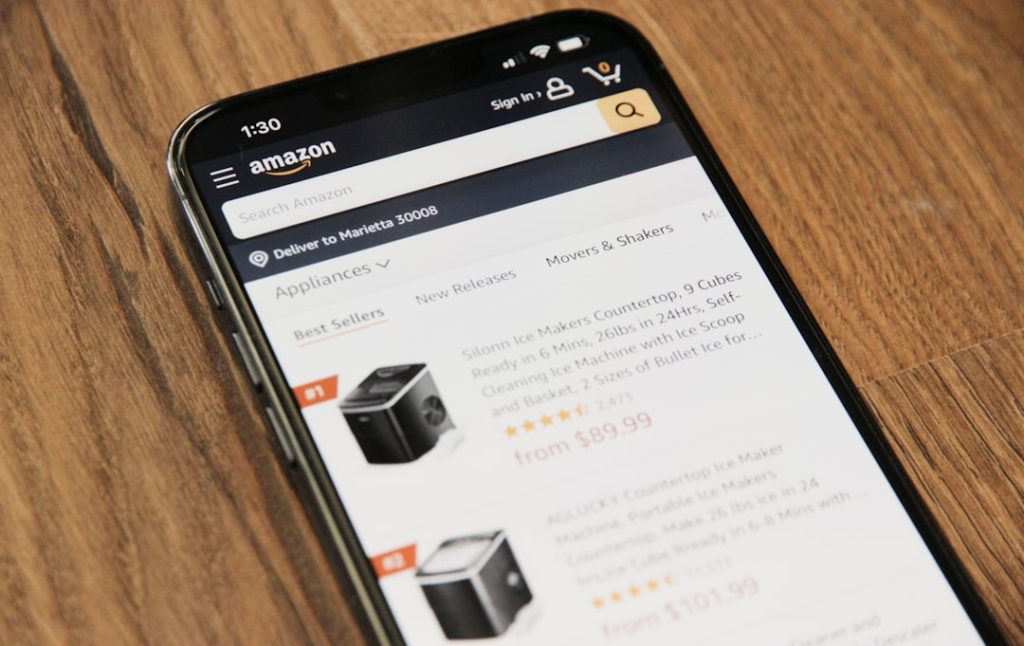
Amazon SellerCentral serves as the primary interface for sellers on the Amazon marketplace, providing a comprehensive suite of tools and features designed to facilitate the management of product listings, orders, and customer interactions. At its core, SellerCentral allows sellers to create and manage their product listings, track sales performance, and communicate with customers. The dashboard is user-friendly, offering a clear overview of key metrics such as sales volume, order status, and customer feedback.
This centralized platform is essential for sellers looking to optimize their operations and enhance their visibility on Amazon. One of the standout features of SellerCentral is its reporting capabilities. Sellers can access a variety of reports that provide insights into sales trends, inventory levels, and customer behavior.

For instance, the Business Reports section allows sellers to analyze their sales performance over specific periods, helping them identify peak sales times and adjust their strategies accordingly. Additionally, the Inventory Reports feature enables sellers to monitor stock levels and forecast demand, ensuring they can meet customer needs without overstocking or running out of popular items. By leveraging these features, sellers can make data-driven decisions that enhance their overall performance on the platform.
Key Takeaways
- Master Amazon SellerCentral’s tools to efficiently manage your online store.
- Optimize product listings with relevant keywords to improve search visibility.
- Use Amazon Sponsored Products and advertising tools to boost product exposure.
- Leverage Fulfillment by Amazon (FBA) for streamlined inventory and shipping management.
- Regularly analyze sales data and adjust pricing and inventory strategies accordingly.
Optimizing Product Listings for Search

Creating optimized product listings is crucial for improving visibility in Amazon’s search results. The first step in this process involves conducting thorough keyword research to identify the terms potential customers are using to search for products similar to yours. Tools like Amazon’s own search bar can provide insights into popular search queries, while third-party tools such as Helium 10 or Jungle Scout can offer more in-depth analysis.
Once you have identified relevant keywords, incorporating them strategically into your product title, bullet points, and description is essential. This not only helps improve your listing’s search ranking but also ensures that customers understand the value of your product at a glance. In addition to keyword optimization, high-quality images play a pivotal role in attracting customers.
Amazon allows sellers to upload multiple images, and it is advisable to utilize this feature fully. Images should showcase the product from various angles and highlight key features or benefits. Lifestyle images that depict the product in use can also enhance customer engagement.
Furthermore, including informative videos can significantly boost conversion rates by providing potential buyers with a clearer understanding of the product’s functionality. By combining effective keyword usage with compelling visuals, sellers can create listings that not only rank well in search results but also convert views into sales.
Utilizing Amazon Sponsored Products

Amazon Sponsored Products is an advertising solution that allows sellers to promote their products directly within search results and on product detail pages. This pay-per-click (PPC) advertising model enables sellers to gain visibility among potential buyers who are actively searching for related items. To effectively utilize Sponsored Products, sellers should start by selecting the right products to promote—typically those with high margins or those that are already performing well organically.
By focusing on these products, sellers can maximize their return on investment (ROI) from advertising spend. Setting up a Sponsored Products campaign involves choosing relevant keywords that align with the promoted products. Sellers can opt for automatic targeting, where Amazon selects keywords based on the product listing, or manual targeting, where sellers choose specific keywords themselves.
Monitoring the performance of these campaigns is crucial; sellers should regularly analyze metrics such as click-through rates (CTR), conversion rates, and advertising cost of sales (ACoS). Adjusting bids and refining keyword selections based on performance data can lead to improved visibility and increased sales over time. By strategically leveraging Sponsored Products, sellers can enhance their market presence and drive traffic to their listings.
Leveraging Amazon’s FBA Program
Fulfillment by Amazon (FBA) is a service that allows sellers to store their products in Amazon’s fulfillment centers, where Amazon takes care of storage, packaging, and shipping. This program not only simplifies logistics for sellers but also provides significant advantages in terms of customer trust and Prime eligibility. Products fulfilled through FBA are often given priority in search results and are eligible for Amazon Prime, which can lead to increased sales due to the appeal of fast shipping options for Prime members.
Moreover, FBA offers sellers access to Amazon’s customer service team, which handles inquiries and returns on behalf of the seller. This can be particularly beneficial for small businesses that may not have the resources to manage customer service effectively. However, it is essential for sellers to understand the associated fees with FBA, including storage fees and fulfillment fees, which can impact profit margins.
By carefully analyzing these costs against the benefits of increased visibility and sales potential, sellers can make informed decisions about whether FBA is the right choice for their business model.
Implementing Pricing Strategies
| Metric | Description | Typical Value / Range |
|---|---|---|
| Monthly Active Sellers | Number of sellers actively listing products on Amazon Seller Central | Over 2 million |
| Average Seller Rating | Average customer feedback rating for sellers | 4.5 to 4.8 stars |
| Fulfillment Methods | Types of fulfillment options available | Fulfillment by Amazon (FBA), Fulfillment by Merchant (FBM) |
| Seller Fees | Fees charged by Amazon for selling on the platform | Referral fees: 6% to 45% depending on category; Monthly subscription fee: 39.99 (Professional plan) |
| Product Categories | Number of product categories available for selling | Over 20 major categories |
| Order Defect Rate (ODR) | Percentage of orders with defects such as negative feedback, A-to-z claims, or chargebacks | Less than 1% |
| Buy Box Percentage | Percentage of time a seller wins the Buy Box on their listings | Varies widely; top sellers often >70% |
| Account Suspension Rate | Percentage of seller accounts suspended due to policy violations | Less than 5% |
Pricing strategies play a critical role in a seller’s success on Amazon. Given the competitive nature of the marketplace, it is essential for sellers to adopt dynamic pricing strategies that respond to market conditions and competitor pricing. One effective approach is to utilize automated repricing tools that adjust prices in real-time based on competitor activity.
These tools can help ensure that your products remain competitively priced without requiring constant manual adjustments. Additionally, psychological pricing techniques can be employed to enhance perceived value. For instance, pricing a product at $19.99 instead of $20 can create a perception of a better deal in the minds of consumers.
Offering limited-time discounts or promotions can also create urgency and encourage customers to make a purchase decision quickly. Sellers should regularly analyze their pricing strategies against sales data to determine what works best for their target audience while maintaining healthy profit margins.
Managing Inventory and Fulfillment

Effective inventory management is crucial for maintaining a successful Amazon business. Sellers must strike a balance between having enough stock to meet demand while avoiding excess inventory that ties up capital and incurs storage fees. Utilizing inventory management software can streamline this process by providing real-time data on stock levels, sales velocity, and reorder points.
This allows sellers to make informed decisions about when to restock products and how much inventory to order. In addition to managing stock levels, fulfillment strategies must be carefully considered. Sellers using FBA benefit from Amazon’s logistics network but must also monitor inventory levels at fulfillment centers to avoid stockouts or excess storage fees.
For those who choose to fulfill orders themselves (FBM), it is essential to have a reliable shipping process in place that ensures timely delivery while keeping shipping costs manageable. By implementing robust inventory management practices alongside efficient fulfillment strategies, sellers can enhance customer satisfaction and drive repeat business.
Utilizing Amazon’s Advertising Tools
Beyond Sponsored Products, Amazon offers a range of advertising tools designed to help sellers increase visibility and drive sales. Amazon DSP (Demand-Side Platform) allows sellers to programmatically buy display ads both on and off Amazon, targeting specific audiences based on shopping behavior and interests. This tool is particularly useful for brands looking to build awareness beyond their existing customer base.
Another valuable advertising option is Amazon Stores, which enables sellers to create a customized storefront showcasing their brand and product offerings. This feature allows for greater creative control over how products are presented and can enhance brand identity within the marketplace. Sellers can use Stores in conjunction with advertising campaigns to drive traffic directly to their branded content.
By leveraging these diverse advertising tools effectively, sellers can create comprehensive marketing strategies that reach potential customers at various touchpoints throughout their shopping journey.
Analyzing Sales Data and Metrics
Data analysis is an integral part of any successful selling strategy on Amazon. Sellers have access to a wealth of data through SellerCentral that can provide insights into sales performance, customer behavior, and market trends. Regularly reviewing key performance indicators (KPIs) such as sales volume, conversion rates, and return rates allows sellers to identify areas for improvement and adjust their strategies accordingly.
For instance, if a seller notices a decline in conversion rates despite steady traffic to their listings, it may indicate issues with product images or descriptions that need addressing. Similarly, analyzing customer feedback can provide valuable insights into product quality or service issues that may be affecting sales. By utilizing tools like A/B testing for different listing elements or promotional strategies, sellers can refine their approach based on empirical evidence rather than assumptions.
This data-driven mindset fosters continuous improvement and helps sellers stay competitive in an ever-evolving marketplace. In summary, mastering the features of Amazon SellerCentral while optimizing product listings, utilizing advertising tools effectively, managing inventory efficiently, implementing strategic pricing models, and analyzing sales data are all critical components of achieving success as an Amazon seller. Each element plays a vital role in enhancing visibility, driving sales growth, and ultimately building a sustainable business within one of the world’s largest online marketplaces.


