
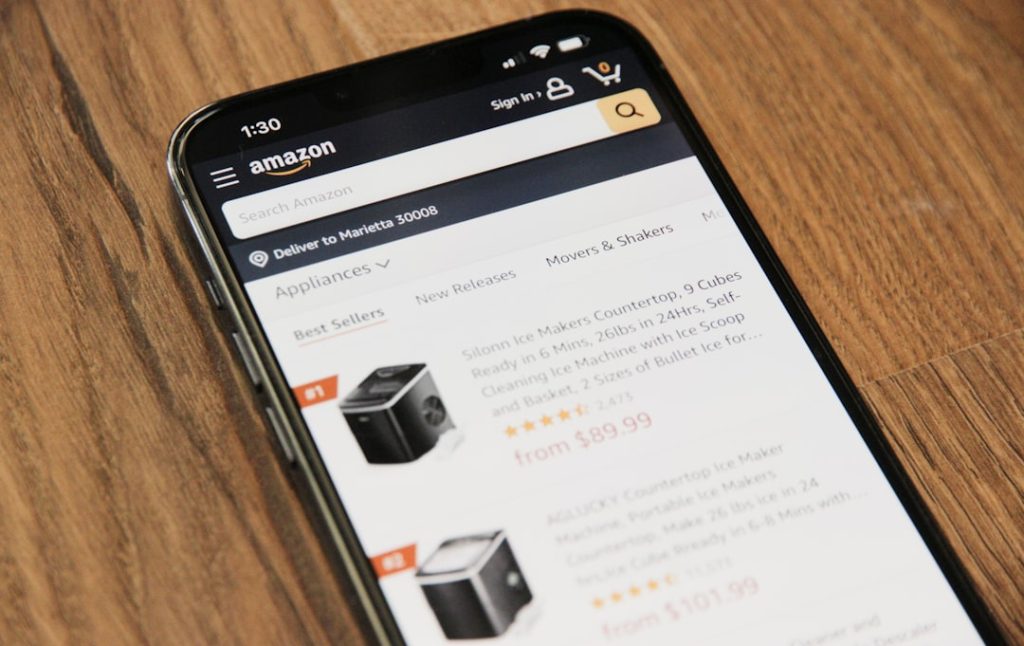
Amazon Seller Central serves as the primary platform for third-party sellers to manage their businesses on Amazon. This web-based interface provides sellers with the tools necessary to list products, manage orders, and track performance metrics. By utilizing Seller Central, sellers can gain access to a vast marketplace that reaches millions of customers worldwide.
The platform is designed to be user-friendly, allowing sellers to navigate through various features such as inventory management, order fulfillment, and customer communication with relative ease. One of the key components of Seller Central is its comprehensive dashboard, which offers insights into sales performance, customer feedback, and inventory levels. Sellers can monitor their account health, ensuring they meet Amazon’s performance standards.

This includes metrics such as order defect rate, cancellation rate, and late shipment rate. Understanding these metrics is crucial for maintaining a good standing on the platform, as poor performance can lead to account suspension or other penalties. Additionally, Seller Central provides resources and support through its help center, enabling sellers to troubleshoot issues and optimize their selling strategies effectively.
Key Takeaways
- Amazon Seller Central is the platform for managing your seller account and product listings.
- Optimizing product listings with keywords and quality images boosts visibility and sales.
- Amazon Advertising helps increase product reach through targeted ads.
- Fulfillment by Amazon (FBA) streamlines shipping and customer service.
- Analyzing sales data and expanding internationally can drive growth and new opportunities.
Optimizing Product Listings

Creating optimized product listings is essential for standing out in the competitive Amazon marketplace. A well-crafted listing not only attracts potential buyers but also improves search visibility within Amazon’s algorithm. Key elements of an optimized listing include a compelling title, high-quality images, detailed bullet points, and a thorough product description.
The title should incorporate relevant keywords that potential customers are likely to search for while remaining clear and concise. For instance, instead of simply stating “Bluetooth Headphones,” a more effective title might be “Noise-Cancelling Bluetooth Headphones with 30-Hour Battery Life – Ideal for Travel and Work.” Images play a pivotal role in influencing purchasing decisions. High-resolution images that showcase the product from multiple angles can significantly enhance the customer experience.
Including lifestyle images that demonstrate the product in use can also help customers visualize how it fits into their lives. Furthermore, bullet points should highlight key features and benefits succinctly, allowing customers to quickly grasp what makes the product unique. A well-written product description should provide additional context and detail, addressing potential questions or concerns that customers may have.
Leveraging Amazon Advertising

Amazon Advertising offers sellers a powerful way to increase visibility and drive sales through targeted ad campaigns. By utilizing various ad formats such as Sponsored Products, Sponsored Brands, and Sponsored Display ads, sellers can reach potential customers at different stages of their buying journey. Sponsored Products are particularly effective for promoting individual listings, as they appear in search results and on product detail pages, making them highly visible to shoppers actively looking for similar items.
To maximize the effectiveness of advertising campaigns, sellers should conduct thorough keyword research to identify terms that resonate with their target audience. Tools like Amazon’s Keyword Tool or third-party software can assist in discovering high-traffic keywords that align with the product offerings. Additionally, monitoring ad performance metrics such as click-through rates (CTR) and conversion rates is crucial for optimizing campaigns over time.
Adjusting bids based on performance data allows sellers to allocate their advertising budget more effectively, ensuring they achieve a favorable return on investment.
Utilizing Fulfillment by Amazon (FBA)
| Metric | Description | Typical Value / Range | Impact on Seller |
|---|---|---|---|
| Fulfillment Fees | Cost per unit for picking, packing, and shipping | 2.50 – 5.00 per unit (varies by size/weight) | Directly affects profit margins |
| Storage Fees | Monthly fees based on volume (cubic feet) stored in Amazon warehouses | 0.75 – 2.40 per cubic foot (standard size) | Increases with inventory volume and duration |
| Inventory Turnover Rate | Number of times inventory is sold and replaced in a period | 4 – 12 times per year | Higher turnover reduces storage fees and risk of obsolescence |
| Order Processing Time | Time from order placement to shipment | Typically under 24 hours | Improves customer satisfaction and seller rating |
| Return Rate | Percentage of orders returned by customers | 5% – 15% | Impacts costs and inventory management |
| Customer Reach | Access to Amazon Prime customers and global marketplaces | Millions of active users worldwide | Increases sales potential and brand exposure |
| Seller Feedback Rating | Average rating based on customer reviews | 4.0 – 5.0 stars | Higher ratings improve buy box eligibility and sales |
Fulfillment by Amazon (FBA) is a service that allows sellers to store their products in Amazon’s fulfillment centers, where Amazon takes care of storage, packaging, and shipping. This service not only streamlines logistics but also enhances the customer experience by providing fast and reliable shipping options such as Prime delivery. By enrolling in FBA, sellers can leverage Amazon’s extensive distribution network, which can significantly increase their sales potential.
One of the major advantages of using FBA is the ability to offer Prime eligibility on products. Prime members are known for their loyalty and propensity to purchase items with fast shipping options. Additionally, FBA products often receive higher visibility in search results due to their Prime status.
Sellers can also benefit from Amazon’s customer service support for FBA orders, which alleviates the burden of handling returns and inquiries directly. However, it is essential for sellers to consider FBA fees when calculating profit margins, as these costs can impact overall profitability.
Managing Inventory and Pricing
Effective inventory management is critical for maintaining a successful Amazon business. Sellers must ensure they have adequate stock levels to meet demand while avoiding overstock situations that can lead to increased storage fees or unsold inventory. Utilizing tools within Seller Central can help track inventory levels in real-time, allowing sellers to make informed decisions about restocking and managing supply chains.
Pricing strategies also play a significant role in attracting customers and driving sales. Sellers should regularly analyze competitor pricing to ensure their products remain competitive while still achieving desired profit margins. Dynamic pricing tools can assist in adjusting prices based on market trends and competitor activity.
Additionally, implementing promotional strategies such as discounts or limited-time offers can create urgency among buyers and encourage them to make a purchase.
Providing Exceptional Customer Service

Customer service is a cornerstone of success on Amazon. Providing exceptional service not only fosters customer loyalty but also contributes to positive seller ratings and reviews, which are crucial for building trust with potential buyers. Sellers should prioritize prompt communication with customers regarding inquiries or issues related to their orders.
Timely responses can significantly enhance the customer experience and mitigate negative feedback. Moreover, addressing customer concerns proactively can prevent disputes and returns. For instance, if a seller notices a pattern of complaints regarding a specific product feature, they should consider updating the product description or improving the item itself based on customer feedback.
Encouraging satisfied customers to leave positive reviews can also bolster a seller’s reputation on the platform. Engaging with customers through follow-up emails after purchase can create opportunities for feedback and foster a sense of community around the brand.
Analyzing Sales Data and Metrics
Data analysis is an integral part of running a successful Amazon business. Sellers have access to a wealth of data through Seller Central that can provide insights into sales performance, customer behavior, and market trends. By regularly reviewing key metrics such as sales volume, conversion rates, and traffic sources, sellers can identify areas for improvement and adjust their strategies accordingly.
For example, if a seller notices a decline in conversion rates despite steady traffic to their listings, it may indicate that product images or descriptions need enhancement. Conversely, if certain products consistently outperform others, it may be worth exploring similar items or expanding the product line in that category. Utilizing tools like Amazon’s Business Reports can help sellers visualize data trends over time, enabling them to make informed decisions that drive growth.
Expanding to International Markets
Expanding into international markets presents an exciting opportunity for Amazon sellers looking to grow their businesses beyond domestic borders. Amazon offers various programs designed to facilitate this expansion, such as the Global Selling program, which allows sellers to list products in multiple countries through a single Seller Central account. This program simplifies logistics by providing localized fulfillment options and currency conversion tools.
When entering international markets, it is essential for sellers to conduct thorough market research to understand local consumer preferences and regulations. Adapting product listings to cater to different languages and cultural nuances can significantly enhance appeal in foreign markets. Additionally, understanding import duties and taxes is crucial for pricing strategies and ensuring compliance with local laws.
By leveraging Amazon’s global reach while tailoring approaches to specific markets, sellers can tap into new revenue streams and broaden their customer base effectively.


