

Amazon Vendor Central is a platform that allows manufacturers and distributors to sell their products directly to Amazon, which then takes on the responsibility of selling those products to consumers. This model is often referred to as a wholesale model, where vendors act as suppliers to Amazon. Unlike Amazon Seller Central, where sellers maintain control over their listings and pricing, Vendor Central provides a more hands-off approach for brands, as Amazon handles the logistics, customer service, and fulfillment.
This can be particularly advantageous for larger brands that prefer to focus on production and marketing rather than day-to-day sales operations. To become a vendor on Amazon Vendor Central, companies typically need to be invited by Amazon. This invitation is often extended to brands that have established a strong market presence or have products that align with Amazon’s strategic goals.

Once onboarded, vendors can access various tools and resources designed to help them manage their product offerings effectively. This includes insights into sales performance, inventory management, and promotional opportunities. Understanding the nuances of Vendor Central is crucial for brands looking to maximize their presence on Amazon and leverage the platform’s vast customer base.
Key Takeaways
- Amazon Vendor Central offers direct wholesale selling opportunities to Amazon, streamlining supply chain management.
- Utilizing Amazon’s marketing tools can boost product visibility and drive higher sales.
- Optimizing product listings with clear descriptions and keywords improves search rankings and conversion rates.
- Leveraging Amazon’s fulfillment services ensures efficient delivery and enhances customer satisfaction.
- Regularly analyzing sales data and managing inventory helps forecast demand and maintain optimal stock levels.
Leveraging Amazon’s Marketing Tools

Amazon offers a suite of marketing tools that can significantly enhance a vendor’s visibility and sales potential. One of the most powerful tools available is Amazon Advertising, which includes options such as Sponsored Products, Sponsored Brands, and Display Ads. Sponsored Products allow vendors to promote individual listings within search results and product detail pages, increasing the likelihood of visibility among potential buyers.
By utilizing keyword targeting and bid strategies, vendors can effectively reach their target audience and drive traffic to their products. In addition to paid advertising, vendors can also take advantage of promotional tools like Lightning Deals and Coupons. Lightning Deals create a sense of urgency by offering limited-time discounts on products, which can lead to increased sales volume and improved product rankings.
Coupons, on the other hand, provide customers with instant savings at checkout, making products more appealing. By strategically using these marketing tools, vendors can not only boost their sales but also enhance brand awareness and customer loyalty.
Optimizing Product Listings and Descriptions

Creating compelling product listings is essential for success on Amazon Vendor Central. A well-optimized listing includes high-quality images, informative bullet points, and detailed descriptions that highlight the product’s features and benefits. High-resolution images are particularly important, as they allow customers to see the product clearly and can significantly influence purchasing decisions.
Vendors should consider using lifestyle images that showcase the product in use, as this can help potential buyers envision how the product fits into their lives. In addition to visuals, the written content of a product listing plays a critical role in conversion rates. Bullet points should succinctly outline key features while addressing potential customer pain points.
The product description should provide a more in-depth look at the product, including its unique selling propositions and any relevant specifications. Incorporating relevant keywords throughout the listing can also improve search visibility, making it easier for customers to find the product when searching on Amazon. By focusing on both visual and textual elements, vendors can create listings that not only attract attention but also convert views into sales.
Utilizing Amazon’s Fulfillment Services
| Metric | Description | Typical Value / Range | Notes |
|---|---|---|---|
| Fulfillment Fee | Cost per unit for picking, packing, and shipping | 2.50 – 5.00 per unit | Varies by size and weight of the product |
| Storage Fee | Monthly fee for storing inventory in Amazon warehouses | 0.75 – 2.40 per cubic foot | Higher fees during October to December holiday season |
| Order Processing Time | Average time to process and ship an order | 1 – 2 days | Depends on inventory availability and location |
| Inventory Turnover Rate | Frequency of inventory sold and replaced | 4 – 8 times per year | Higher turnover reduces storage fees |
| Return Rate | Percentage of orders returned by customers | 5% – 15% | Varies by product category |
| Customer Reach | Number of countries Amazon ships to using fulfillment services | 20+ | Includes North America, Europe, and Asia |
| Prime Eligibility | Percentage of products eligible for Amazon Prime shipping | Up to 100% | Increases sales potential and customer trust |
One of the significant advantages of using Amazon Vendor Central is access to Amazon’s Fulfillment by Amazon (FBA) services. FBA allows vendors to store their products in Amazon’s fulfillment centers, where Amazon takes care of storage, packaging, and shipping directly to customers. This service not only streamlines logistics but also enhances the customer experience by providing fast and reliable shipping options, including Prime eligibility.
Products fulfilled by Amazon are often favored by customers due to the convenience and trust associated with Amazon’s delivery services. Moreover, utilizing FBA can lead to improved sales performance. Products that are eligible for Prime shipping tend to have higher conversion rates because customers are more likely to purchase items that offer quick delivery options.
Additionally, FBA provides vendors with access to Amazon’s customer service team, which handles inquiries and returns on behalf of the vendor. This allows brands to focus on other aspects of their business while ensuring that customer satisfaction remains high.
Managing Inventory and Forecasting
Effective inventory management is crucial for vendors operating on Amazon Vendor Central. Maintaining optimal stock levels ensures that products are available for purchase without overstocking, which can lead to increased storage fees or markdowns due to excess inventory. Vendors must regularly analyze sales trends and seasonality to forecast demand accurately.
This involves examining historical sales data, understanding market trends, and considering external factors such as holidays or promotional events that may impact purchasing behavior. Amazon provides tools within Vendor Central that assist with inventory management, including reports on inventory levels and sales velocity. Vendors should leverage these insights to make informed decisions about restocking and production schedules.
Additionally, implementing an inventory management system can help streamline operations by automating reorder processes and providing real-time visibility into stock levels across different channels. By proactively managing inventory and forecasting demand accurately, vendors can minimize stockouts and maximize sales opportunities.
Analyzing Sales Data and Performance Metrics
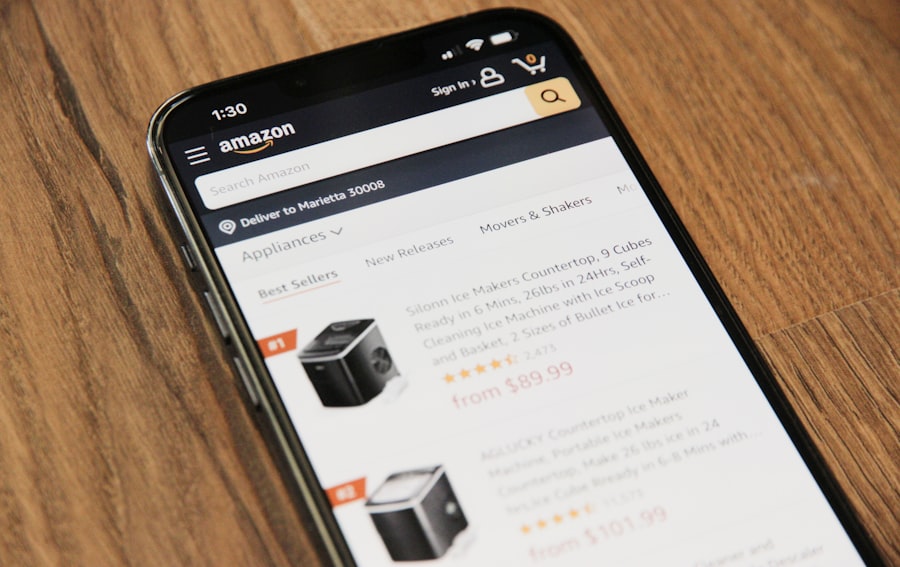
Data analysis is a cornerstone of successful operations on Amazon Vendor Central. Vendors have access to a wealth of performance metrics that provide insights into sales trends, customer behavior, and overall business health. Key performance indicators (KPIs) such as sales volume, conversion rates, return rates, and advertising performance should be regularly monitored to assess the effectiveness of marketing strategies and operational efficiency.
For instance, analyzing sales data can reveal which products are performing well and which may need additional marketing support or adjustments in pricing strategy. Understanding customer reviews and feedback can also provide valuable insights into product quality and areas for improvement. By leveraging data analytics tools available within Vendor Central, vendors can make data-driven decisions that enhance their overall performance on the platform.
Enhancing Customer Experience and Reviews
Customer experience plays a pivotal role in driving sales on Amazon Vendor Central. Positive reviews not only enhance a product’s credibility but also influence potential buyers’ purchasing decisions. Vendors should actively encourage satisfied customers to leave reviews by following up post-purchase with personalized messages or incentives such as discounts on future purchases.
Engaging with customers through Q&A sections on product pages can also foster a sense of community and trust. In addition to soliciting reviews, addressing negative feedback promptly is essential for maintaining a positive brand image. Vendors should monitor their product listings for reviews regularly and respond professionally to any concerns raised by customers.
This proactive approach demonstrates a commitment to customer satisfaction and can mitigate potential damage from negative reviews. By prioritizing customer experience and actively managing feedback, vendors can cultivate a loyal customer base that contributes to long-term success on the platform.
Developing a Strategic Pricing and Promotions Plan
Pricing strategy is a critical component of success on Amazon Vendor Central. Vendors must strike a balance between competitive pricing and profitability while considering factors such as production costs, market demand, and competitor pricing. Regularly analyzing competitor prices can provide valuable insights into market positioning and help vendors adjust their pricing strategies accordingly.
Promotions also play a significant role in driving sales volume on Amazon. Developing a strategic promotions plan that includes seasonal discounts, bundle offers, or limited-time deals can create urgency among consumers and encourage purchases. Utilizing tools like A/B testing for different pricing strategies or promotional offers can help vendors identify what resonates best with their target audience.
By continuously refining their pricing and promotions strategy based on market dynamics and consumer behavior, vendors can enhance their competitive edge on Amazon Vendor Central. In conclusion, navigating the complexities of Amazon Vendor Central requires a multifaceted approach that encompasses understanding the platform’s structure, leveraging marketing tools effectively, optimizing product listings, utilizing fulfillment services efficiently, managing inventory wisely, analyzing data rigorously, enhancing customer experience diligently, and developing strategic pricing plans thoughtfully. Each of these elements plays a vital role in ensuring that vendors not only establish a strong presence on Amazon but also drive sustainable growth in an increasingly competitive marketplace.


