

Amazon Vendor Central is a platform that allows manufacturers and distributors to sell their products directly to Amazon, which then sells those products to consumers. This model is often referred to as a wholesale model, where vendors act as suppliers to Amazon. Unlike Amazon Seller Central, where sellers maintain control over their pricing and inventory, Vendor Central requires vendors to sell their products at wholesale prices, relinquishing some control over the retail pricing and inventory management.
This can be advantageous for brands looking to increase their visibility and reach on the platform, as Amazon takes on the responsibility of marketing and selling the products. The onboarding process for Vendor Central can be rigorous, requiring vendors to meet specific criteria set by Amazon. This includes having a certain level of sales volume, product quality, and brand recognition.

Once accepted, vendors gain access to a suite of tools designed to help them manage their product listings, track performance metrics, and optimize their presence on the platform. Understanding the nuances of Vendor Central is crucial for brands aiming to leverage Amazon’s vast customer base effectively. The platform offers unique opportunities for brands to enhance their visibility through Amazon’s marketing programs and promotional tools, making it essential for vendors to familiarize themselves with these features.
Key Takeaways
- Amazon Vendor Central is a platform for manufacturers and distributors to sell directly to Amazon.
- Optimizing product listings with keywords and high-quality images boosts visibility and sales.
- Utilizing Amazon’s marketing tools like Sponsored Products enhances product promotion.
- Efficient inventory management and fulfillment through Amazon FBA improve customer satisfaction.
- Regularly analyzing sales data and staying updated on policies ensures ongoing success on Amazon.
Optimizing Product Listings for Maximum Visibility

Creating compelling product listings is fundamental to achieving success on Amazon Vendor Central. A well-optimized listing not only attracts potential buyers but also improves search rankings within Amazon’s algorithm. Key elements of a product listing include the title, bullet points, product description, and images.
The title should be clear and descriptive, incorporating relevant keywords that potential customers might use when searching for similar products. For instance, instead of simply naming a product “Bluetooth Speaker,” a more effective title might be “Portable Bluetooth Speaker with 20-Hour Battery Life – Waterproof and Wireless Sound System.” In addition to the title, bullet points should highlight the product’s key features and benefits succinctly. This section is critical as it allows customers to quickly grasp what makes the product unique.
For example, if a vendor sells a kitchen appliance, bullet points could emphasize its energy efficiency, ease of use, and safety features. The product description should provide a more detailed overview, including specifications and potential use cases. High-quality images are equally important; they should showcase the product from multiple angles and in various settings to give customers a comprehensive view.
Utilizing lifestyle images can also help customers envision how the product fits into their lives.
Leveraging Amazon’s Marketing Tools and Programs
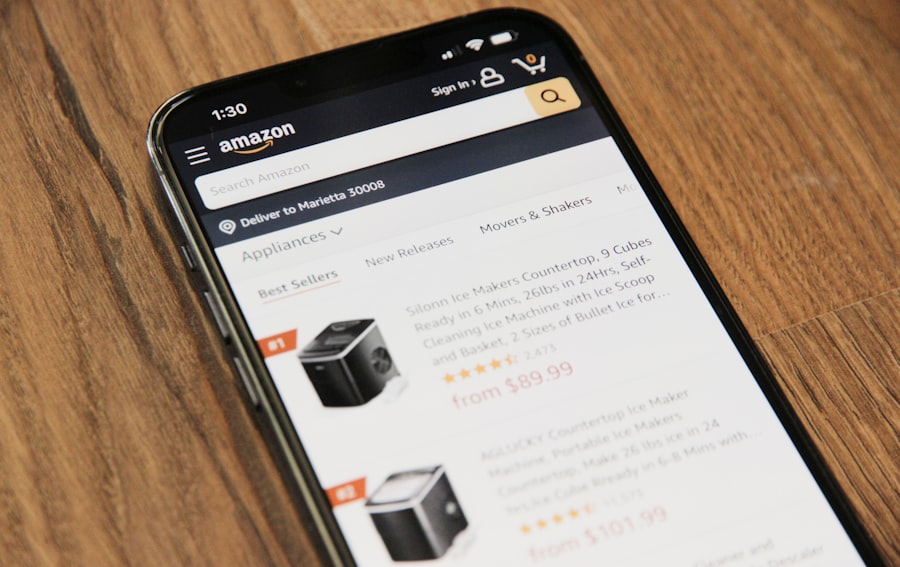
Amazon offers a variety of marketing tools and programs that vendors can utilize to enhance their visibility and drive sales. One of the most effective tools is Amazon Advertising, which includes options such as Sponsored Products, Sponsored Brands, and Sponsored Display ads. Sponsored Products allow vendors to promote individual listings within search results and product detail pages, increasing their chances of being seen by potential buyers.
By targeting specific keywords relevant to their products, vendors can ensure that their ads reach the right audience. Another valuable program is Amazon Vine, which invites trusted reviewers to provide feedback on new or pre-release products. This can be particularly beneficial for vendors looking to build credibility and generate initial reviews for their products.
Positive reviews not only enhance a product’s reputation but also improve its ranking in search results. Additionally, participating in promotions such as Lightning Deals or Coupons can create urgency among consumers, encouraging them to make a purchase. These promotional strategies can significantly boost visibility and sales when executed effectively.
Utilizing Amazon’s Fulfillment Services
| Metric | Description | Typical Value / Range | Notes |
|---|---|---|---|
| Fulfillment Fee | Cost per unit for picking, packing, and shipping | 2.50 – 5.00 per unit | Varies by size and weight of the product |
| Storage Fee | Monthly fee per cubic foot for inventory storage | 0.75 – 2.40 per cubic foot | Higher fees during holiday season (Oct-Dec) |
| Order Processing Time | Average time to process and ship an order | 1 – 2 days | Depends on inventory location and demand |
| Inventory Turnover Rate | Number of times inventory is sold and replaced | 4 – 8 times per year | Higher turnover indicates efficient sales |
| Return Rate | Percentage of orders returned by customers | 5% – 15% | Varies by product category |
| Customer Reach | Number of countries Amazon ships to via FBA | 20+ | Enables global selling opportunities |
| Prime Eligibility | Percentage of products eligible for Amazon Prime shipping | 100% (for FBA products) | Boosts sales due to faster shipping |
| Inventory Storage Limit | Maximum units allowed in fulfillment centers | Varies by seller tier and product type | Limits can be increased upon request |
Amazon’s Fulfillment by Amazon (FBA) service is a game-changer for many vendors on Vendor Central. By utilizing FBA, vendors can store their products in Amazon’s fulfillment centers, allowing Amazon to handle storage, packaging, shipping, and customer service on their behalf. This not only streamlines logistics but also enhances the customer experience by providing fast shipping options like Prime delivery.
For many consumers, the assurance of quick delivery can be a deciding factor in making a purchase. Moreover, using FBA can improve a product’s visibility on Amazon. Products fulfilled by Amazon are often given preference in search results and are eligible for Prime membership benefits, which can significantly increase sales potential.
Vendors should also consider the cost implications of FBA; while it may involve additional fees for storage and fulfillment, the increased sales volume often justifies these costs. Understanding how to effectively integrate FBA into their operations can provide vendors with a competitive edge in the marketplace.
Managing Inventory and Order Fulfillment Efficiently
Effective inventory management is crucial for maintaining a successful presence on Amazon Vendor Central. Vendors must strike a balance between having enough stock to meet demand while avoiding excess inventory that can lead to increased storage fees or stockouts that result in lost sales opportunities. Utilizing inventory management software can help vendors track stock levels in real-time, forecast demand based on historical sales data, and automate reordering processes.
Additionally, understanding Amazon’s order fulfillment processes is essential for ensuring timely delivery of products. Vendors should familiarize themselves with Amazon’s lead times and shipping requirements to avoid delays that could negatively impact customer satisfaction. Regularly reviewing inventory performance metrics can provide insights into which products are selling well and which may need promotional support or adjustments in pricing strategy.
By proactively managing inventory and fulfillment processes, vendors can enhance operational efficiency and improve overall sales performance.
Analyzing Sales Data and Performance Metrics

Data analysis is an integral part of optimizing performance on Amazon Vendor Central. Vendors have access to various reports that provide insights into sales trends, customer behavior, and inventory performance. By regularly reviewing these metrics, vendors can identify patterns that inform their business strategies.
For instance, analyzing sales data may reveal peak purchasing times or seasonal trends that can guide marketing efforts or inventory planning. Key performance indicators (KPIs) such as conversion rates, return rates, and customer feedback scores are essential for assessing overall performance. Vendors should focus on improving conversion rates by optimizing product listings based on data-driven insights.
For example, if a particular product has high traffic but low conversion rates, it may indicate that the listing needs improvement in terms of images or descriptions. By leveraging data analytics effectively, vendors can make informed decisions that drive growth and enhance their competitive position within the marketplace.
Building Strong Relationships with Amazon
Establishing a strong relationship with Amazon is vital for long-term success on Vendor Central. Communication is key; vendors should maintain open lines of dialogue with their Amazon account managers to address any concerns or seek guidance on best practices. Regular check-ins can help vendors stay informed about changes in policies or new opportunities available through the platform.
Additionally, participating in Amazon’s programs and initiatives can strengthen this relationship. For example, engaging in promotional events or collaborating on marketing campaigns demonstrates a commitment to mutual success. Vendors should also be proactive in seeking feedback from Amazon regarding their performance metrics and areas for improvement.
By fostering a collaborative partnership with Amazon, vendors can position themselves favorably within the ecosystem and benefit from additional support and resources.
Staying Updated with Amazon’s Policies and Best Practices
The landscape of e-commerce is constantly evolving, and staying updated with Amazon’s policies and best practices is essential for vendors operating on Vendor Central. Amazon frequently updates its guidelines regarding product listings, advertising policies, and fulfillment requirements. Vendors must regularly review these updates to ensure compliance and avoid potential penalties or account suspensions.
Moreover, engaging with community forums or attending webinars hosted by Amazon can provide valuable insights into industry trends and best practices from experienced sellers. Networking with other vendors can also facilitate knowledge sharing about effective strategies for navigating challenges within the platform. By remaining informed about changes in policies and continuously adapting their strategies accordingly, vendors can maintain a competitive edge in the dynamic e-commerce environment that Amazon fosters.
In conclusion, navigating Amazon Vendor Central requires a multifaceted approach that encompasses understanding the platform’s intricacies, optimizing product listings for visibility, leveraging marketing tools effectively, utilizing fulfillment services efficiently, managing inventory wisely, analyzing performance metrics diligently, building strong relationships with Amazon, and staying updated with policies and best practices. Each of these elements plays a critical role in ensuring that vendors maximize their potential on one of the world’s largest e-commerce platforms.


