
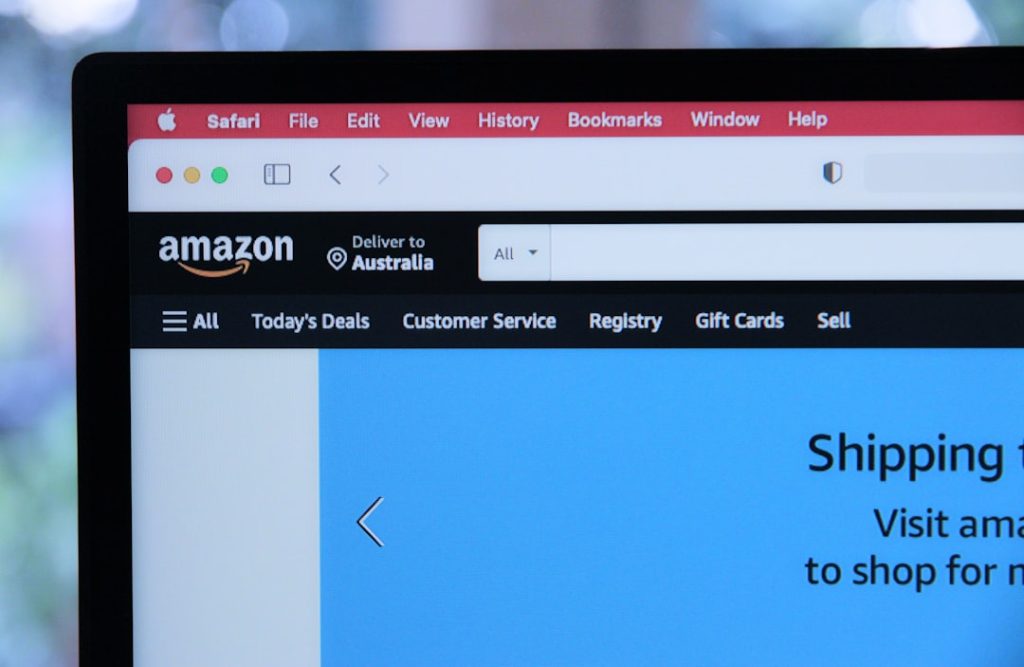
Amazon Central Selling, often referred to as Seller Central, is the platform that allows individuals and businesses to sell products directly to consumers on Amazon. This platform is a vital component of Amazon’s marketplace, which has grown exponentially over the years, becoming one of the largest e-commerce platforms globally. Sellers can list their products, manage orders, and track performance metrics all from a single dashboard.
The appeal of Amazon Central Selling lies in its vast reach; sellers gain access to millions of potential customers who visit the site daily, making it an attractive option for those looking to expand their business. To get started with Amazon Central Selling, sellers must create an account and choose between two primary selling plans: the Individual plan and the Professional plan. The Individual plan is suitable for those who anticipate selling fewer than 40 items per month, while the Professional plan is designed for higher-volume sellers and offers additional features such as bulk listing tools and advanced reporting capabilities.

Understanding these options is crucial for sellers to align their business goals with the right plan. Furthermore, sellers must familiarize themselves with Amazon’s policies, including product restrictions and guidelines for listing items, to ensure compliance and avoid potential pitfalls.
Key Takeaways
- Mastering Amazon Central Selling involves understanding its platform and tools for effective product management.
- Optimizing product listings with clear descriptions and keywords boosts visibility and sales.
- Leveraging Amazon Advertising helps increase product reach and drives targeted traffic.
- Utilizing Fulfillment by Amazon (FBA) streamlines shipping and enhances customer trust.
- Regularly analyzing sales data and staying compliant with policies ensures sustained success.
Optimizing Product Listings

Creating an effective product listing is essential for success on Amazon. A well-optimized listing not only improves visibility in search results but also enhances the likelihood of conversion. Key elements of a product listing include the title, bullet points, product description, and images.
The title should be clear and descriptive, incorporating relevant keywords that potential buyers might use when searching for similar products. For instance, a seller offering organic dog treats might use a title like “All-Natural Organic Dog Treats – Grain-Free, Peanut Butter Flavor – 12 oz.” This title not only describes the product but also includes keywords that can help it rank higher in search results. In addition to the title, bullet points are crucial for highlighting the product’s key features and benefits.
Sellers should focus on what sets their product apart from competitors, such as unique ingredients or certifications. The product description should provide more detailed information, including usage instructions and care tips. High-quality images are equally important; they should showcase the product from multiple angles and include lifestyle images that demonstrate its use.
Amazon allows sellers to upload up to nine images, so utilizing this space effectively can significantly enhance a listing’s appeal. By investing time in optimizing these elements, sellers can improve their chances of attracting customers and driving sales.
Leveraging Amazon Advertising

Amazon Advertising offers a suite of tools that sellers can use to promote their products and increase visibility on the platform. One of the most popular options is Sponsored Products, which allows sellers to create ads that appear in search results and on product detail pages. These ads are pay-per-click (PPC), meaning sellers only pay when a customer clicks on their ad.
This model provides an effective way to drive targeted traffic to listings, especially for new products that may not yet have established organic visibility. Another advertising option is Sponsored Brands, which enables sellers to showcase their brand logo and multiple products in a single ad. This type of advertising is particularly beneficial for brand awareness and can help sellers build a loyal customer base over time.
Additionally, Amazon offers Display Ads that can reach customers both on and off Amazon, allowing sellers to retarget users who have previously interacted with their products. By leveraging these advertising tools strategically, sellers can enhance their marketing efforts, increase product visibility, and ultimately drive more sales.
Utilizing Fulfillment by Amazon (FBA) Services
Fulfillment by Amazon (FBA) is a service that allows sellers to store their products in Amazon’s fulfillment centers. When a customer places an order, Amazon takes care of storage, packaging, shipping, and customer service on behalf of the seller. This service not only simplifies logistics but also provides sellers with access to Amazon Prime customers, who are often more likely to purchase products with Prime eligibility due to the promise of fast shipping.
Using FBA can significantly enhance a seller’s operational efficiency. For instance, a small business owner selling handmade jewelry may find it challenging to manage shipping logistics while also creating new designs. By utilizing FBA, they can focus on product development while Amazon handles order fulfillment.
Additionally, FBA products are eligible for Amazon’s customer service support, which can alleviate the burden of managing returns and inquiries. However, it’s essential for sellers to understand the associated fees with FBA services, including storage fees and fulfillment fees, to ensure that it aligns with their overall business strategy.
Managing Inventory and Pricing
| Metric | Description | Typical Value / Range | Notes |
|---|---|---|---|
| Monthly Active Sellers | Number of sellers actively listing products on Amazon Central | Over 2 million | Includes individual and professional sellers globally |
| Average Seller Rating | Average customer feedback rating for sellers | 4.5 – 4.8 stars | Based on 5-star rating system |
| Fulfillment Options | Types of fulfillment available to sellers | FBA, FBM, SFP | Fulfillment by Amazon, Fulfillment by Merchant, Seller Fulfilled Prime |
| Commission Fees | Percentage fee Amazon charges per sale | 6% – 45% | Varies by product category |
| Subscription Fee | Monthly fee for professional selling plan | 39.99 | Individual sellers pay per item instead |
| Buy Box Win Rate | Percentage of time a seller wins the Buy Box | 20% – 80% | Depends on price, fulfillment, and seller metrics |
| Return Rate | Percentage of products returned by customers | 5% – 15% | Varies by category and product type |
| Average Time to Ship | Average time sellers take to ship orders | 1 – 3 days | FBA sellers typically ship faster |
Effective inventory management is critical for maintaining a successful Amazon selling operation. Sellers must keep track of stock levels to avoid running out of popular items or overstocking less popular ones. Tools such as Amazon’s Inventory Performance Index (IPI) can help sellers monitor their inventory health and make informed decisions about restocking or discounting products.
A high IPI score indicates efficient inventory management practices, which can lead to better visibility in search results. Pricing strategy is another vital aspect of managing an Amazon business. Sellers must consider various factors when setting prices, including production costs, competitor pricing, and market demand.
Utilizing dynamic pricing tools can help sellers adjust their prices in real-time based on competitor activity or changes in demand. For example, if a seller notices that a competitor has lowered their price on a similar product, they may choose to adjust their pricing strategy accordingly to remain competitive without sacrificing profit margins. Balancing competitive pricing with profitability requires careful analysis and ongoing adjustments based on market conditions.
Providing Exceptional Customer Service

Customer service plays a pivotal role in building a successful selling business on Amazon. Positive customer experiences lead to favorable reviews and repeat purchases, while negative experiences can result in poor ratings and lost sales opportunities. Sellers should prioritize prompt communication with customers regarding inquiries or issues related to their orders.
Timely responses not only demonstrate professionalism but also foster trust between the seller and the buyer. Additionally, managing returns effectively is crucial for maintaining customer satisfaction. Amazon has established return policies that sellers must adhere to; however, going above and beyond these requirements can set a seller apart from competitors.
For instance, offering hassle-free returns or providing personalized follow-up messages after a purchase can enhance the overall customer experience. By focusing on exceptional customer service practices, sellers can cultivate loyalty among their customer base and improve their overall reputation on the platform.
Utilizing Amazon Central Selling Analytics
Amazon Central Selling provides a wealth of analytics tools that enable sellers to track performance metrics and gain insights into their business operations. The Business Reports section offers detailed information about sales performance, traffic sources, and conversion rates. By analyzing this data, sellers can identify trends and make informed decisions about marketing strategies or inventory management.
For example, if a seller notices that a particular product has high traffic but low conversion rates, they may need to revisit their product listing or consider running targeted advertising campaigns to boost sales. Additionally, understanding customer demographics through analytics can help sellers tailor their marketing efforts more effectively. By leveraging these insights from Amazon Central Selling analytics, sellers can optimize their operations and drive growth in their businesses.
Staying Updated with Amazon Central Selling Policies and Guidelines
The landscape of e-commerce is constantly evolving, and staying informed about Amazon’s policies and guidelines is essential for any seller operating on the platform. Amazon frequently updates its rules regarding product listings, advertising practices, and customer service expectations. Sellers must regularly review these policies to ensure compliance and avoid potential penalties or account suspensions.
For instance, changes in product compliance regulations may require sellers to update their listings or provide additional documentation for certain items. Additionally, understanding changes in fee structures or advertising policies can impact a seller’s profitability and marketing strategies. Engaging with seller forums or subscribing to Amazon’s newsletters can help sellers stay informed about these updates.
By proactively monitoring policy changes and adapting accordingly, sellers can maintain a competitive edge in the ever-changing e-commerce environment while ensuring compliance with Amazon’s standards.


