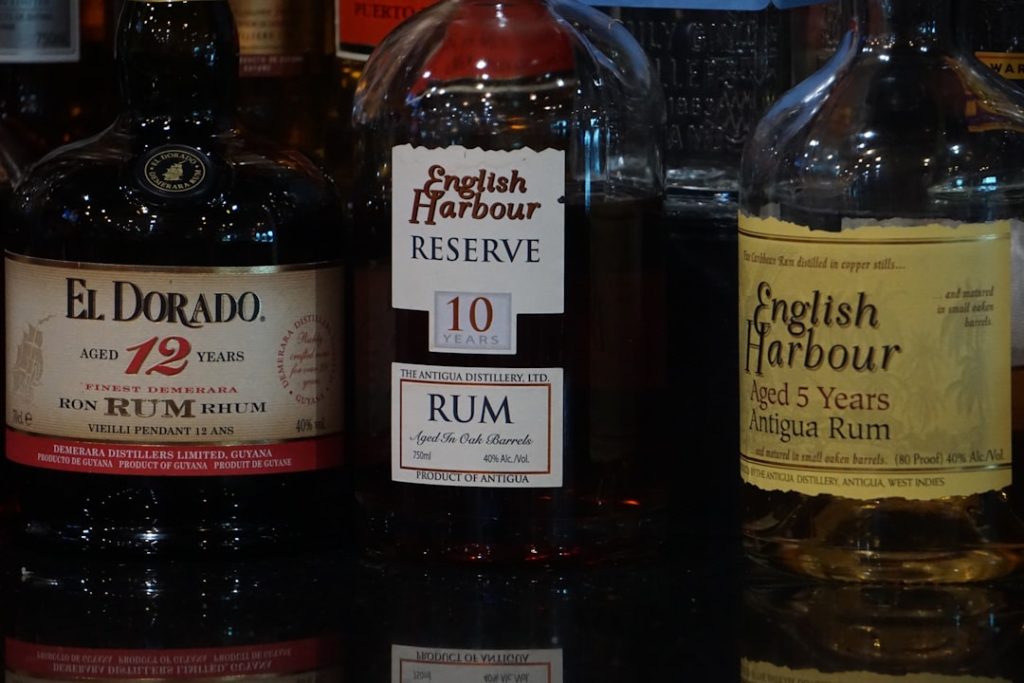
The rum market is a vibrant and dynamic segment of the global spirits industry, characterized by a rich history and a diverse range of products. Originating from the Caribbean, rum has evolved into a worldwide phenomenon, with production extending to various countries, including the United States, Brazil, and even parts of Europe. The industry is marked by a variety of styles, including light rums, dark rums, spiced rums, and premium aged rums, each catering to different consumer preferences and occasions.
According to market research, the global rum market was valued at approximately $12 billion in 2020 and is projected to grow at a compound annual growth rate (CAGR) of around 5% over the next several years. This growth is driven by increasing consumer interest in premium spirits and craft cocktails, as well as the rising popularity of rum-based drinks. The rum market is not only defined by its diverse product offerings but also by its unique production methods.

The spirit is typically made from sugarcane juice or molasses, which undergo fermentation and distillation processes. The aging process, often conducted in oak barrels, adds complexity and depth to the flavor profile of the final product. This artisanal approach has led to a resurgence in interest in craft rum brands, which emphasize quality and authenticity over mass production.
As consumers become more discerning about their beverage choices, the demand for high-quality rum continues to rise, creating opportunities for both established brands and new entrants in the market.
Key Takeaways
- The rum market is a growing industry with increasing global demand and diverse consumer appeal.
- Investing in rum stocks offers potential due to the spirit’s rising popularity and premiumization trends.
- Key investment factors include brand strength, market share, and innovation within rum companies.
- Top rum brands show varied performance, highlighting the importance of careful company analysis.
- Investors should be aware of risks like market volatility, regulatory changes, and competition in the rum sector.

The Appeal of Rum: Why Investing in the Spirit Market Makes Sense
Investing in the spirit market, particularly in rum, presents a compelling opportunity for several reasons. First and foremost, the growing trend toward premiumization in the beverage industry has led to an increased demand for high-quality spirits. Consumers are increasingly willing to pay a premium for artisanal products that offer unique flavors and experiences.
This shift in consumer behavior is particularly evident in the rum category, where premium and super-premium segments are experiencing significant growth. Brands that focus on quality ingredients and traditional production methods are well-positioned to capitalize on this trend. Moreover, rum’s versatility as a base for cocktails enhances its appeal among consumers.
Classic cocktails like the Mojito, Daiquiri, and Pina Colada have solidified rum’s place in popular culture, while innovative mixologists continue to create new concoctions that showcase the spirit’s diverse flavor profiles. This versatility not only drives sales in bars and restaurants but also encourages home bartenders to experiment with rum in their own creations. As cocktail culture continues to thrive, the demand for rum is likely to remain strong, making it an attractive investment opportunity.
Key Factors to Consider When Investing in Rum Stocks

When considering investments in rum stocks, several key factors should be taken into account to make informed decisions. One of the most critical aspects is understanding the brand’s positioning within the market. Established brands with a strong heritage and loyal customer base often have a competitive advantage over newer entrants.
For instance, brands like Bacardi and Captain Morgan have built significant market share through effective marketing strategies and consistent product quality. Investors should evaluate how well a brand resonates with consumers and its ability to adapt to changing market trends. Another important factor is the geographical distribution of sales.
The rum market is influenced by regional preferences and consumption patterns. For example, while Caribbean countries have traditionally been strong markets for rum consumption, emerging markets in Asia and Africa are showing increasing interest in spirits overall. Companies that have a diversified global presence may be better positioned to capitalize on growth opportunities in these regions.
Additionally, understanding regulatory environments and import/export dynamics can provide insights into potential challenges or advantages for specific brands.
Analyzing the Performance of Top Rum Brands: Which Companies to Watch
Several key players dominate the rum market, each with unique strengths that make them worthy of investor attention. Bacardi Limited stands out as one of the largest privately held spirits companies globally, with a portfolio that includes iconic brands such as Bacardi Superior and Bacardi Oakheart. The company’s commitment to innovation and sustainability has helped it maintain its leadership position while appealing to environmentally conscious consumers.
Bacardi’s strategic marketing campaigns have also successfully targeted younger demographics, ensuring its relevance in an evolving market. Another notable brand is Diageo’s Captain Morgan, which has consistently ranked among the top-selling rums worldwide. The brand’s success can be attributed to its strong marketing initiatives and its ability to connect with consumers through engaging storytelling.
Captain Morgan’s focus on lifestyle branding has resonated particularly well with younger drinkers, making it a staple in bars and homes alike. Investors should keep an eye on how these brands adapt their strategies to meet changing consumer preferences while maintaining their market share.
Risks and Challenges of Investing in the Rum Market
| Metric | Value | Unit | Notes |
|---|---|---|---|
| Global Rum Production | 8.5 | billion liters/year | Estimated annual global production |
| Top Producing Country | India | – | Largest rum producer by volume |
| Average Alcohol Content | 40 | % ABV | Standard bottling strength |
| Global Rum Market Size | 12.3 | billion liters | Estimated stock in global market |
| Annual Growth Rate | 3.5 | % | Year-over-year market growth |
| Average Aging Time | 3 | years | Typical aging period for premium rum |
While investing in the rum market presents numerous opportunities, it is not without its risks and challenges. One significant concern is the volatility of raw material prices, particularly sugarcane and molasses. Fluctuations in agricultural yields due to climate change or adverse weather conditions can impact production costs and ultimately affect profit margins for rum producers.
Investors must consider how well companies can manage these risks through effective supply chain management and pricing strategies. Additionally, regulatory challenges can pose risks for companies operating in the spirits industry. Different countries have varying regulations regarding alcohol production, distribution, and marketing.
Changes in tax policies or import/export restrictions can significantly impact profitability for rum brands that rely on international markets. Investors should stay informed about regulatory developments that could affect their investments and assess how well companies are positioned to navigate these challenges.
The Future of Rum: Trends and Opportunities for Investors

The future of the rum market appears promising, with several trends indicating potential growth opportunities for investors. One notable trend is the increasing interest in craft spirits and small-batch production. As consumers seek authenticity and unique flavor experiences, craft rum brands are gaining traction.
These brands often emphasize traditional production methods and local sourcing of ingredients, appealing to consumers’ desire for transparency and quality. Investors who identify emerging craft brands with strong growth potential may find lucrative opportunities. Another trend shaping the future of rum is the rise of health-conscious drinking habits.
As consumers become more aware of their health and wellness, there is a growing demand for lower-calorie and lower-sugar options within the spirits category. Brands that innovate by offering healthier alternatives or incorporating natural ingredients into their products may capture a share of this expanding market segment. Additionally, sustainable practices in production and packaging are becoming increasingly important to consumers, creating opportunities for brands that prioritize environmental responsibility.
Expert Tips for Investing in Rum Stocks
For those looking to invest in rum stocks successfully, several expert tips can guide decision-making processes. First, conducting thorough research on individual companies is essential. This includes analyzing financial performance metrics such as revenue growth, profit margins, and market share trends.
Understanding a company’s competitive positioning within the industry can provide valuable insights into its long-term viability. Networking within industry circles can also yield valuable information about emerging trends and potential investment opportunities. Engaging with industry experts through conferences or online forums can help investors stay informed about shifts in consumer preferences or regulatory changes that may impact their investments.
Additionally, considering diversification within the spirits sector can mitigate risks associated with individual brand performance.
Diversifying Your Portfolio: Incorporating Rum Stocks into Your Investment Strategy
Incorporating rum stocks into an investment portfolio can enhance diversification while tapping into a growing segment of the spirits market. By balancing investments across various sectors within the beverage industry—such as beer, wine, and spirits—investors can reduce exposure to volatility associated with any single category. Rum stocks can serve as a hedge against economic downturns since alcohol consumption tends to remain stable even during challenging times.
Furthermore, investors should consider blending their investments in established brands with emerging craft distilleries to capture both stability and growth potential. This strategy allows investors to benefit from the reliability of well-known companies while also taking advantage of innovative newcomers that may disrupt traditional market dynamics. By carefully selecting a mix of investments within the rum sector, investors can create a robust portfolio that aligns with their financial goals while capitalizing on the evolving landscape of consumer preferences in the spirits industry.