

Amazon Warehouse Returns refer to items that have been returned by customers but are still in a condition suitable for resale. These products can range from open-box items to those that have been slightly used or even damaged during shipping. The returns can include a wide variety of categories, such as electronics, home goods, clothing, and more.
Amazon categorizes these items under “Amazon Warehouse,” where they are sold at discounted prices compared to their original retail value. The appeal of these returns lies in the potential for significant savings, making them attractive to bargain hunters and savvy shoppers alike. The reasons for returns can vary widely.

Customers may return items because they no longer want them, received the wrong item, or found a defect. In some cases, products may have been opened but never used, while others might show signs of wear. Amazon inspects these returns and grades them based on their condition, which helps buyers understand what they are purchasing.
This grading system is crucial for transparency, as it allows customers to make informed decisions about the quality of the items they are considering.
Key Takeaways
- Amazon Warehouse Returns are products returned by customers, inspected, and resold at discounted prices.
- These items can range from like-new to slightly used, offering significant savings on various products.
- Shoppers can find deals on electronics, home goods, and more, often at reduced prices compared to new items.
- It’s important to check product condition, return policies, and seller ratings before purchasing.
- Navigating the Warehouse section and using filters can help maximize savings and find the best deals.

How do Amazon Warehouse Returns end up for sale?
The process of how Amazon Warehouse Returns make their way to the sales floor is quite systematic. When a customer returns an item, Amazon evaluates it to determine its condition. This evaluation includes checking for functionality, assessing cosmetic damage, and ensuring that all original accessories are included.
Based on this assessment, the item is assigned a grade—ranging from “Like New” to “Acceptable.” Each grade reflects the item’s condition and helps set the price accordingly. Once graded, these items are listed on the Amazon Warehouse section of the website. They are often sold at a significant discount compared to their new counterparts.
This pricing strategy not only helps Amazon clear out returned inventory but also provides customers with an opportunity to purchase quality products at lower prices. The entire process is designed to be efficient, allowing Amazon to manage returns effectively while still offering value to consumers. Additionally, this system helps reduce waste by giving returned items a second chance at being sold rather than ending up in landfills.
What kind of deals can you find on Amazon Warehouse Returns?
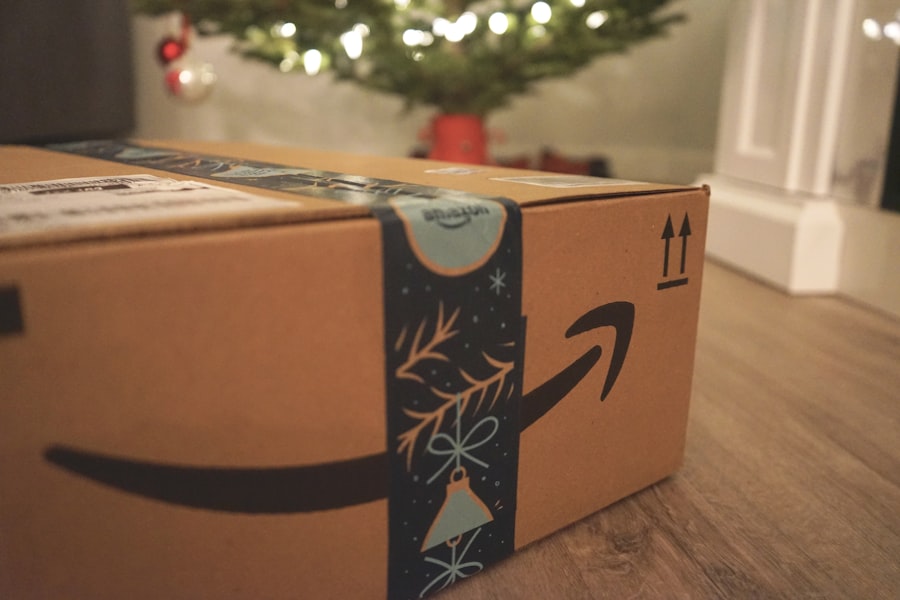
The types of deals available through Amazon Warehouse Returns can be quite diverse, appealing to a wide range of shoppers. For instance, electronics often feature prominently in this category. Shoppers might find discounted laptops, tablets, or smart home devices that have been returned due to minor issues or simply because the customer changed their mind.
These items can be a great way to acquire high-quality technology at a fraction of the retail price. In addition to electronics, home goods such as kitchen appliances, furniture, and decor items are frequently available as warehouse returns. For example, a high-end blender that was returned because it was the wrong color could be sold at a significant discount.
Clothing and footwear also make up a substantial portion of warehouse returns; items that were tried on but not worn can often be found in excellent condition. The variety of products available means that shoppers can often find exactly what they need while enjoying considerable savings.
Are Amazon Warehouse Returns worth the purchase?
Determining whether Amazon Warehouse Returns are worth the purchase largely depends on individual preferences and risk tolerance. For many consumers, the potential for substantial savings makes these items highly appealing. However, it is essential to consider the condition of the product and whether it meets personal expectations.
While many items are in excellent shape, there is always a chance of receiving something that does not meet one’s standards. Moreover, purchasing from Amazon Warehouse Returns can be an excellent way to try out new products without committing to full price. For instance, someone interested in a particular kitchen gadget might opt for a warehouse return version to test its functionality before investing in a brand-new model.
However, buyers should be aware that some items may not come with the same warranty or return policy as new products, which could pose a risk if the item turns out to be defective or unsatisfactory.
Tips for shopping Amazon Warehouse Returns
| Category | Average Condition | Typical Discount | Return Rate | Common Issues | Resale Platforms |
|---|---|---|---|---|---|
| Electronics | Used – Good | 20-40% | 15% | Cosmetic damage, missing accessories | Amazon Warehouse, eBay, Swappa |
| Home & Kitchen | Used – Like New | 10-30% | 10% | Packaging damage, minor scratches | Amazon Warehouse, Facebook Marketplace |
| Clothing & Accessories | Used – Acceptable to Like New | 30-50% | 25% | Missing tags, slight wear | Amazon Warehouse, Poshmark, eBay |
| Books | Used – Good | 15-35% | 5% | Highlighting, minor cover damage | Amazon Warehouse, eBay |
| Toys & Games | Used – Good | 20-40% | 12% | Missing pieces, packaging damage | Amazon Warehouse, eBay |
When shopping for Amazon Warehouse Returns, there are several strategies that can enhance the experience and increase the likelihood of finding great deals. First and foremost, it is crucial to familiarize oneself with the grading system used by Amazon. Understanding what “Like New,” “Very Good,” “Good,” and “Acceptable” mean will help shoppers set realistic expectations regarding the condition of the items they are considering.
Another useful tip is to act quickly when spotting a desirable item. Since warehouse returns are often limited in quantity and can sell out fast, being proactive can make a significant difference. Setting up alerts for specific products or categories can help ensure that you don’t miss out on great deals.
Additionally, reading customer reviews and checking product ratings can provide valuable insights into the quality and performance of returned items.
How to navigate the Amazon Warehouse Returns section

Navigating the Amazon Warehouse Returns section is relatively straightforward but requires some familiarity with the platform’s layout. To access this section, users can simply search for “Amazon Warehouse” in the search bar or navigate through the main menu under “Deals.” Once in the warehouse section, shoppers can filter results based on categories such as electronics, home goods, or clothing. The filtering options allow users to sort by price range, condition, and customer ratings, making it easier to find specific items that meet their needs.
Additionally, shoppers can view detailed descriptions and images of each product, which can help assess its condition before making a purchase. Utilizing these navigation tools effectively can lead to discovering hidden gems among the warehouse returns.
What to look out for when purchasing Amazon Warehouse Returns
While shopping for Amazon Warehouse Returns can yield fantastic deals, there are several factors to consider before finalizing a purchase. One critical aspect is the return policy associated with warehouse items. Unlike new products that typically come with standard return policies, some warehouse returns may have different terms or may not be eligible for returns at all.
It is essential to read the fine print carefully before committing to a purchase. Another important consideration is warranty coverage. Many warehouse return items may not come with manufacturer warranties or may have limited coverage due to their status as returned goods.
Buyers should check whether any warranty applies and what it covers before making a decision. Additionally, inspecting product details such as included accessories and original packaging can provide further insight into what one is buying.
How to make the most of Amazon Warehouse Returns
To maximize the benefits of shopping through Amazon Warehouse Returns, consumers should adopt a strategic approach. One effective method is to create a wishlist of desired items and regularly check back for updates on availability and pricing changes. This proactive approach allows shoppers to stay informed about new arrivals and potential discounts on previously listed products.
Furthermore, taking advantage of seasonal sales events or special promotions can lead to even greater savings on warehouse returns. During events like Prime Day or Black Friday, many retailers—including Amazon—offer additional discounts on already reduced prices. By timing purchases strategically and remaining vigilant about inventory changes, shoppers can enhance their chances of scoring exceptional deals on quality products through Amazon Warehouse Returns.


