

Fulfillment by Amazon (FBA) wholesale is a business model that allows sellers to leverage Amazon’s vast logistics network while selling products sourced from wholesale suppliers. In this model, sellers purchase products in bulk from manufacturers or distributors at a lower price and then list these products on Amazon. When a customer places an order, Amazon handles the storage, packaging, and shipping of the products directly to the customer.
This arrangement not only simplifies the logistics for sellers but also provides them with access to Amazon’s extensive customer base. The FBA wholesale model operates on a straightforward premise: buy low, sell high. Sellers must conduct thorough market research to identify products that have a high demand and low competition.

Once they find suitable products, they negotiate with suppliers to secure favorable pricing. After acquiring the inventory, sellers send their products to Amazon’s fulfillment centers. The key advantage of using FBA is that it allows sellers to focus on scaling their business rather than getting bogged down in the complexities of order fulfillment and customer service.
With Amazon handling these aspects, sellers can concentrate on sourcing new products and optimizing their listings for better visibility.
Key Takeaways
- FBA Wholesale involves buying products in bulk from suppliers and selling them on Amazon using Amazon’s fulfillment services.
- Identifying profitable wholesale products requires market research and analyzing competition on Amazon.
- Building strong relationships with reliable wholesale suppliers is crucial for consistent inventory and better pricing.
- Optimizing product listings with keywords, images, and descriptions enhances visibility and boosts sales.
- Effective inventory management and scaling strategies are key to sustaining and growing an FBA Wholesale business.

Finding Profitable Wholesale Products to Sell on Amazon
Identifying profitable wholesale products is a critical step in establishing a successful FBA wholesale business. Sellers often begin by conducting market research using tools like Jungle Scout, Helium 10, or AMZScout, which provide insights into product demand, sales volume, and competition levels. These tools can help sellers analyze trends and identify niches that are ripe for entry.
For instance, a seller might discover that eco-friendly kitchen products are gaining popularity, prompting them to explore suppliers who offer such items at competitive prices. Another effective strategy for finding profitable products is to analyze Amazon’s Best Sellers Rank (BSR). Products with a low BSR typically indicate high sales velocity, making them attractive options for wholesale sourcing.
Additionally, sellers should consider seasonal trends and consumer behavior patterns. For example, outdoor gear may see increased sales during the summer months, while holiday-themed items may spike in demand during the winter season. By staying attuned to these trends and leveraging data analytics tools, sellers can make informed decisions about which products to pursue.
Building Relationships with Wholesale Suppliers

Establishing strong relationships with wholesale suppliers is essential for long-term success in the FBA wholesale business. A reliable supplier can provide consistent product quality, favorable pricing, and timely delivery, all of which are crucial for maintaining a competitive edge on Amazon. Sellers should begin by reaching out to potential suppliers through trade shows, online directories like Alibaba or ThomasNet, or industry-specific forums.
When contacting suppliers, it’s important to present oneself professionally and clearly articulate the intent to establish a mutually beneficial partnership. Once initial contact is made, sellers should engage in open communication with suppliers to build trust and rapport. This can involve negotiating terms of sale, discussing minimum order quantities (MOQs), and understanding the supplier’s production capabilities.
Regular follow-ups and feedback can help strengthen these relationships over time. Additionally, attending industry events or trade shows can provide opportunities for face-to-face interactions, further solidifying partnerships. A strong relationship with suppliers not only ensures a steady supply of products but can also lead to exclusive deals or early access to new product lines.
Setting Up Your FBA Wholesale Business on Amazon
Setting up an FBA wholesale business on Amazon involves several key steps that require careful planning and execution. First, sellers need to create an Amazon Seller Central account if they do not already have one. This account serves as the hub for managing product listings, orders, and customer interactions.
Once the account is established, sellers can begin listing their wholesale products by providing detailed descriptions, high-quality images, and competitive pricing. When creating product listings, it’s crucial to optimize them for search visibility on Amazon. This includes using relevant keywords in titles and descriptions that potential customers are likely to search for.
Sellers should also consider utilizing Amazon’s Enhanced Brand Content (EBC) or A+ Content features if they are brand registered, as these tools allow for richer product descriptions that can enhance conversion rates. Additionally, setting up effective inventory management practices from the outset will help ensure that stock levels are maintained without overextending financially.
Optimizing Your FBA Wholesale Listings for Maximum Sales
| Metric | Description | Typical Range | Notes |
|---|---|---|---|
| Average Profit Margin | Percentage of profit after all costs | 10% – 30% | Varies by product category and sourcing efficiency |
| Initial Investment | Capital required to start inventory purchase | 1,000 – 10,000 | Depends on scale and product cost |
| Inventory Turnover Rate | Number of times inventory is sold and replaced per year | 4 – 12 times | Higher turnover indicates faster sales |
| Amazon FBA Fees | Fees charged by Amazon for fulfillment and storage | 10% – 20% of sale price | Includes referral, fulfillment, and storage fees |
| Average Selling Price | Typical price point for wholesale products | 15 – 100 | Depends on product category and brand |
| Return Rate | Percentage of products returned by customers | 2% – 5% | Lower return rates improve profitability |
| Lead Time | Time from order to inventory arrival at Amazon warehouse | 7 – 30 days | Depends on supplier location and shipping method |
To maximize sales through FBA wholesale listings, optimization is key. This process begins with keyword research to identify terms that potential buyers are using when searching for products similar to those being sold. Tools like Helium 10’s Magnet or Keyword Tracker can assist in uncovering high-traffic keywords that should be incorporated into product titles and descriptions.
A well-optimized listing not only improves visibility but also enhances the likelihood of conversion when customers land on the page. Beyond keywords, high-quality images play a significant role in attracting buyers. Listings should feature multiple images showcasing the product from various angles, including lifestyle images that demonstrate the product in use.
Additionally, incorporating customer reviews and ratings into the listing can build trust and credibility with potential buyers. Sellers should actively encourage satisfied customers to leave positive feedback after their purchase, as this social proof can significantly influence purchasing decisions.
Managing Inventory and Fulfillment with FBA Wholesale
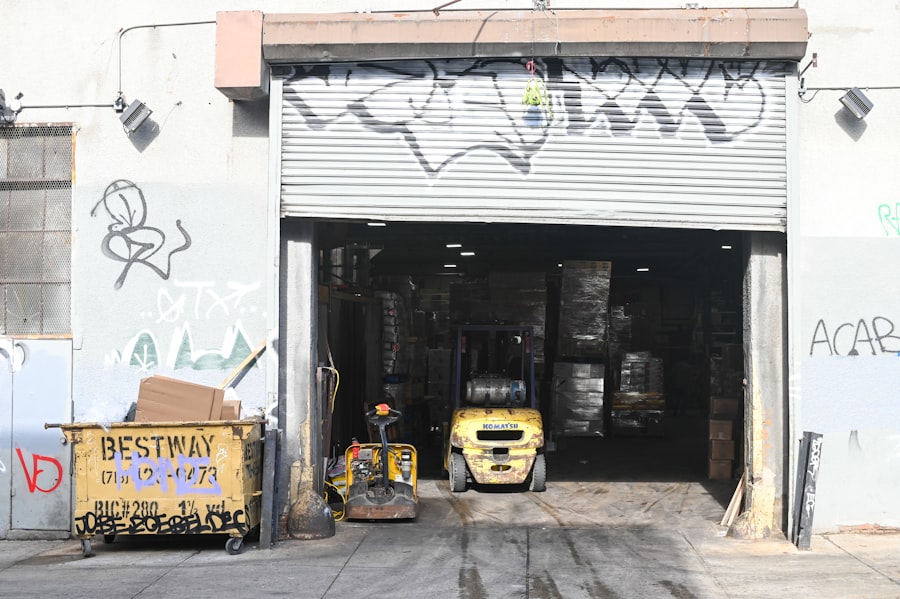
Effective inventory management is crucial for maintaining a successful FBA wholesale business. Sellers must keep track of stock levels to avoid running out of popular items or overstocking less popular ones. Amazon provides tools within Seller Central that allow sellers to monitor inventory levels in real-time and set alerts for low stock situations.
Implementing a robust inventory management system can help streamline this process and ensure that sellers are always prepared to meet customer demand. Fulfillment through FBA also requires careful planning regarding shipping and storage costs. Sellers need to be aware of Amazon’s fees associated with storage and fulfillment services, as these can impact overall profitability.
It’s advisable to regularly review sales data and adjust inventory shipments accordingly to optimize storage costs while ensuring that popular items remain readily available for customers. By maintaining a balance between supply and demand, sellers can enhance their operational efficiency and improve their bottom line.
Scaling Your FBA Wholesale Business for Long-Term Success
Scaling an FBA wholesale business involves strategic planning and execution across various facets of operations. One effective approach is diversifying product offerings by exploring new niches or categories based on market trends and consumer preferences. This not only mitigates risk but also opens up additional revenue streams.
For instance, if a seller has found success with kitchen gadgets, they might consider branching out into home organization products or eco-friendly alternatives. Another critical aspect of scaling is leveraging data analytics to inform decision-making processes. By analyzing sales trends, customer feedback, and competitor performance, sellers can identify areas for improvement and growth opportunities.
Investing in marketing strategies such as Amazon PPC (Pay-Per-Click) advertising can also drive traffic to listings and increase visibility among potential buyers. As the business grows, it may become necessary to hire additional staff or outsource certain tasks such as customer service or inventory management to maintain efficiency.
Overcoming Challenges and Maximizing Profits with FBA Wholesale
While the FBA wholesale model offers numerous advantages, it is not without its challenges. One common hurdle is navigating Amazon’s ever-changing policies and algorithms that can impact product visibility and sales performance. Sellers must stay informed about updates to Amazon’s terms of service and adapt their strategies accordingly to remain compliant while maximizing their listings’ effectiveness.
Additionally, competition within the FBA wholesale space can be fierce, requiring sellers to continuously innovate and differentiate their offerings. This could involve enhancing product quality through better sourcing practices or developing unique branding strategies that resonate with target audiences. To maximize profits, sellers should regularly review their pricing strategies in relation to competitors while ensuring they maintain healthy profit margins after accounting for all associated costs.
By addressing these challenges head-on and implementing proactive strategies for growth and optimization, sellers can position themselves for long-term success in the dynamic world of FBA wholesale on Amazon.


